
Pipo Pixel: What 145 KDP Books Reveal About Sales
Pipo Pixel has 145 KDP books, 87 appearing on Best Sellers lists. See estimated earnings, pricing, release patterns and lessons for independent publishers.
Pipo Pixel has built a substantial independent publishing catalog around one clear product family: color-by-number and mosaic coloring books. Of 145 tracked books, 87 appeared on Amazon Best Sellers lists during the last 30 days. The catalog also recorded 17 breakouts during that period. For publishers considering adult coloring books, the useful finding is the combination of a recognizable format, multiple themed series and frequent releases, rather than evidence that one individual title carries the business.
KDPTop estimates 292 monthly units and $3,232 in monthly revenue across the catalog. Those figures are modelled from Amazon Best Sellers Rank, not reported sales or verified royalty payments. They offer a useful view of relative commercial activity, but they cannot establish Pipo Pixel's actual income, production costs or profit. The catalog does, however, provide a practical example of how an independent publisher can build a publishing operation around repeatable creative formats.
A 145-book catalog with broad Best Sellers visibility
Pipo Pixel has 145 tracked books, all classified as independently published through KDP. During the last 30 days, 87 appeared on Amazon Best Sellers lists. The best recorded list position was rank 9. That is a substantial amount of catalog visibility for one author name, particularly when the books share recognizable formats and subject matter.
The 87 titles represent roughly three-fifths of the tracked catalog. That matters because the publishing strategy does not appear to depend entirely on one successful release. Multiple books have found category-level visibility, giving the catalog several potential sources of ongoing sales. For another publisher, this suggests a reason to think in terms of a product range rather than treating every book as a separate experiment.
There is a qualification. Appearing on a Best Sellers list does not mean a book is a bestseller across Amazon as a whole. These are category-level rankings, and BSR is a moving measure. A book can enter or leave a list as competing titles sell more or fewer copies. The figures show catalog reach, not a guarantee of sustained demand.
The strongest earners share a recognizable coloring format
Show the data
| Book | Est. monthly revenue |
|---|---|
| 120 BEST Enchanted Halloween Color by… | $117 |
| 185 Color by Number Coloring Book - M… | $117 |
| Wonders of Nature Mystery Mosaic Colo… | $117 |
| Christmas Dogs Mystery Mosaic Color b… | $117 |
| Dot Art Color by Number - Folk Art An… | $104 |
| 120 BEST Vibrant Summer Color by Numb… | $91 |
| Fairy Garden Mystery Mosaic Color by… | $90 |
| Color by Number - Sea Turtle Dreams -… | $90 |
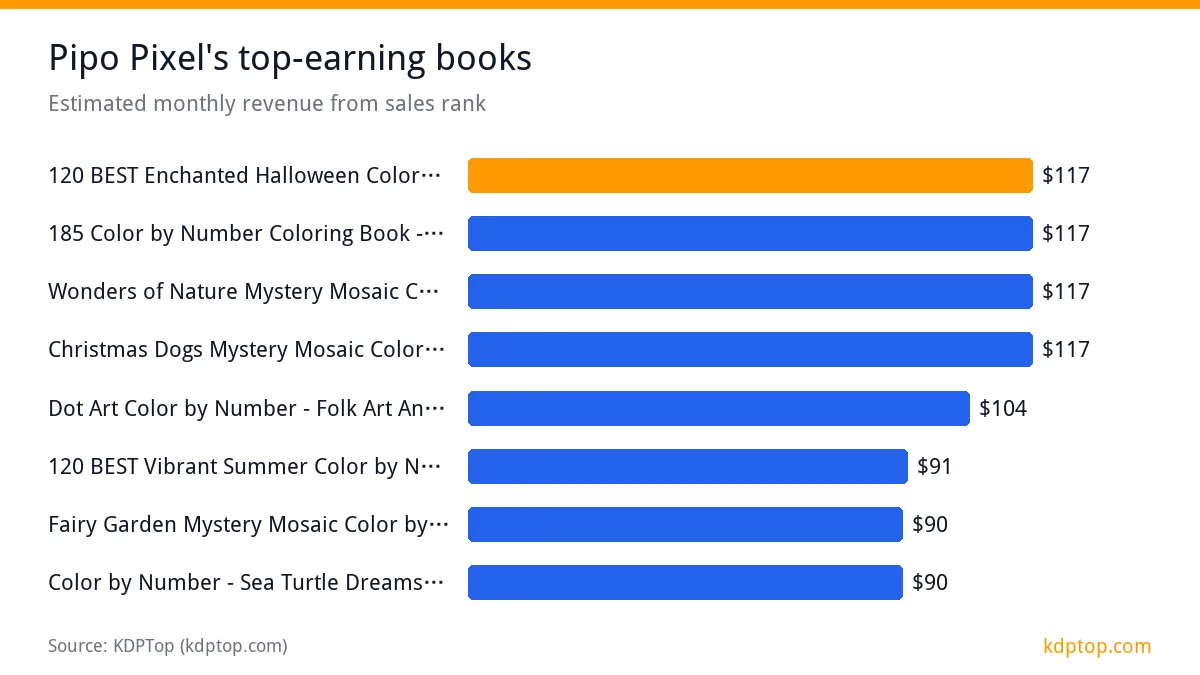
The estimated monthly revenue chart shows a remarkably tight group of leading titles. Four books are estimated at $117 per month each: 120 BEST Enchanted Halloween Color by Number: Mega Halloween Collection Featuring 20 Favorite Books with Haunted Villages, Spooky Creatures, Cute Characters and Halloween Fun by Pipo Pixel; 185 Color by Number Coloring Book - Mega Surprise Mix - Vol. 02: 120 Pixel Art Designs - Discover The Beauty Of Wildlife, Exotic Animals, Colorful Birds, And ... In Nature (Simple 18 - Color Palette); and Christmas Dogs Mystery Mosaic Color by Number Vol. 03: 120 Pixel Art Designs - Adorable Christmas Dogs Surrounded By Festive Holiday Decorations And Magical Winter Scenes (Simple 18 - Color Palette). Dot Art Color by Number - Folk Art Animals - Vol. 02: 100 Dot Art Designs - Rustic Animal Patterns And Floral Beauty is estimated at $104 monthly. Fairy Garden Mystery Mosaic Color by Number: 50 Magical Scenes Unveiling Whimsical Fairy Gardens in Pixel Art and Color by Number - Sea Turtle Dreams - Mystery Mosaic Coloring Book - Vol. 18: 20 Pixel Art Designs - Tropical Ocean Turtles And Coastal Wonders (Premium Print: Mystery Mosaic) are each estimated at $90. The common thread is not simply coloring. These books use a clear subject, a defined visual treatment and, in several cases, a numbered volume or collection format. Seasonal subjects such as Halloween and Christmas sit alongside evergreen themes such as nature, animals and fairy gardens. That gives a publisher several possible directions for a catalog without requiring an entirely different production format for each release. The individual estimates are modest compared with the catalog-wide revenue estimate. That is worth noticing. The leading books each contribute an estimated $90 to $117 per month, while the catalog estimate is $3,232. The business case therefore appears to rest on cumulative catalog activity, not a single title generating most of the estimated revenue. These figures are estimates from sales rank and should not be treated as verified earnings.
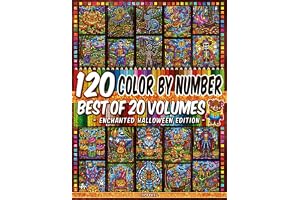
120 BEST Enchanted Halloween Color by Number: Mega Halloween Collection Featuring 20 Favorite Books with Haunted Villages, Spooky Creatures, Cute Characters and Halloween Fun by Pipo Pixel
by Pipo Pixel
- Price$12.99
- Reviews2
- BSR#152,489
- Est. revenue/mo$117
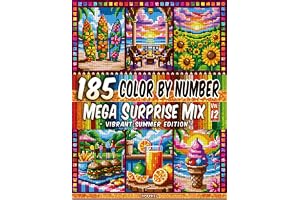
185 Color by Number Coloring Book - Mega Surprise Mix - Vol. 12: 185 Pixel Art Designs - Inspired by 20 Vibrant Summer Edition Volumes
by Pipo Pixel
- Price$12.99
- Reviews12
- BSR#187,098
- Est. revenue/mo$117
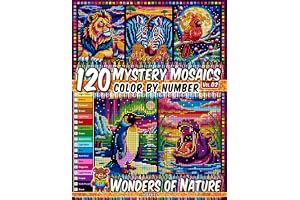
Wonders of Nature Mystery Mosaic Color by Number Vol. 02: 120 Pixel Art Designs - Discover The Beauty Of Wildlife, Exotic Animals, Colorful Birds, And ... In Nature (Simple 18 - Color Palette)
by Pipo Pixel
- Price$12.99
- Reviews-
- BSR#220,097
- Est. revenue/mo$117
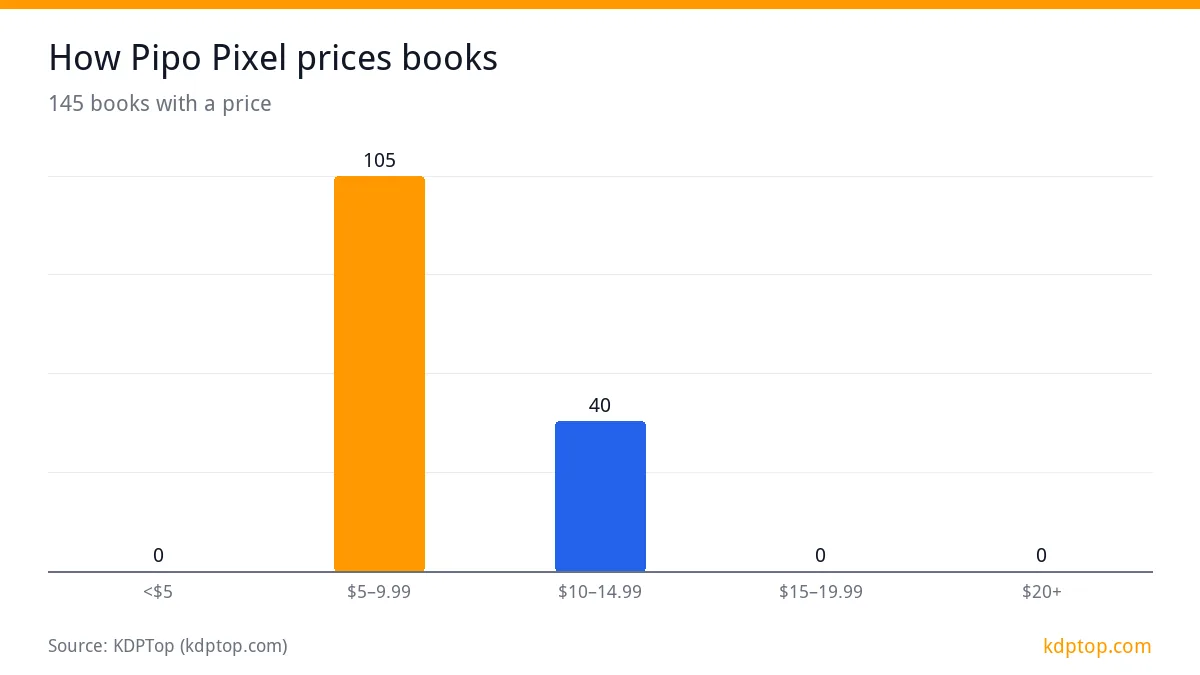
A concentrated pricing strategy around $9.99 and $12.99
Show the data
| Price range | Books |
|---|---|
| <$5 | 0 |
| $5–9.99 | 105 |
| $10–14.99 | 40 |
| $15–19.99 | 0 |
| $20+ | 0 |
Pipo Pixel's pricing is concentrated in a relatively narrow range. All 145 books with recorded prices fall into either the $5–9.99 bracket or the $10–14.99 bracket. There are 105 books in the lower bracket and 40 in the higher one. None appear in the other price ranges shown in the chart.
The median price is $9.99. The lower quartile is also $9.99, while the upper quartile is $12.99. In practical terms, the catalog is not built around bargain-priced books or expensive premium products. It sits mainly in the familiar paperback coloring-book price range, with a meaningful group positioned at $12.99.
The leading titles illustrate this approach. Several of the estimated top earners sell for $12.99, including 120 BEST Enchanted Halloween Color by Number and Wonders of Nature Mystery Mosaic Color by Number Vol. 02. Fairy Garden Mystery Mosaic Color by Number: 50 Magical Scenes Unveiling Whimsical Fairy Gardens in Pixel Art is priced at $9.99 and has an estimated monthly revenue of $90.
For publishers planning a similar category, the lesson is to connect price with the actual product. Page count, interior complexity, print costs and perceived value all matter. A larger collection may support a different price from a shorter themed book, but a higher list price does not automatically produce higher revenue. The available figures cannot establish conversion rates or profit margins. They show where Pipo Pixel has positioned the catalog, not whether every price point is optimal.
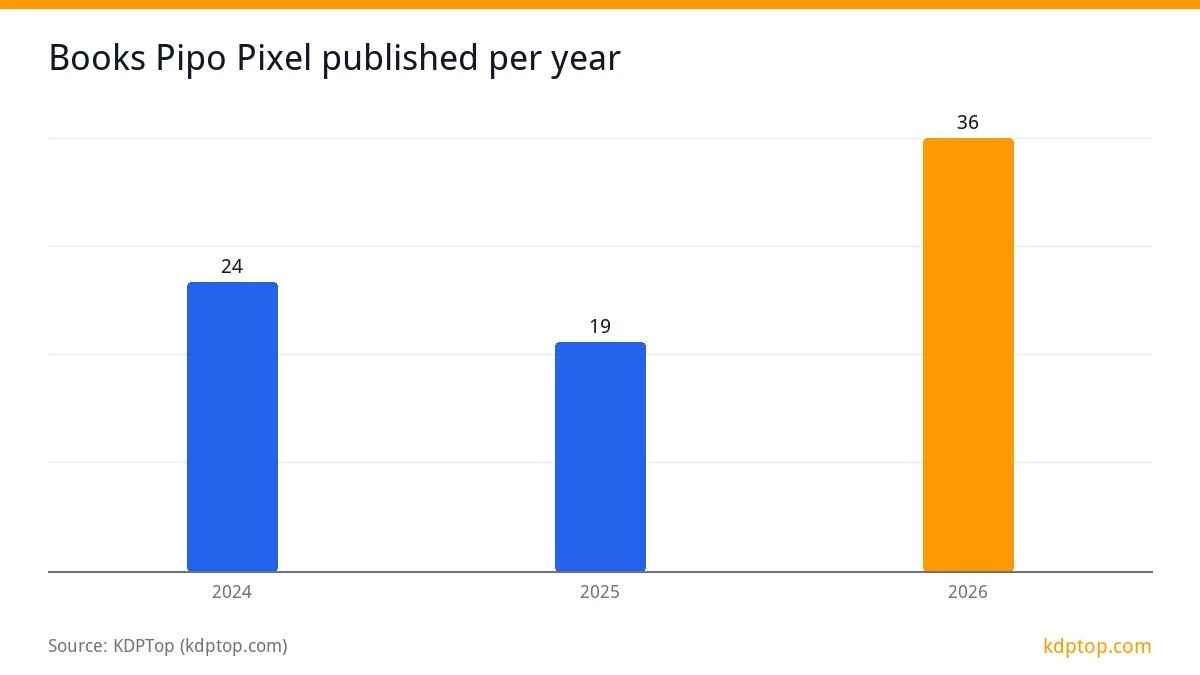
Release activity points to a repeatable publishing system
Show the data
| Year | Books |
|---|---|
| 2024 | 24 |
| 2025 | 19 |
| 2026 | 36 |
The release chart records 24 books in 2024, 19 in 2025 and 36 in 2026. The latest release date in the tracked data is 2026-10-09, while the first is 2024-08-10. These figures show publishing activity across three calendar years, with 2026 recording the highest number of releases in the chart.
The recent activity is particularly notable. Pipo Pixel published 28 new books during the last 30 days and recorded 17 breakouts during that period. A breakout has a specific meaning here: a new book appearing on a New Releases list within the last 60 days that reached a Best Sellers list. It is not simply a book with a high sales estimate or a title that has received positive reviews.
That relationship between releases and list visibility deserves attention. A regular publishing schedule creates more opportunities for individual books to find readers. It also allows a publisher to develop related themes, formats and numbered volumes. Pipo Pixel's catalog includes mystery mosaics, dot art, seasonal collections and nature-focused coloring books. Those are recognizable product families rather than unrelated publishing projects.
There is a limit to what the release numbers prove. They do not reveal how long each book took to create, whether production was outsourced, or how much advertising supported individual launches. Nor do they establish that releasing more books automatically improves results. For a smaller publisher, the practical takeaway is to build a manageable production process first. A schedule that produces consistent, usable interiors is more valuable than a high release target that compromises quality.
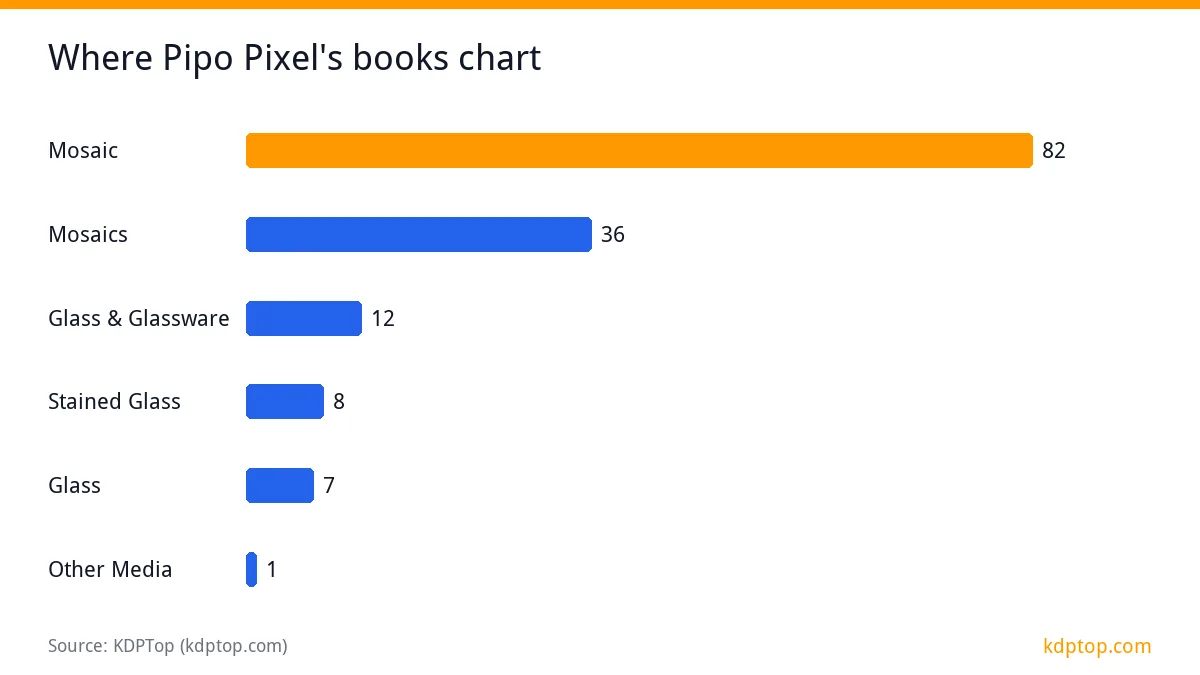
Mosaic and Mosaics dominate category visibility
Show the data
| Category | Books on its lists |
|---|---|
| Mosaic | 82 |
| Mosaics | 36 |
| Glass & Glassware | 12 |
| Stained Glass | 8 |
| Glass | 7 |
| Other Media | 1 |
Pipo Pixel's category distribution is heavily concentrated in Mosaic and Mosaics. Mosaic accounts for 82 recorded appearances, while Mosaics accounts for 36. The remaining chart entries are Glass & Glassware with 12, Stained Glass with 8, Glass with 7 and Other Media with 1.
This is useful information for publishers researching adult coloring books because it shows where this catalog has established category visibility. The books are not relying solely on the broad coloring-book label. Their pixel-art and mosaic presentation connects them with a more specific group of categories, including those associated with glass art and visual patterns.
The distinction between Mosaic and Mosaics also deserves attention. Category names can be closely related without representing identical browsing or ranking environments. Publishers should inspect the actual Amazon category options available for their formats and territories instead of assuming that a similar-sounding category will provide the same audience or competition.
KDPTop's category distribution is evidence of where Pipo Pixel's books appear, not proof that every category is equally profitable. The counts do not reveal keyword search volume, advertising competition or the number of customers browsing each category. Still, the concentration suggests that a coherent visual identity and relevant categorization can help a catalog establish a recognizable position. Publishers should investigate the audience behind a category before building a complete series around it.
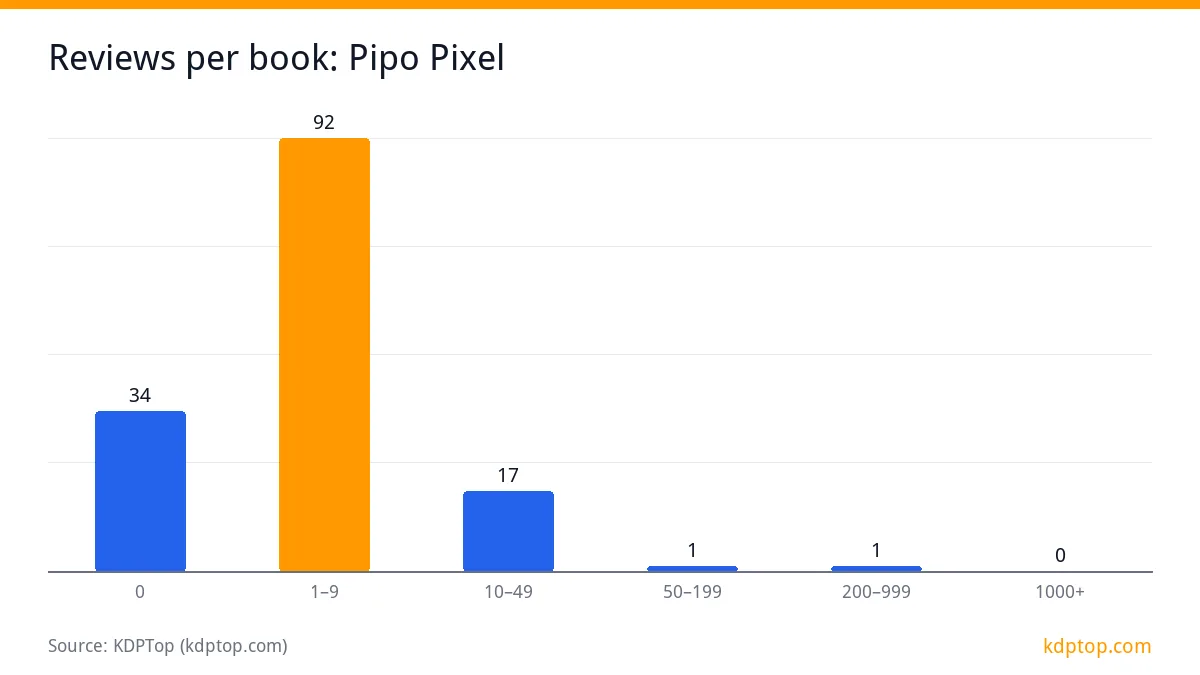
Reviews show a large catalog with uneven social proof
Show the data
| Reviews | Books |
|---|---|
| 0 | 34 |
| 1–9 | 92 |
| 10–49 | 17 |
| 50–199 | 1 |
| 200–999 | 1 |
| 1000+ | 0 |
Pipo Pixel's tracked catalog has 832 reviews in total, an average rating of 4.7 and a median of 4 reviews per book. The median is the more revealing figure for understanding the typical title. The total review count might suggest that most books have accumulated considerable customer feedback, but the distribution says otherwise.
The chart shows 34 books with no reviews and 92 with between 1 and 9 reviews. Another 17 books have between 10 and 49 reviews. One book falls in the 50–199 range, and one falls in the 200–999 range. No books appear in the 1,000-plus range. Most of the catalog therefore has relatively little review activity, despite the strong overall average rating.
Fairy Garden Mystery Mosaic Color by Number: 50 Magical Scenes Unveiling Whimsical Fairy Gardens in Pixel Art is a useful example of a more established title. It has 215 reviews and a 4.4 rating, compared with the 2 reviews and 4.5 rating recorded for 120 BEST Enchanted Halloween Color by Number. Both are among the leading estimated revenue titles, but their review histories are very different.
For publishers, this is a reminder that reviews accumulate over time and are not a direct measure of current monthly sales. A new book can have limited social proof while still generating an estimated number of monthly units. A publisher should focus on accurate descriptions, readable interiors and a product that delivers what its cover promises. Review counts cannot tell us how many customers purchased without leaving feedback, and ratings alone cannot explain why one title sells better than another.
What other KDP publishers can learn from Pipo Pixel
The clearest lesson is catalog consistency. Pipo Pixel has 145 independently published books, with adult coloring as a major product type alongside kids coloring, art and photography, other products and Sudoku and logic. The strongest visible group uses color-by-number and mosaic formats. This gives the author a recognizable publishing identity while leaving room for different themes and audiences.
A publisher entering this market should study the underlying product decisions rather than reproduce individual titles. Halloween collections, Christmas dogs, nature scenes, sea turtles and fairy gardens are examples of specific audience interests. Copying those exact combinations would not establish a defensible catalog. A better approach is to identify a distinct audience, research competing books and develop an original visual concept with a consistent interior standard.
The pricing data also offers a practical starting point for research. Pipo Pixel's $9.99 median and $12.99 upper quartile show a concentrated price range, while the estimated top earners demonstrate that books at both price points can generate activity. A new publisher should calculate printing costs and expected royalties before selecting a price. The sales estimates here cannot substitute for those calculations.
Finally, release frequency should be treated as an operational decision. The 28 new books and 17 breakouts recorded over the last 30 days indicate substantial recent activity, but they do not prove that every new release will succeed. The more useful model is a repeatable process: research a narrow subject, produce a distinctive book, test the presentation, check category fit and build related products only when there is evidence of audience interest. Pipo Pixel offers an example of catalog development, not a guaranteed publishing formula.
Key takeaways
- Study Pipo Pixel's concentration in color-by-number and mosaic formats before choosing a similarly focused adult coloring-book niche.
- Use $9.99 and $12.99 as observed competitor price points for research, not as automatic pricing recommendations.
- Build a connected catalog around original themes instead of relying on one book to generate all your sales.
- Research Mosaic, Mosaics, Glass & Glassware and Stained Glass separately before selecting Amazon categories.
- Treat release frequency and breakout activity as evidence of publishing momentum, not proof that every new title will sell.
Books in this analysis
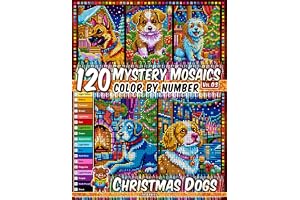
Christmas Dogs Mystery Mosaic Color by Number Vol. 03: 120 Pixel Art Designs - Adorable Christmas Dogs Surrounded By Festive Holiday Decorations And Magical Winter Scenes (Simple 18 - Color Palette)
by Pipo Pixel
- Price$12.99
- Reviews-
- BSR#260,930
- Est. revenue/mo$117
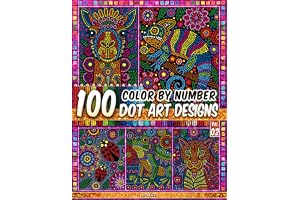
Dot Art Color by Number - Folk Art Animals - Vol. 02: 100 Dot Art Designs - Rustic Animal Patterns And Floral Beauty
by Pipo Pixel
- Price$12.99
- Reviews3
- BSR#343,522
- Est. revenue/mo$104
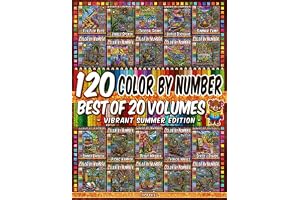
120 BEST Vibrant Summer Color by Number: Mega Summer Collection with Beach Scenes, Tropical Animals, Refreshing Drinks and Outdoor Fun by Pipo Pixel (Compilation Edition)
by Pipo Pixel
- Price$12.99
- Reviews7
- BSR#264,005
- Est. revenue/mo$91

Fairy Garden Mystery Mosaic Color by Number: 50 Magical Scenes Unveiling Whimsical Fairy Gardens in Pixel Art
by Pipo Pixel
- Price$9.99
- Reviews215
- BSR#194,235
- Est. revenue/mo$90
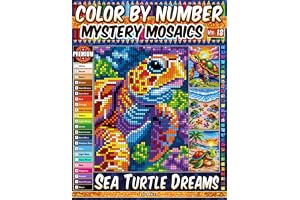
Color by Number - Sea Turtle Dreams - Mystery Mosaic Coloring Book - Vol. 18: 20 Pixel Art Designs - Tropical Ocean Turtles And Coastal Wonders (Premium Print: Mystery Mosaic)
by Pipo Pixel
- Price$9.99
- Reviews2
- BSR#246,354
- Est. revenue/mo$90
FAQ
How many books has Pipo Pixel published on KDP?
KDPTop tracks 145 books by Pipo Pixel, all classified as independently published through KDP. The first recorded release is 2024-08-10, and the latest is 2026-10-09. The catalog includes adult coloring, kids coloring, art and photography, and other formats.
How much does Pipo Pixel earn per month on Amazon KDP?
KDPTop estimates monthly catalog revenue of $3,232 and 292 monthly units from Amazon Best Sellers Rank data. These are modelled estimates, not figures reported by Amazon or verified royalty payments. Actual income after printing costs, advertising and other expenses may differ.
What is the best-selling Pipo Pixel coloring book?
The leading title by the recorded monthly revenue estimate is 120 BEST Enchanted Halloween Color by Number: Mega Halloween Collection Featuring 20 Favorite Books with Haunted Villages, Spooky Creatures, Cute Characters and Halloween Fun by Pipo Pixel. Its estimated monthly revenue is $117, with a recorded BSR of 152489. The estimate does not establish its actual sales or profit.
What can KDP publishers learn from Pipo Pixel's catalog?
The catalog demonstrates the value of a consistent product format, related themes and multiple releases. Pipo Pixel has 87 books appearing on Best Sellers lists during the last 30 days, with Mosaic and Mosaics accounting for the largest category counts. Other publishers can study this structure while developing original subjects, artwork and interiors.
How we got these numbers
Data comes from KDPTop's continuous crawl of Amazon Best Sellers, New Releases, Movers & Shakers and book pages, plus Keepa sales-rank history. Monthly units and revenue are estimated from sales rank (BSR); a single book can be off by ±30%, so use them to compare books, not as exact income. About our data →
Explore KDPTop
Related analysis
-
 Author analysis
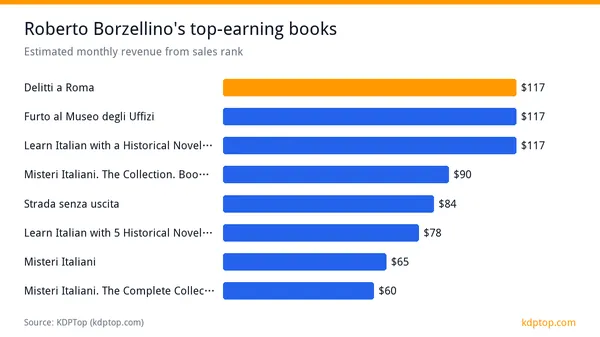
Roberto Borzellino: 139 Books, 23 Breakouts in 30 Days
Roberto Borzellino has 139 tracked KDP books, with 23 breakouts in 30 days. See his pricing, estimated earnings, publishing pace, categories and catalog strategy.
-
 Author analysis
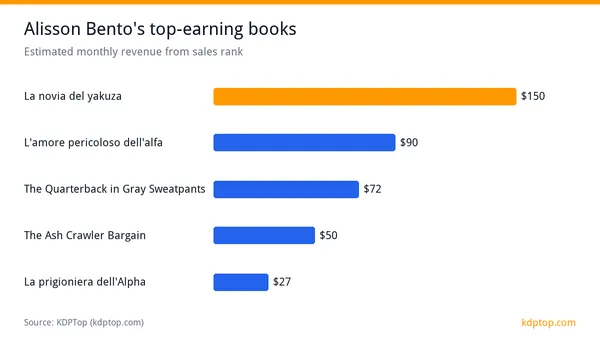
Alisson Bento KDP: Catalog, Pricing and Estimated Earnings
Alisson Bento has 375 tracked KDP books, with estimated monthly revenue of $388. See top earners, pricing, release patterns and category performance.
-
 Author analysis
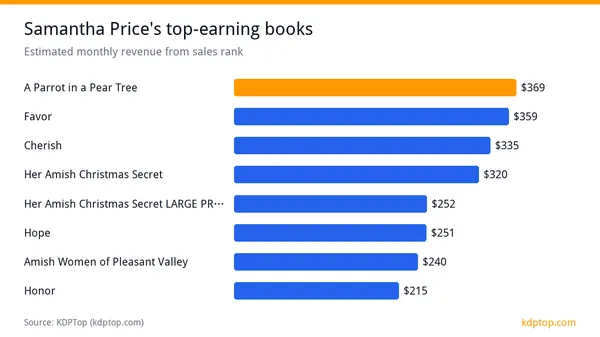
Samantha Price: How 342 KDP Books Build a Profitable Catalog
Samantha Price has 342 tracked KDP books, 201 recent bestseller appearances and 8 breakouts. See her pricing, Amish fiction catalog and estimated earnings.