
KDP categories · Top KDP authors
Kengo Kuma: Amazon KDP author data
As of Nov 6, 2026, Kengo Kuma has 7 books on Amazon, 6 of them on a best-seller list in the last 30 days (best rank #16), mostly in Individual Architects & Firms, History, Methods & Materials.
| Median price | $30 |
|---|---|
| Price range (middle 50%) | $26.24 – $46.69 |
| Median reviews | 22 |
| Total reviews | 126 |
| New books (30 days) | 3 |
| Breakout books (30 days) | 2 |
What stands out
- 86% of the catalog made a best-seller list in the last 30 days: the whole backlist sells, not one hit.
- Median price $30, 28% below the median of their main category, Individual Architects & Firms.
- 3 new books in the last 30 days, 2 of them broke into a Best Sellers list.
Kengo Kuma's best-ranked books
-

Architecture Words 2: Anti-Object
by Kengo Kuma
- Price$4.99
- Rating4.6
- Reviews41
-

Japanese Creativity: Contemplations on Japanese Architecture
by Kengo Kuma
- Price$29.49
- Rating4.5
- Reviews4
-

Kengo Kuma: New Works
by Kengo Kuma
- Price$48.83
- Rating4.5
- Reviews2
-

KKAA Kengo Kuma and Associates: The Details of Designing Soft and Small
by Kengo Kuma
- Price$44.50
- Reviews-
-
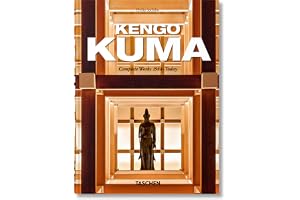
Kengo Kuma. Complete Works 1988–Today. 45th Ed. (45th Edition) (Multilingual Edition)
by Kengo Kuma
- Price$30
- Reviews-
-

Handmade in Japan: The Pursuit of Perfection in Traditional Crafts
by Kengo Kuma
- Price$53.79
- Rating4.6
- Reviews79
- Published2020-09
-

Main categories
FAQ
How many books does Kengo Kuma have on Amazon?
KDPTop tracks 7 of their books; 6 made an Amazon list in the last 30 days.
Which categories does Kengo Kuma publish in?
Their books chart most often in Individual Architects & Firms, History, Methods & Materials.
How does Kengo Kuma price their books?
The median price is $30; half of the books cost $26.24–$46.69.
Has Kengo Kuma released new books recently?
3 new books in the last 30 days, 2 of which reached a Best Sellers list.
About this data
Data comes from KDPTop's daily crawl of Amazon's public Best Sellers pages; medians use the latest list. The opportunity score (0–100, higher is easier to enter) combines the review barrier, the share of low-review books, list turnover, new-release share and price.