
KDP categories · Top KDP authors
Michael Rudolf Vogl: Amazon KDP author data
As of Nov 6, 2026, Michael Rudolf Vogl has 2 books on Amazon, 2 of them on a best-seller list in the last 30 days (best rank #48), mostly in Mathematical Physics, Electromagnetism, Molecular Physics.
| Median price | $76.81 |
|---|---|
| Price range (middle 50%) | $76.40 – $77.23 |
| Median reviews | - |
| Total reviews | 0 |
| New listings (30 days, incl. new editions) | 2 |
| Breakout books (30 days) | 2 |
What stands out
- Median price $76.81, 237% above the median of their main category, Mathematical Physics.
Michael Rudolf Vogl's best-ranked books
-
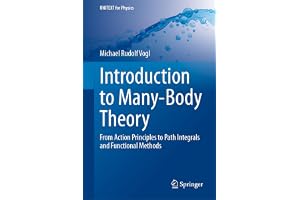
Introduction to Many-Body Theory: From Action Principles to Path Integrals and Functional Methods (UNITEXT for Physics)
by Michael Rudolf Vogl
- Price$75.99
- Reviews-
-
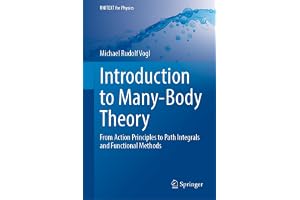
Introduction to Many-Body Theory: From Action Principles to Path Integrals and Functional Methods (UNITEXT for Physics)
by Michael Rudolf Vogl
- Price$77.64
- Reviews-
- Published2026-10
Main categories
FAQ
How many books does Michael Rudolf Vogl have on Amazon?
KDPTop tracks 2 of their books; 2 made an Amazon list in the last 30 days.
Which categories does Michael Rudolf Vogl publish in?
Their books chart most often in Mathematical Physics, Electromagnetism, Molecular Physics.
How does Michael Rudolf Vogl price their books?
The median price is $76.81; half of the books cost $76.40–$77.23.
Has Michael Rudolf Vogl released new books recently?
2 new books in the last 30 days, 2 of which reached a Best Sellers list.
About this data
Data comes from KDPTop's daily crawl of Amazon's public Best Sellers pages; medians use the latest list. The opportunity score (0–100, higher is easier to enter) combines the review barrier, the share of low-review books, list turnover, new-release share and price.