
KDP categories · Top KDP authors
Rahul Agrawal: Amazon KDP author data
As of Nov 6, 2026, Rahul Agrawal has 5 books on Amazon, 5 of them on a best-seller list in the last 30 days (best rank #12), mostly in Hinduism, Money & Monetary Policy, Economic History.
| Median price | $18.40 |
|---|---|
| Price range (middle 50%) | $4.99 – $21 |
| Median reviews | 2 |
| Total reviews | 83 |
| New listings (30 days, incl. new editions) | 1 |
| Breakout books (30 days) | 1 |
What stands out
- 100% of the catalog made a best-seller list in the last 30 days: the whole backlist sells, not one hit.
- Median price $18.40, 84% above the median of their main category, Hinduism.
Rahul Agrawal's best-ranked books
-
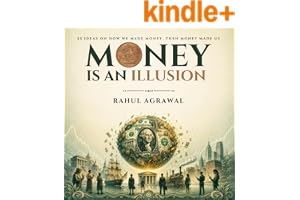
Money Is An Illusion: 25 Ideas on How We Made Money, Then Money Made Us (One World Ideas Series)
by Rahul Agrawal
- Price$4.99
- Rating5.0
- Reviews1
- Published2026-08
-

Hanuman Chalisa for Kids: With Choupai in English (Bhakti Series)
by Rahul Agrawal
- Price$18.40
- Rating4.6
- Reviews72
- Published2020-07
-

Australia - The Young Oldest Country: 25 Ideas That Made Australia – Then and Now (One World Ideas Series)
by Rahul Agrawal
- Price$4.99
- Rating5.0
- Reviews7
-

Sri Ram Stuti for Young Minds (Bhakti Series)
by Rahul Agrawal
- Price$21
- Rating5.0
- Reviews2
-

Sacred Shlokas and Mantras for Young Minds: Chanting with the Gods (Bhakti Series)
by Rahul Agrawal
- Price$21
- Rating5.0
- Reviews1
Main categories
FAQ
How many books does Rahul Agrawal have on Amazon?
KDPTop tracks 5 of their books; 5 made an Amazon list in the last 30 days.
Which categories does Rahul Agrawal publish in?
Their books chart most often in Hinduism, Money & Monetary Policy, Economic History.
How does Rahul Agrawal price their books?
The median price is $18.40; half of the books cost $4.99–$21.
Has Rahul Agrawal released new books recently?
1 new book in the last 30 days, 1 of which reached a Best Sellers list.
About this data
Data comes from KDPTop's daily crawl of Amazon's public Best Sellers pages; medians use the latest list. The opportunity score (0–100, higher is easier to enter) combines the review barrier, the share of low-review books, list turnover, new-release share and price.