
KDP categories · Top KDP authors
Stephanie Pincetl: Amazon KDP author data
As of Nov 6, 2026, Stephanie Pincetl has 2 books on Amazon, 2 of them on a best-seller list in the last 30 days (best rank #40), mostly in Energy Policy, City Planning & Urban Development, Energy & Mining.
| Median price | $56.54 |
|---|---|
| Price range (middle 50%) | $55.82 – $57.27 |
| Median reviews | - |
| Total reviews | 0 |
| New books (30 days) | 2 |
| Breakout books (30 days) | 2 |
What stands out
- Median price $56.54, 198% above the median of their main category, Energy Policy.
Stephanie Pincetl's best-ranked books
-
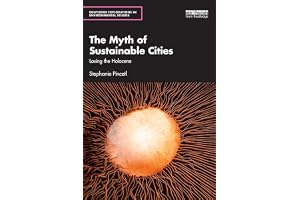
The Myth of Sustainable Cities (Routledge Explorations in Environmental Studies)
by Stephanie Pincetl
- Price$57.99
- Reviews-
- Published2026-09
-
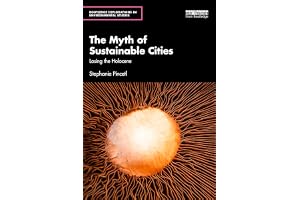
The Myth of Sustainable Cities: Losing the Holocene (Routledge Explorations in Environmental Studies)
by Stephanie Pincetl
- Price$55.09
- Reviews-
- Published2026-09
Main categories
FAQ
How many books does Stephanie Pincetl have on Amazon?
KDPTop tracks 2 of their books; 2 made an Amazon list in the last 30 days.
Which categories does Stephanie Pincetl publish in?
Their books chart most often in Energy Policy, City Planning & Urban Development, Energy & Mining.
How does Stephanie Pincetl price their books?
The median price is $56.54; half of the books cost $55.82–$57.27.
Has Stephanie Pincetl released new books recently?
2 new books in the last 30 days, 2 of which reached a Best Sellers list.
About this data
Data comes from KDPTop's daily crawl of Amazon's public Best Sellers pages; medians use the latest list. The opportunity score (0–100, higher is easier to enter) combines the review barrier, the share of low-review books, list turnover, new-release share and price.