
KDP categories · Top KDP authors
Fantasy (Teen & Young Adult › Comics & Graphic Novels › Science Fiction & Fantasy, Kindle eBooks): Amazon KDP category data
Amazon Kindle eBooks Best Sellers data for Fantasy (Teen & Young Adult › Comics & Graphic Novels › Science Fiction & Fantasy, Kindle eBooks), updated Nov 2, 2026: median price $6.99, median 685 reviews, average rating 4.7 and a KDPTop opportunity score of 21/100 (highly competitive).
| Price range (middle 50%) | $6.29 – $9.99 |
|---|---|
| Average rating | 4.7 |
| New releases (90 days) | 2% |
| Books on the list | 99 |
| Store | Kindle eBooks |
What stands out
- Only 2% of its best sellers are under 90 days old, fewer than in 89% of Kindle eBooks categories: established titles hold the list.
- Its median reviews are 39% of the parent category Science Fiction & Fantasy (1,765), one of the easier corners under it.
- Its review barrier is higher than in 83% of Kindle eBooks categories: the median best seller has 685 reviews, so new books need time to build up.
Top 10 Fantasy best sellers
-
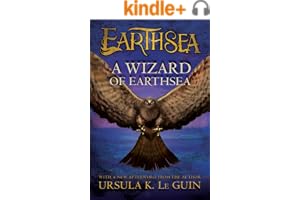
A Wizard of Earthsea: A Newbery Honor YA Epic Fantasy About Taming Dragons and Conquering Your Own Shadow (The Earthsea Cycle Series Book 1)
- List rank#1
- Price$11.99
- Rating4.3
- Reviews16,549
-

-

-

-

-

-

-
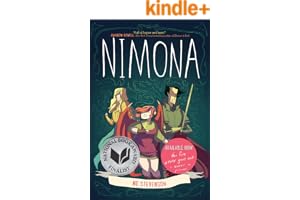
Nimona: A Beloved Graphic Novel and Basis for the Netflix Film
by ND Stevenson
- List rank#8
- Price$14.99
- Rating4.7
- Reviews6,318
-

-

FAQ
Is Fantasy a good niche for Amazon KDP?
Its KDPTop opportunity score is 21/100, which makes it highly competitive. The median best seller has 685 reviews and sells for $6.99.
How many reviews do you need to rank in Fantasy?
The median best seller has 685 reviews, and 8% of them have fewer than 100.
What do Fantasy best sellers cost?
The median price is $6.99; half of the best sellers are priced between $6.29 and $9.99.
Can new books break into Fantasy?
2% of the current best sellers were released in the last 90 days.
About this data
Data comes from KDPTop's daily crawl of Amazon's public Best Sellers pages; medians use the latest list. The opportunity score (0–100, higher is easier to enter) combines the review barrier, the share of low-review books, list turnover, new-release share and price.