

Jewish Children's Books: Best Sellers, Prices and KDP Opportunity
Jewish children's books generate an estimated $29,208 monthly across the Top 100. See prices, review barriers, indie competition and publishing opportunities.
Jewish children's books generate an estimated $29,208 in monthly revenue across Amazon's Top 100 Best Sellers, but independent publishers hold just 13% of the list. Traditional publishers control most of the category, and the opportunity score sits at 25 out of 100. For a KDP publisher, that makes Jewish a difficult category to enter without a clear subject angle and a strong book concept.
The current list is led by Dr. Seuss's Horton Hears a Hanukkah Party! (Horton's Holiday Tales), with estimated monthly sales of 201 copies. Prices cluster around $8.99, and established children's brands occupy several of the leading positions. There is some room for newer independent books, though the sales data suggests that breaking into this category takes more than choosing a holiday keyword.
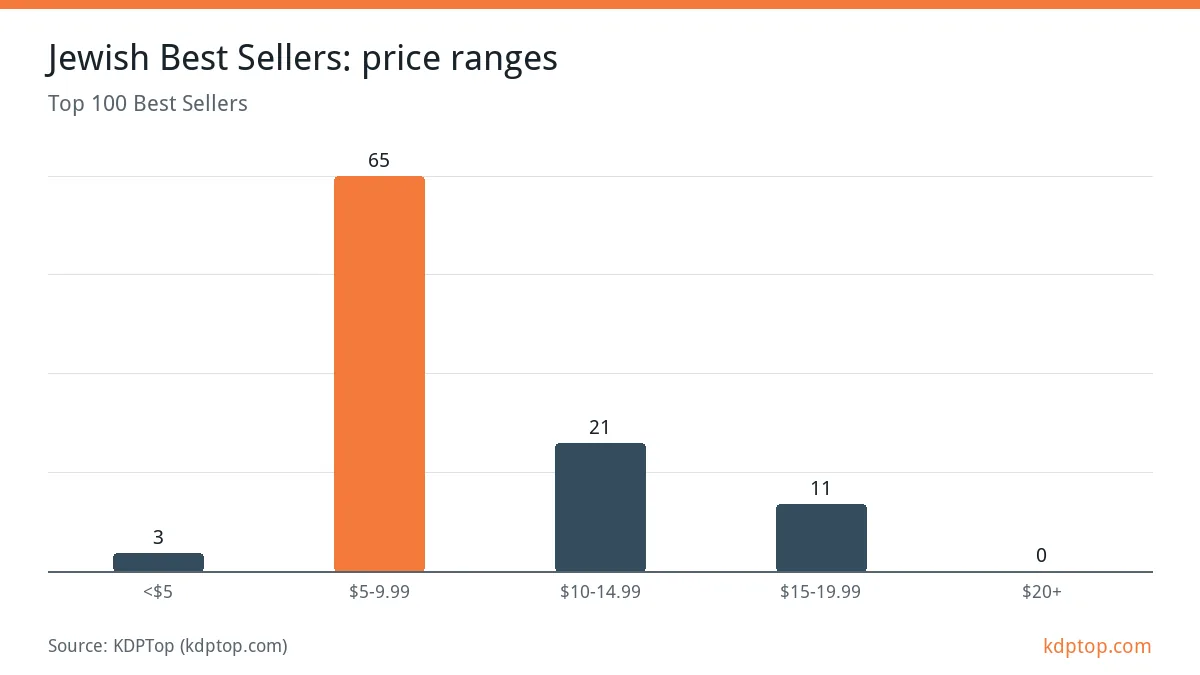
Jewish Best Sellers cluster around the $5-$9.99 price range
Show the data
| Price range | Books |
|---|---|
| <$5 | 3 |
| $5-9.99 | 65 |
| $10-14.99 | 21 |
| $15-19.99 | 11 |
| $20+ | 0 |
The median price in Jewish children's books is $8.99. The middle half of the list falls between $6.99 and $10.91, giving publishers a fairly narrow pricing reference for a standard children's title. The largest price group is $5-$9.99, which contains 65 of the Top 100 books. Another 21 titles sell between $10 and $14.99, while 11 sit between $15 and $19.99. Only three books cost less than $5, and none reach $20.
This distribution favors affordable picture books, board books and activity titles. A new KDP picture book priced around the category median would fit the existing market. A substantially higher price needs a reason, such as additional content, a distinctive format or a more specialized educational purpose.
The higher-priced books are worth studying before setting a price. Best-Loved Jewish Songs for Hanukkah, Passover, Shabbat, Rosh Hashanah, Yom Kippur, Sukkot, Purim And More. A Children's Sound Book for Kids costs $12.57 and has an estimated monthly revenue of $2,149. Its sound-book format gives buyers something beyond a conventional picture book. That is a useful comparison for publishers considering interactive or activity-led products.
For low-content publishers, competing at the bottom of the price range is unlikely to be enough. A generic journal or notebook has to compete with established children's books and holiday products. A more specific concept, such as a Hanukkah activity book for a defined age group, gives the listing a clearer reason to exist.
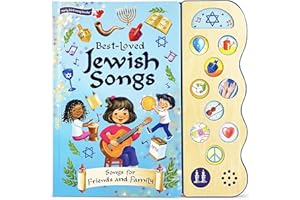
Best-Loved Jewish Songs for Hanukkah, Passover, Shabbat, Rosh Hashanah, Yom Kippur, Sukkot, Purim And More. A Children's Sound Book for Kids
by Cottage Door Press
- Price$12.57
- Reviews628
- BSR#4,020
- Est. revenue/mo$2,149
- List rank#5
- Published2021-09
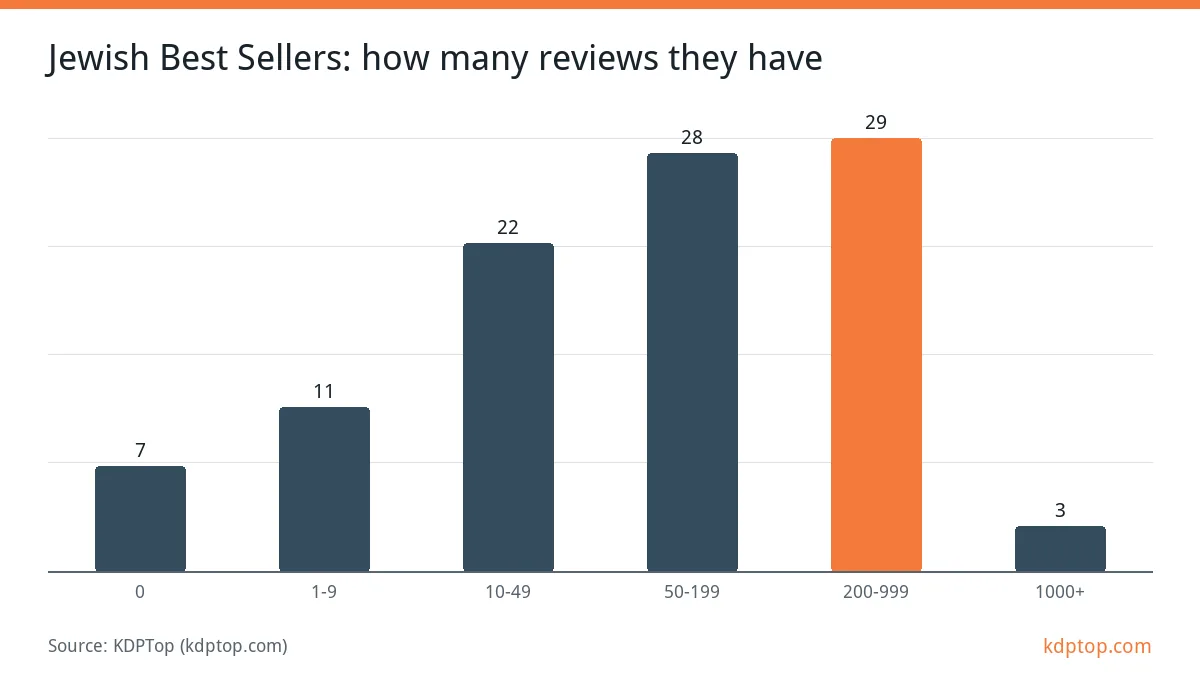
The review barrier is lower than the leading brands suggest
Show the data
| Reviews | Books |
|---|---|
| 0 | 7 |
| 1-9 | 11 |
| 10-49 | 22 |
| 50-199 | 28 |
| 200-999 | 29 |
| 1000+ | 3 |
The reported median review count is 68, and the average rating is 4.7 stars. The review distribution shows that 40 books have fewer than 50 reviews: seven have none, 11 have between one and nine, and 22 have between 10 and 49. Another 28 have between 50 and 199 reviews. The remaining titles have more established review histories, including three with at least 1,000 reviews.
That distribution gives a new publisher some encouragement. A book does not need hundreds of reviews to appear on this Best Sellers list. Dr. Seuss's Horton Hears a Hanukkah Party! has just 48 reviews and holds the number-one position. Construction Site Hanukkah Lights: A Hanukkah Lift-the-Flap Book has 62 reviews and ranks sixth.
Both examples have something else going for them: recognizable children's publishing brands and familiar characters or formats. Their review counts alone do not explain their rankings. A new independent author should treat the lower review counts as evidence that entry is possible, not as a prediction that a book with a similar number of reviews will achieve similar sales.
In the review-count distribution, 40 books have fewer than 50 reviews, and the median is 68. These figures describe one list snapshot, so check the current list before using them to set a precise launch target. The broader point remains that several listed books have relatively modest review histories.
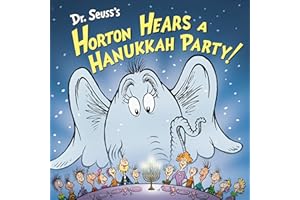
Dr. Seuss's Horton Hears a Hanukkah Party! (Horton's Holiday Tales)
- Price$9.98
- Reviews48
- BSR#3,139
- Est. revenue/mo$2,006
- List rank#1
- Published2025-09
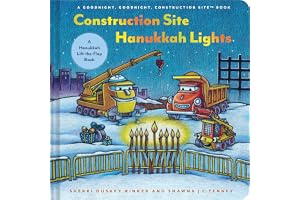
Construction Site Hanukkah Lights: A Hanukkah Lift-the-Flap Book (Goodnight Construction Site)
by Sherri Duskey Rinker
- Price$9.67
- Reviews62
- BSR#3,779
- Est. revenue/mo$1,102
- List rank#6
- Published2025-09
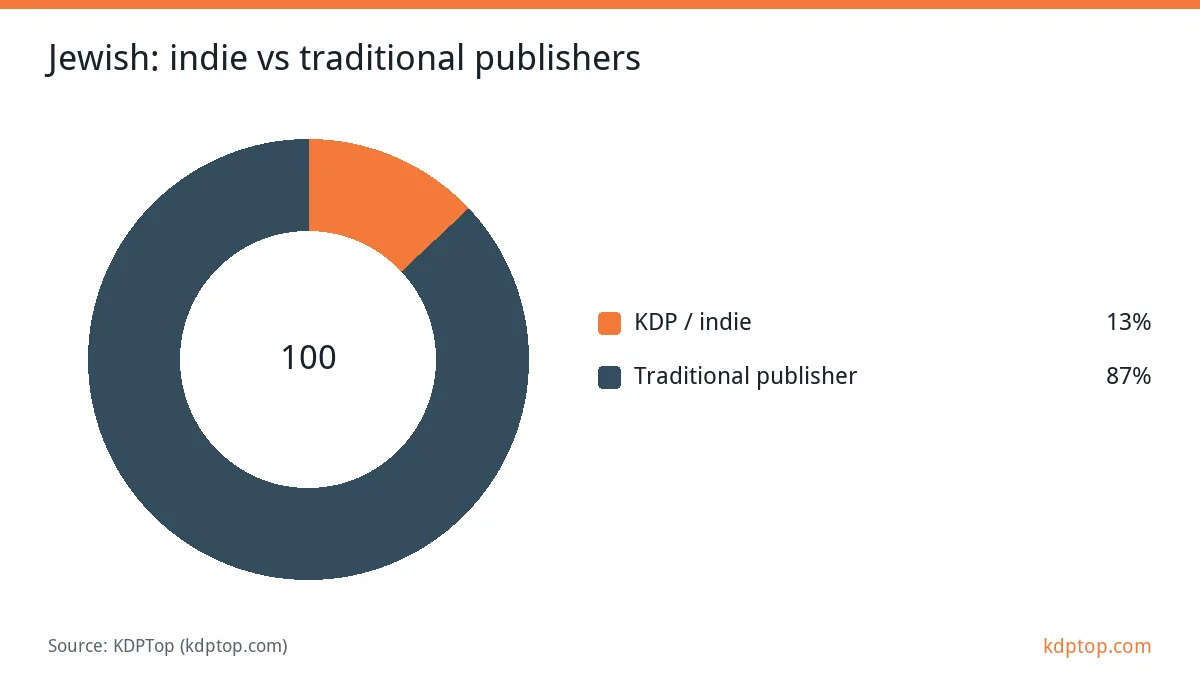
Traditional publishers control 87% of the Jewish category
Show the data
| Publisher type | Books |
|---|---|
| KDP / indie | 13 |
| Traditional publisher | 87 |
Independent KDP books account for 13 of the Top 100 titles. Traditional publishers account for the other 87. That is a substantial competitive imbalance for an independent publisher entering Jewish children's books.
The leading titles show why established publishers have an advantage. The Very Hungry Caterpillar's 8 Nights of Chanukah benefits from the recognition attached to Eric Carle. Goodnight Bubbala has built a substantial review history, with 1,132 reviews and a 4.9-star rating. Hanukkah Mad Libs draws on an established game-book format and has 827 reviews.
These books occupy different product niches. The Very Hungry Caterpillar's 8 Nights of Chanukah is a board book, Goodnight Bubbala is a picture book, and Hanukkah Mad Libs is a game book. Their presence suggests that the category accommodates several children's formats, but brand recognition and an existing audience are meaningful advantages.
For a new KDP publisher, competing directly with these titles on broad terms such as Jewish children's books or Hanukkah books will be difficult. A narrower subject is more practical. A story about a particular holiday tradition, a Jewish family activity book or an age-specific introduction to Shabbat could give a new title a more defined audience. The opportunity score of 25 reflects the limited room currently available across the category as a whole.
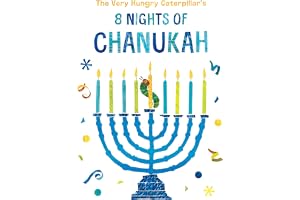
The Very Hungry Caterpillar's 8 Nights of Chanukah
by Eric Carle
- Price$9.99
- Reviews326
- BSR#2,637
- Est. revenue/mo$1,199
- List rank#3
- Published2020-10
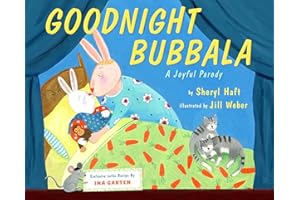
Goodnight Bubbala
by Sheryl Haft
- Price$10.95
- Reviews1,132
- BSR#13,687
- Est. revenue/mo$953
- List rank#14
- Published2019-10
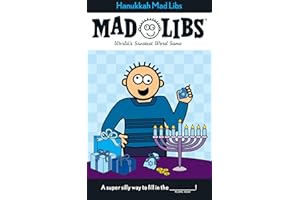
Hanukkah Mad Libs: World's Greatest Word Game
by Mad Libs
- Price$6.99
- Reviews827
- BSR#2,687
- Est. revenue/mo$818
- List rank#2
- Published2012-09
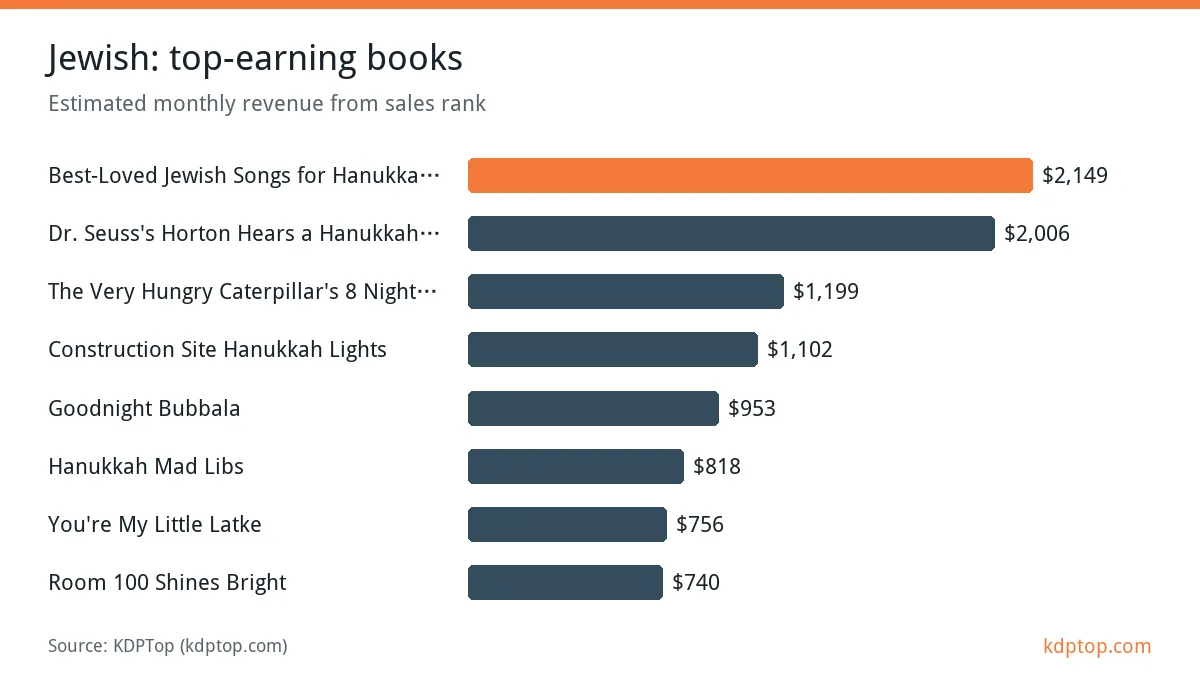
The leading eight books generate meaningful revenue, but sales are concentrated
Show the data
| Book | Est. monthly revenue |
|---|---|
| Best-Loved Jewish Songs for Hanukkah,… | $2,149 |
| Dr. Seuss's Horton Hears a Hanukkah P… | $2,006 |
| The Very Hungry Caterpillar's 8 Night… | $1,199 |
| Construction Site Hanukkah Lights | $1,102 |
| Goodnight Bubbala | $953 |
| Hanukkah Mad Libs | $818 |
| You're My Little Latke | $756 |
| Room 100 Shines Bright | $740 |
The estimated monthly revenue of the Top 100 is $29,208. The top 10 books account for 38% of that revenue, leaving the rest of the list to share the remaining market. The leading titles therefore have a substantial advantage over the average book in the category.
Best-Loved Jewish Songs for Hanukkah, Passover, Shabbat, Rosh Hashanah, Yom Kippur, Sukkot, Purim And More. A Children's Sound Book for Kids leads the supplied revenue sample at an estimated $2,149 per month. Its estimated monthly sales are 171 copies. Dr. Seuss's Horton Hears a Hanukkah Party! follows with estimated revenue of $2,006 and 201 monthly units. The difference illustrates why price matters when comparing estimated revenue rather than unit sales alone.
The Very Hungry Caterpillar's 8 Nights of Chanukah generates an estimated $1,199 per month from 120 units. Construction Site Hanukkah Lights generates $1,102 from 114 units. Goodnight Bubbala brings in an estimated $953, while Hanukkah Mad Libs generates $818. You're My Little Latke earns an estimated $756, and the independent title Room 100 Shines Bright: A Hanukkah Story About Kindness generates an estimated $740.
Room 100 Shines Bright is the most useful independent example in this sample. Ella Rahamim's picture book costs $12.99 and has an estimated 57 monthly sales. Its position shows that an independent title can reach meaningful revenue in this category, even without the recognition attached to major children's brands. It is also a more expensive book than the category median, suggesting that a focused story can support a higher price point.
These revenue figures are estimates modelled from Amazon Best Sellers Rank, not sales or royalty reports supplied by Amazon. They are useful for comparing books and identifying relative demand. They cannot establish actual author income, advertising costs, printing expenses or profit. Publishers should treat the estimates as market signals rather than guaranteed monthly results.
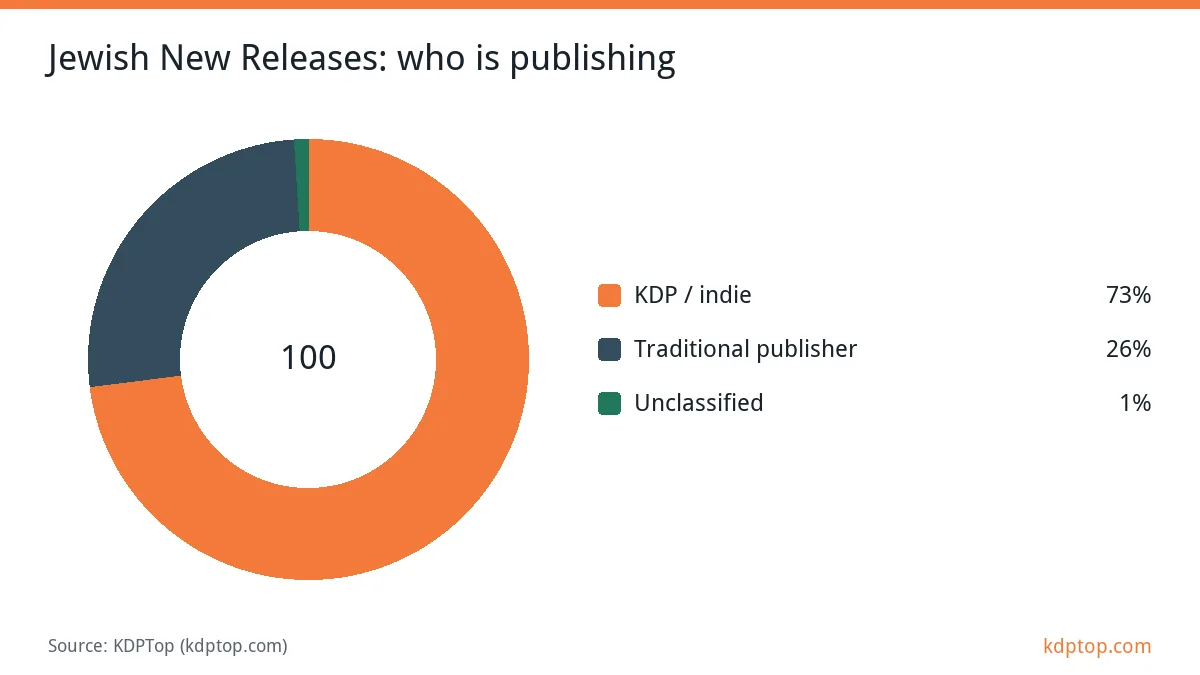
New KDP books are entering, but the Best Sellers list is not turning over
Show the data
| Publisher type | Books |
|---|---|
| KDP / indie | 73 |
| Traditional publisher | 26 |
| Unclassified | 1 |
The new-release figures offer an interesting contrast. New releases account for 15% of the current Top 100, and 73% of the publishers represented among the new releases are independent KDP publishers. Traditional publishers account for 26%, with 1% unclassified.
That is a much stronger independent presence among newer books than the 13% indie share across the full Best Sellers list. Independent publishers are getting books into the category, even though their representation among established best sellers remains limited. This is the most encouraging signal for someone considering a new Jewish children's title.
However, the current list reports zero new entries since the previous snapshot and zero Top 100 turnover. Those figures suggest that the existing ranking positions have remained stable. A strong proportion of independent publishers among recent releases does not automatically mean those releases are replacing established best sellers.
The opportunity score is 25 out of 100, which indicates limited room for new indie books. A publisher should therefore approach this category with a specific product rather than a broad publishing plan. Hanukkah is prominent among the leading titles, but the category also includes Passover, Shabbat, Rosh Hashanah, Yom Kippur, Sukkot and Purim. These subjects provide possible directions for books that address a clear reader need.
I would favor a well-developed holiday picture book or a practical children's activity book over a generic low-content title here. Room 100 Shines Bright: A Hanukkah Story About Kindness provides a current example of an independent picture book with estimated monthly sales. The strongest starting point is to identify a subject that existing books cover poorly, then build the format and listing around that audience. The available data does not show keyword search volume or advertising competition, so those need separate research before publication.
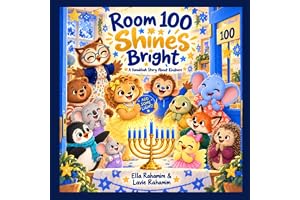
Room 100 Shines Bright: A Hanukkah Story About Kindness
by Ella Rahamim
- Price$12.99
- Reviews-
- BSR#30,291
- Est. revenue/mo$740
- List rank#38
Key takeaways
- Use $8.99 as the initial pricing reference for a standard Jewish children's book, then adjust for format, production costs and added content.
- Study titles with fewer than 50 reviews, especially Dr. Seuss's Horton Hears a Hanukkah Party!, but remember that established brands can attract buyers without large review counts.
- Choose a specific holiday, tradition or age group instead of publishing a generic Jewish children's activity book.
- Look at Room 100 Shines Bright: A Hanukkah Story About Kindness as evidence that an independent picture book can generate estimated monthly revenue of $740.
- Treat the 25-point opportunity score and zero turnover as reasons to research the competition carefully before committing to a new title.
Books in this analysis
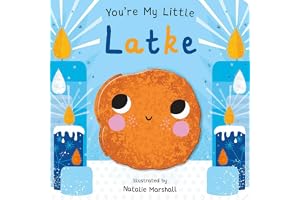
You're My Little Latke (Board Book for Babies and Toddlers 0-2 years old)
by Nicola Edwards
- Price$7
- Reviews71
- BSR#4,328
- Est. revenue/mo$756
- List rank#4
Common questions
Are Jewish children's books profitable on Amazon KDP?
The Jewish category has estimated monthly revenue of $29,208 across its Top 100 Best Sellers. Room 100 Shines Bright: A Hanukkah Story About Kindness generates an estimated $740 monthly revenue, showing that an independent title can find buyers. Actual profit depends on printing costs, royalties, advertising and other expenses that the sales-rank estimates do not reveal.
How many reviews do Jewish children's books need to rank on Amazon?
The reported median review count is 68. Dr. Seuss's Horton Hears a Hanukkah Party! ranks number one with 48 reviews, while Construction Site Hanukkah Lights ranks sixth with 62. These examples show that a large review count is not essential, although recognizable brands and product appeal also influence rankings.
What price should I charge for a Jewish children's book?
The category median is $8.99, and 65 of the Top 100 books cost between $5 and $9.99. A standard picture book could use this range as a starting reference. Interactive formats and books with additional content may support higher prices, as demonstrated by Best-Loved Jewish Songs for Hanukkah, Passover, Shabbat, Rosh Hashanah, Yom Kippur, Sukkot, Purim And More.
Is the Jewish category a good opportunity for new KDP publishers?
The opportunity score is 25 out of 100, and independent books account for only 13% of the Top 100. However, independent publishers represent 73% of the publishers among new releases. Entry is possible, but a focused subject and a competitive product are important when established publishers control most of the current best sellers.
How we got these numbers
Data comes from KDPTop's continuous crawl of Amazon Best Sellers, New Releases, Movers & Shakers and book pages, plus each book's sales-rank history. Monthly units and revenue are estimated from sales rank (BSR); a single book can be off by ±30%, so use them to compare books, not as exact income. About our data
Explore KDPTop
- Studio: make the bookTurn the niche into a coloring or puzzle book ready for KDP, cover included
- Free category finderDescribe your book and get the KDP categories to pick
- Chrome extensionSee estimated sales and BSR right on Amazon
- User guideHow to read decision cards, scores and sales estimates
- PricingWhat the free plan covers and what paid plans add
Related analysis
-
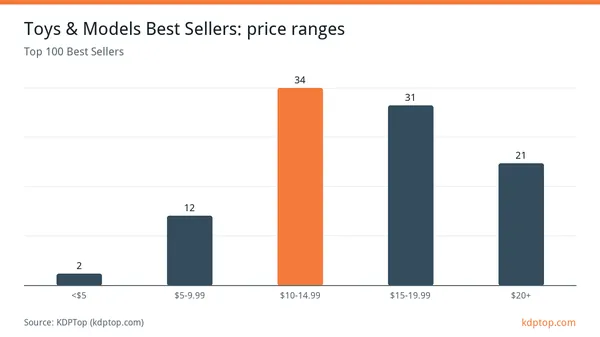
Toys & Models KDP Analysis: Prices, Reviews and Opportunity
Toys & Models has 100 Best Sellers, a $15.50 median price and only 10% indie representation. See review barriers, revenue leaders and KDP opportunities.
-
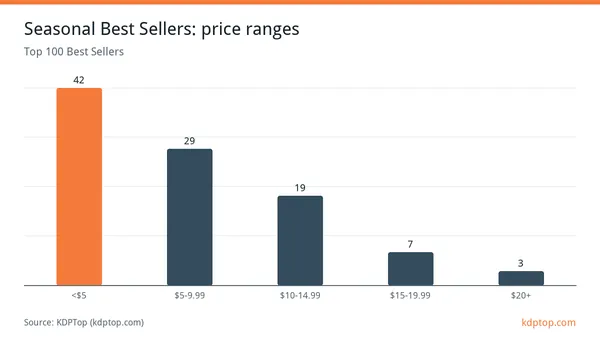
Amazon Seasonal Best Sellers: KDP Competition and Opportunity
Amazon's Seasonal Kindle category has 60% indie titles, a $6.99 median price and 67 books with fewer than 50 reviews. See what sells and where KDP has room.
-
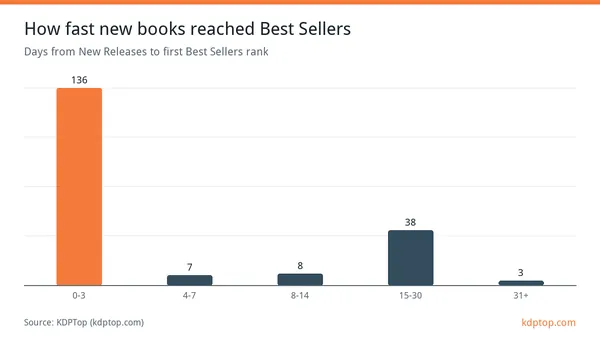
Growing Up & Facts of Life: 192 New Books Broke Out
Growing Up & Facts of Life had 192 new Best Sellers in 7 days. Most reached a list within 3 days, and 119 broke out with zero reviews.