KDPTop Studio

Pick the niche, then make the book

The Studio turns a topic into a book you can upload to Amazon KDP: an interior PDF, a cover PDF with the spine, listing copy, and A+ content for the product page. Today it makes picture books, illustrated chapter books and comics, coloring and color by number books, hidden object books, eight kinds of puzzle book, and notebooks, journals, planners and log books. A designer is there for the covers and pages you want to lay out by hand.

A 30-page coloring book with its covers is 40 credits, about $1.00 to $1.60.

An account with a confirmed email can try it once for free: 3 watermarked coloring pages.

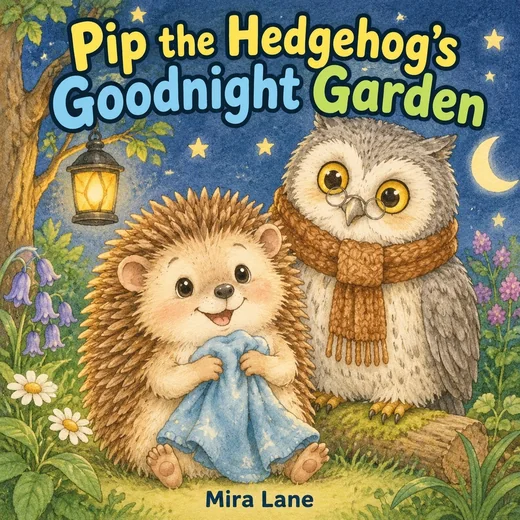
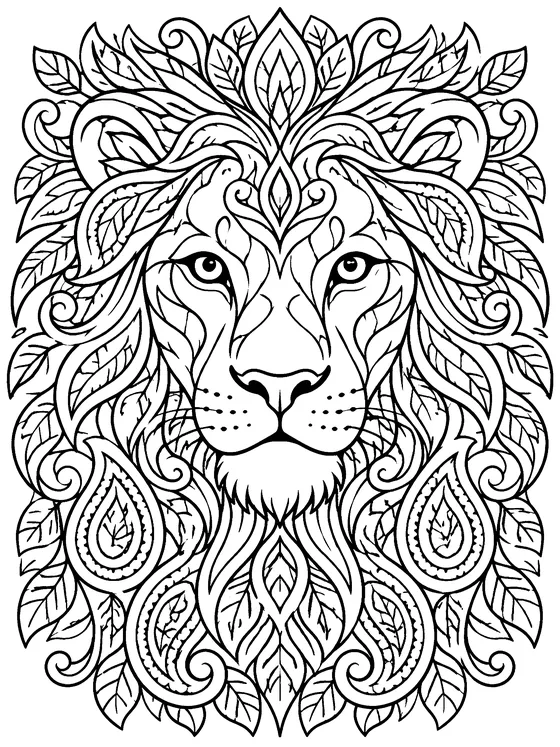
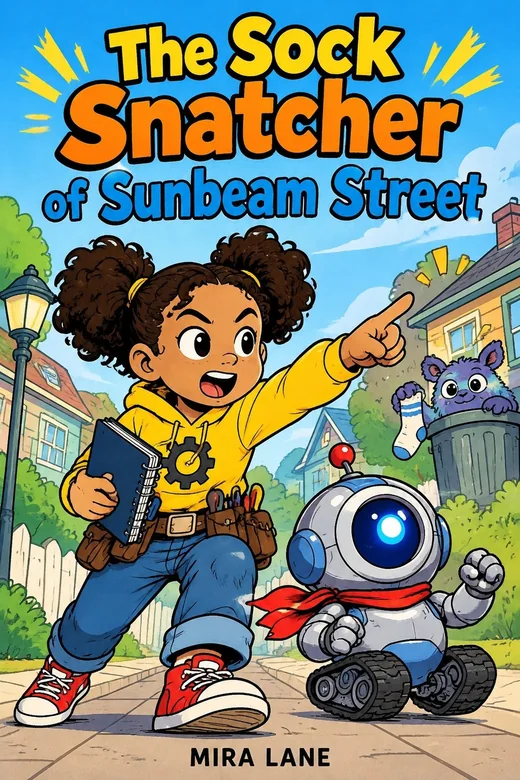
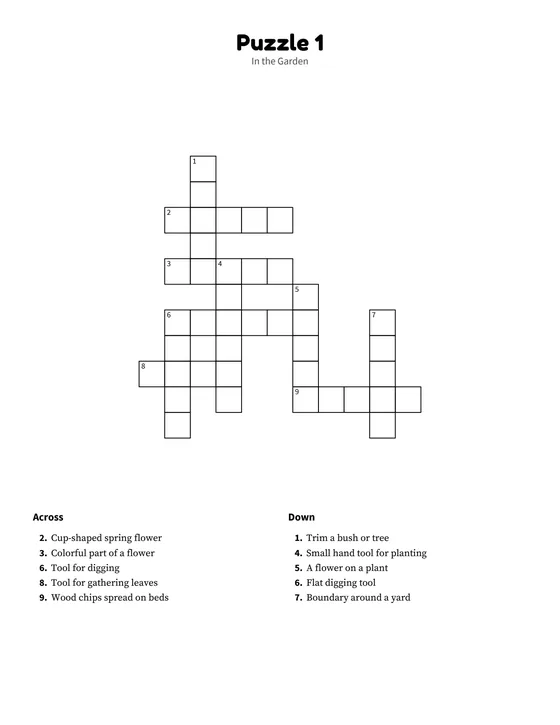
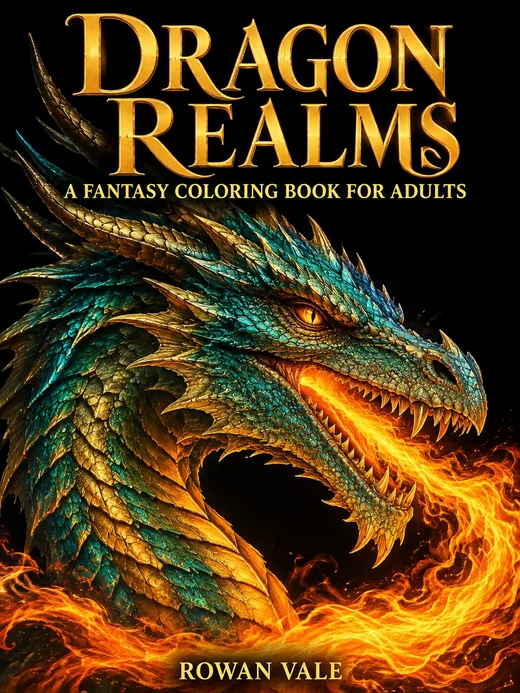
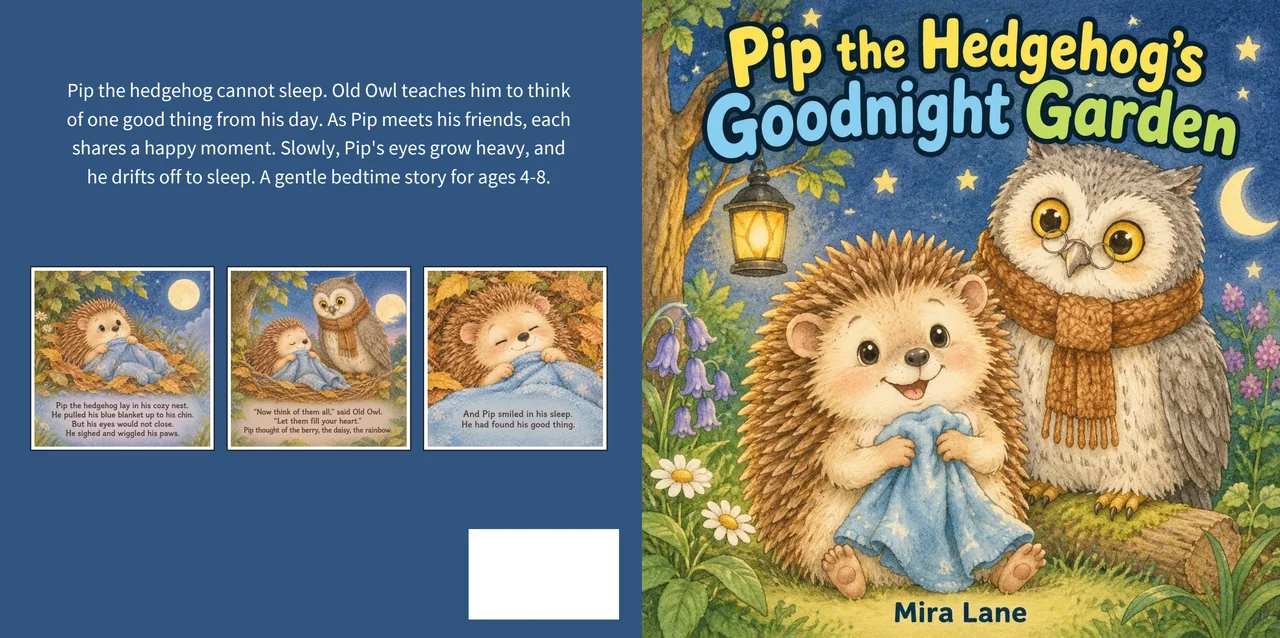
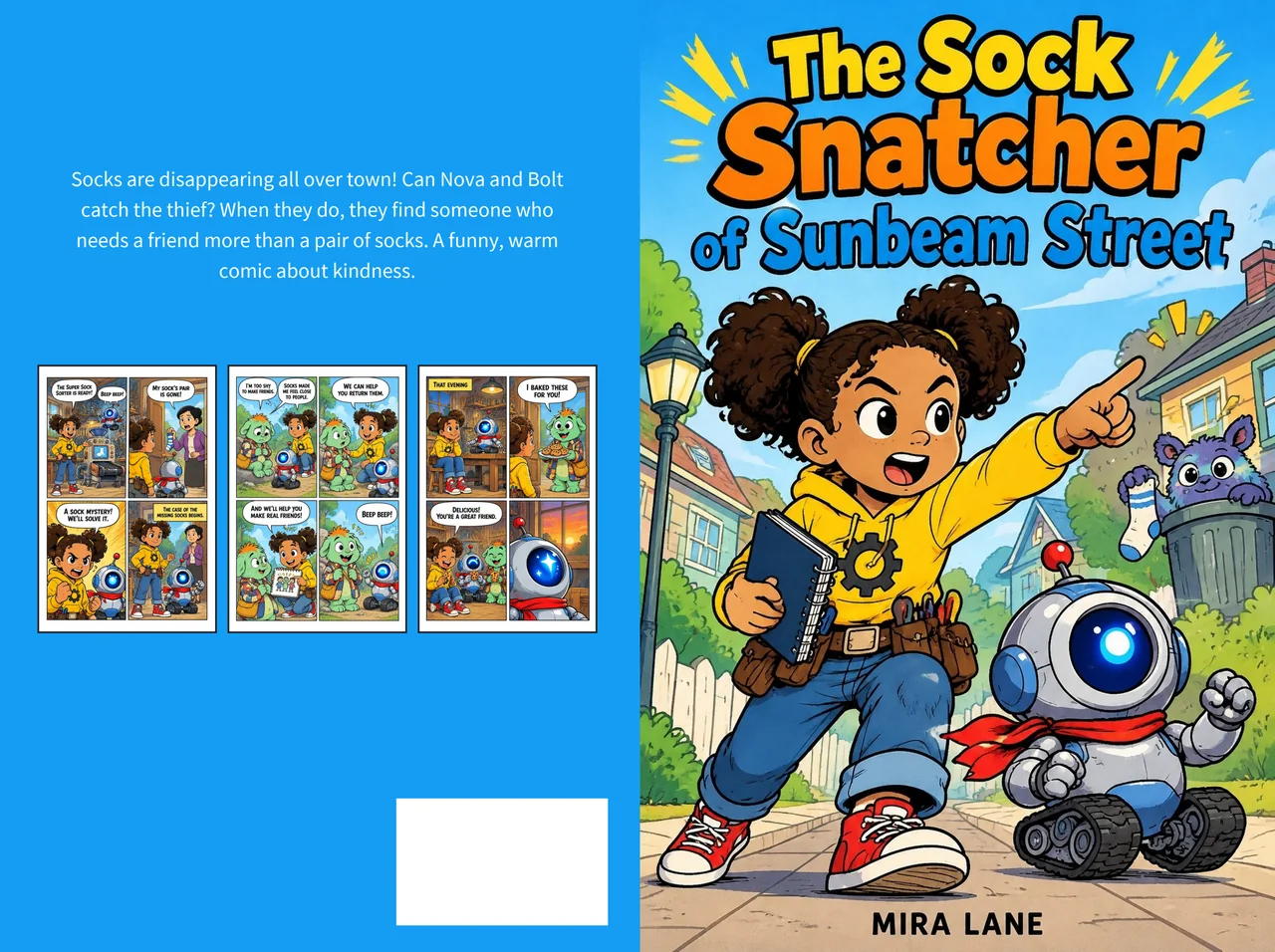
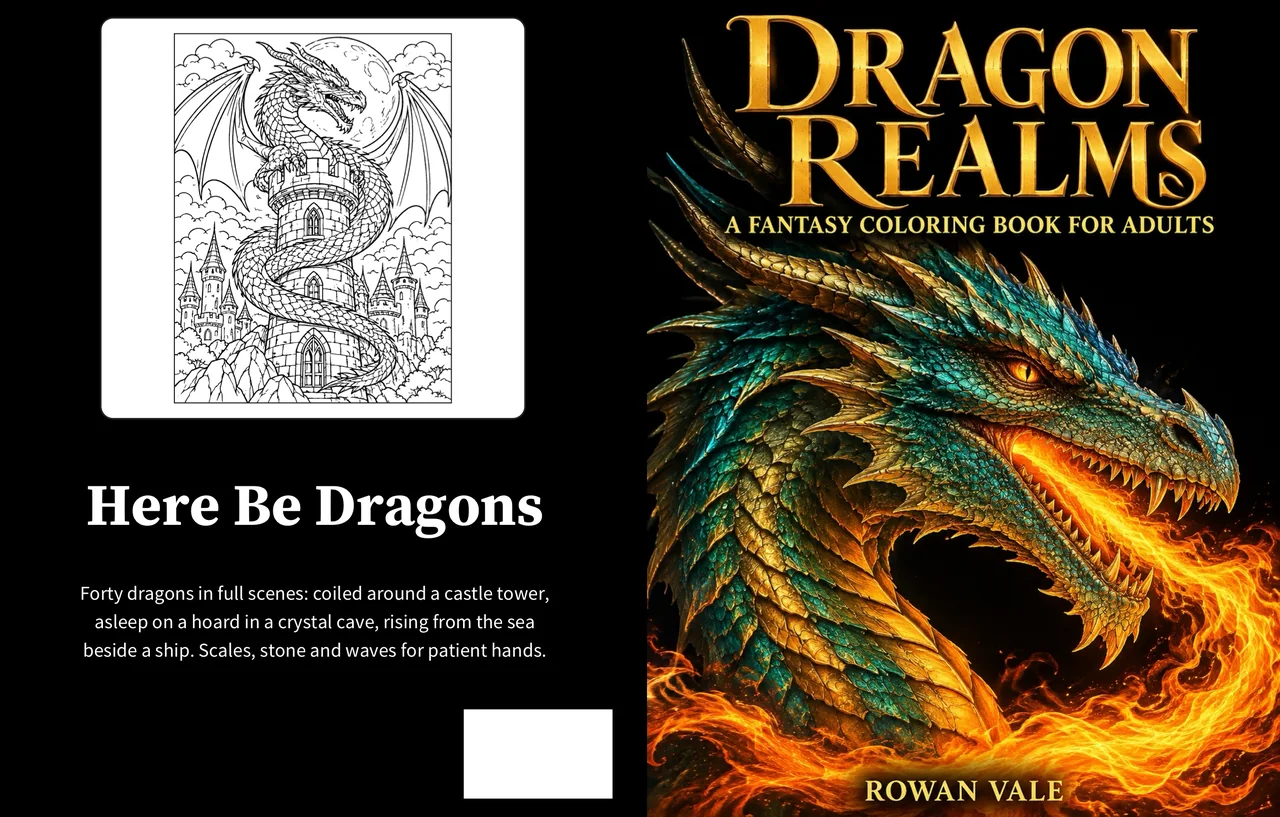
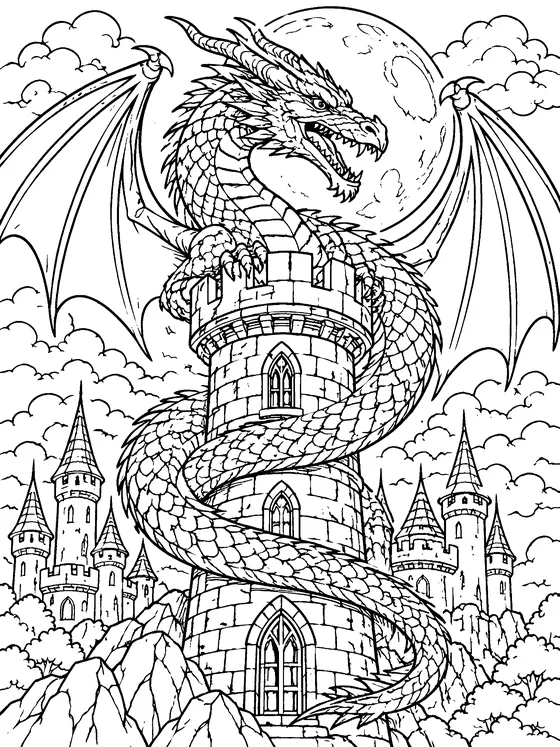
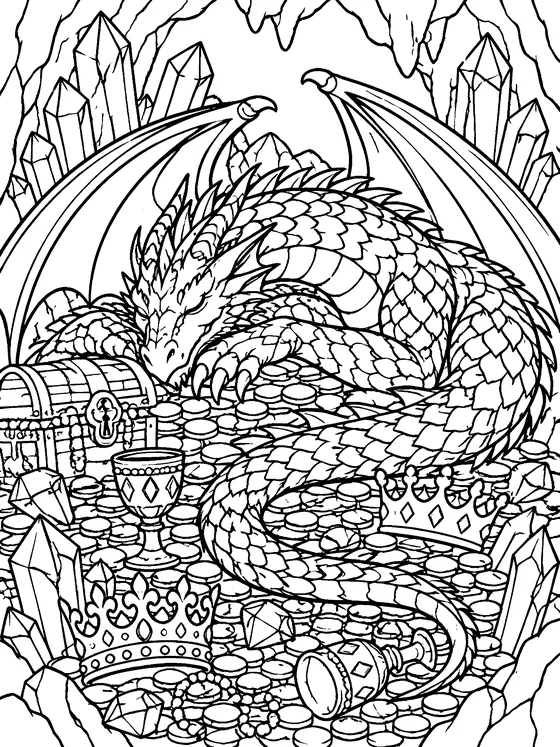
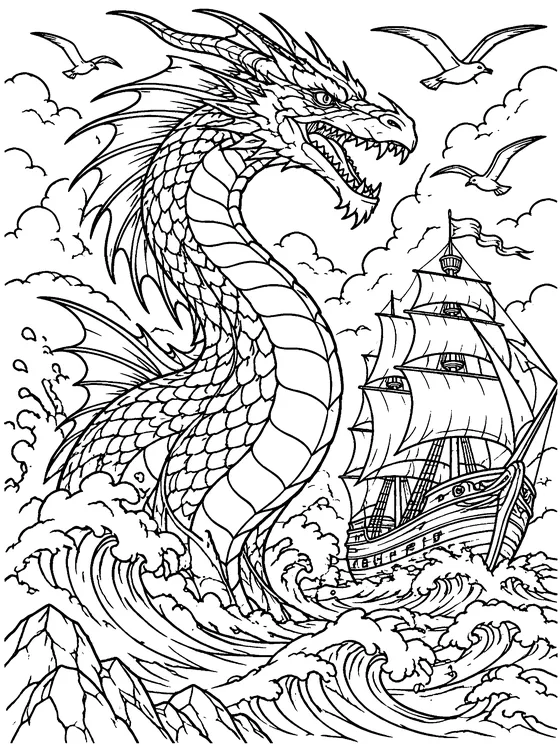
Front cover made in the Studio: Pip the Hedgehog's Goodnight GardenColoring page: a lion seen from the front, its mane made of leaves and paisley patternsFront cover made in the Studio: The Sock Snatcher of Sunbeam StreetCrossword page: an easy criss-cross grid with its clues across and downFront cover made in the Studio: Dragon Realms
Real output of the Studio, resized only, not retouched. Made 2026-11-22.

Sample books made with books that sell as the reference

Click "Make my version" on a book's data page and the Studio first reads its listing on Amazon: what makes it sell, how it is drawn, how its text is written, how its cover is built. Then it makes your own version with new characters, new content and a new title.

Cover of “A Cat is Stuck in Your Book”, a book on sale on Amazon
The book selling on AmazonA Cat is Stuck in Your BookAbout 1,230 sales a month (est.)
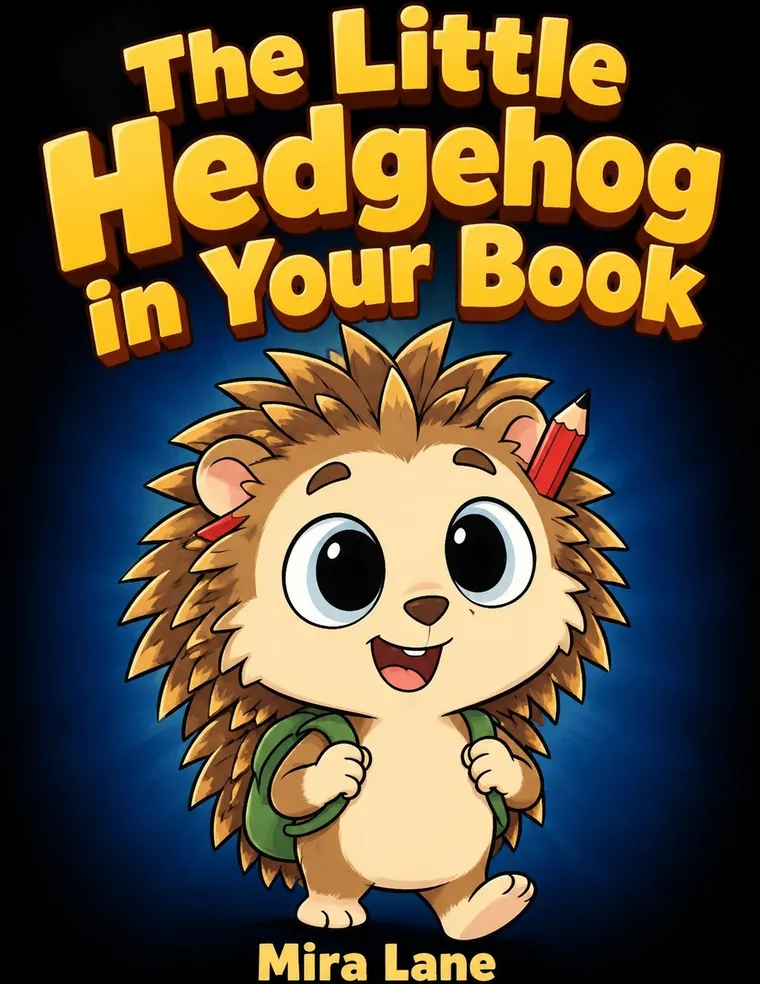
Cover of “The Little Hedgehog in Your Book”
Cover
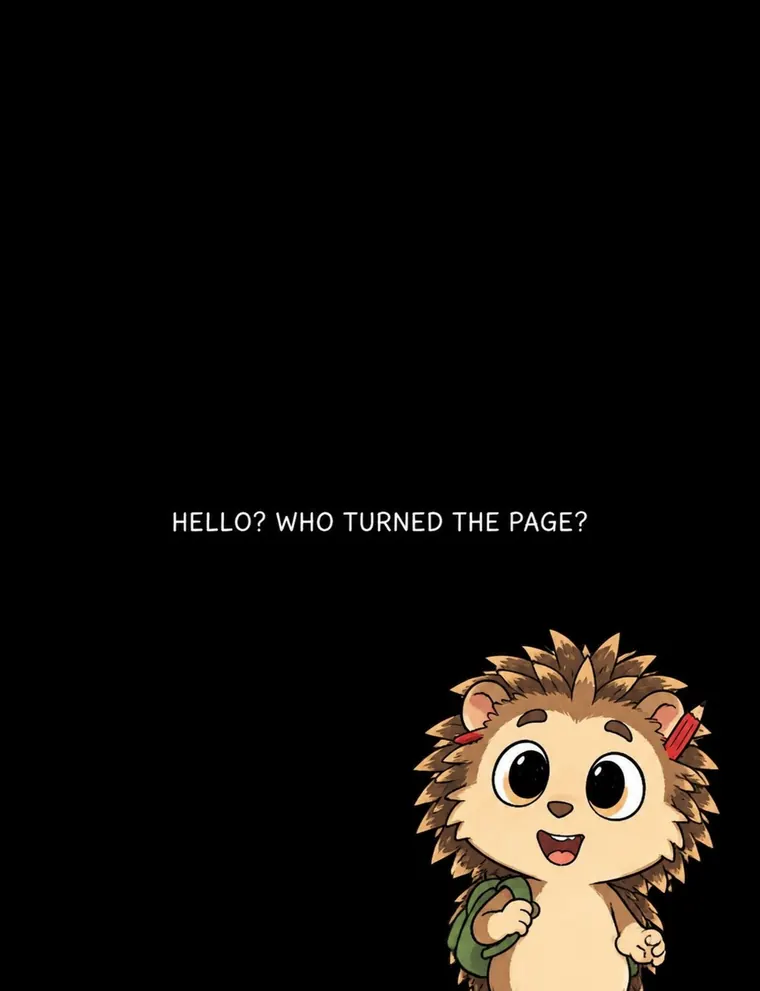
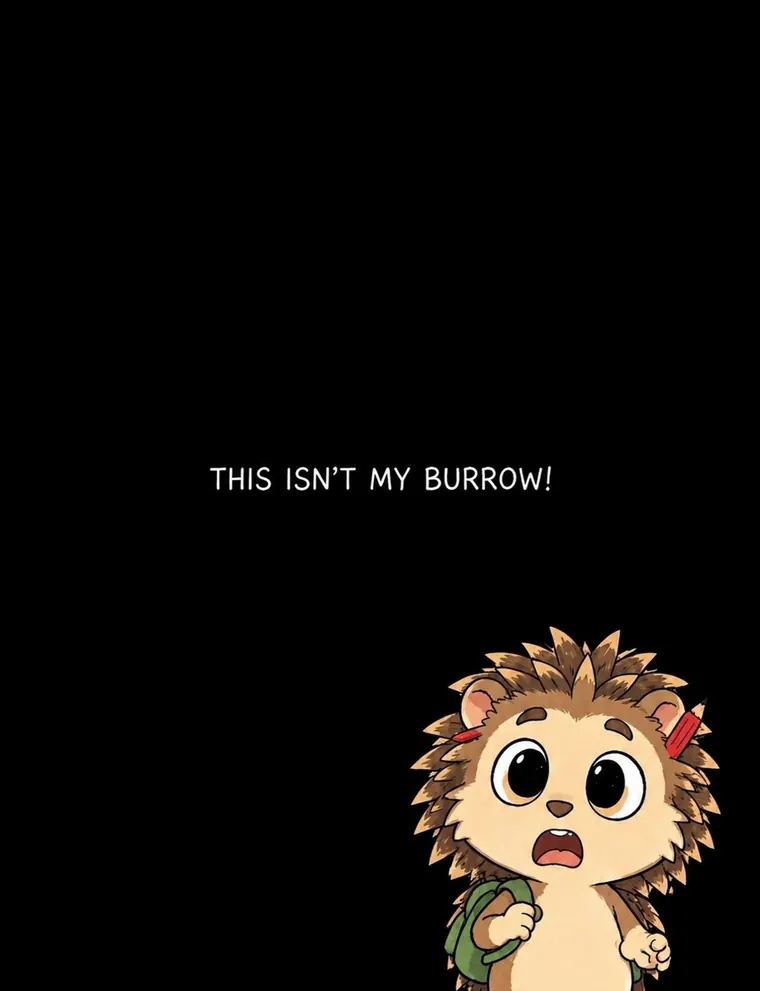
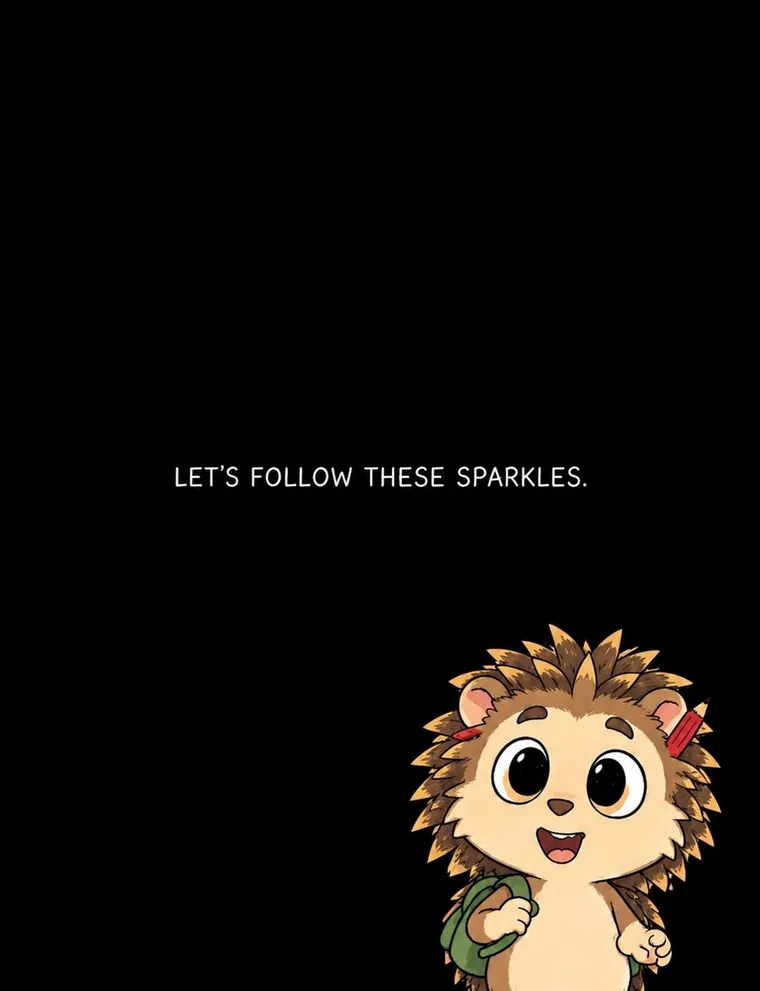
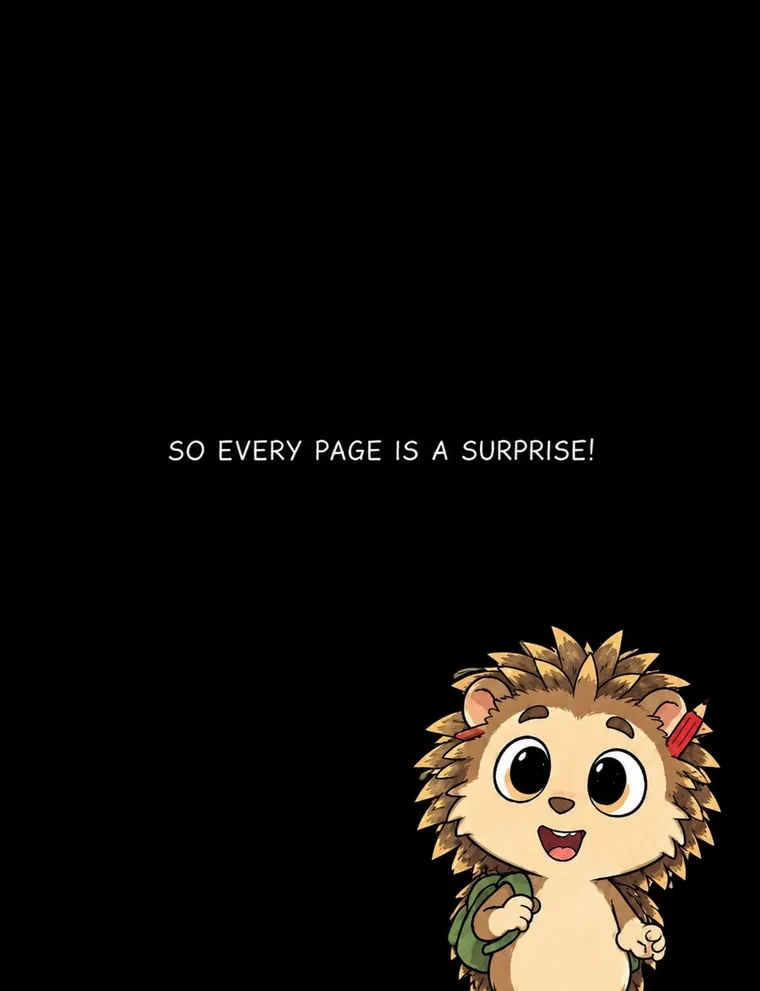
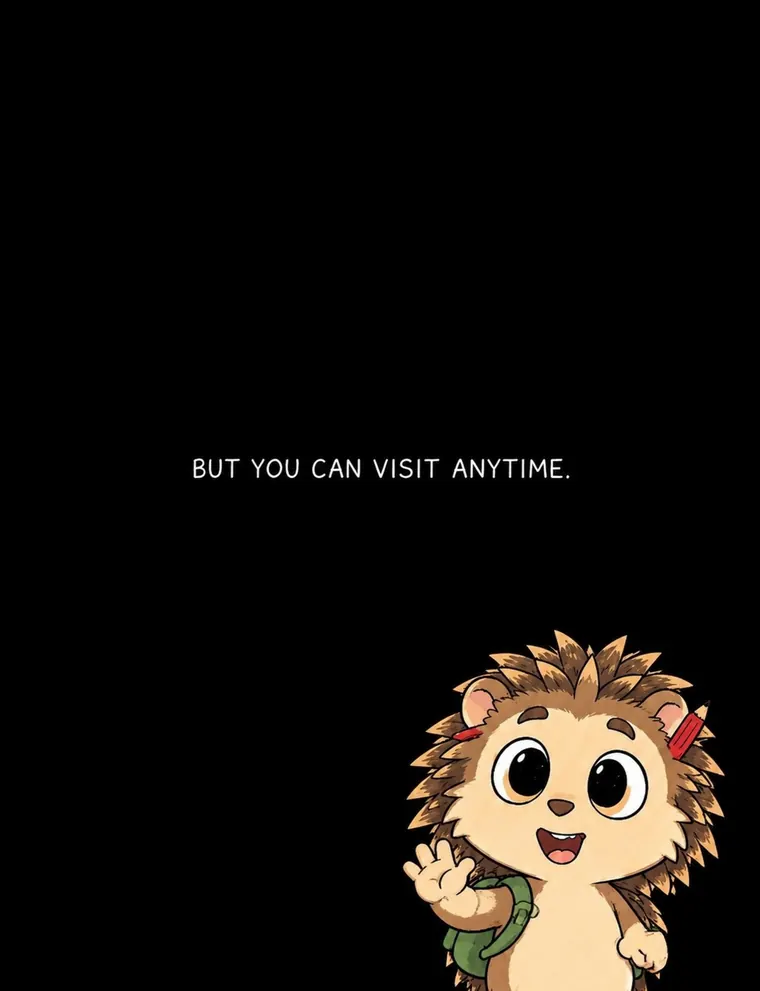
Page 1 of “The Little Hedgehog in Your Book”
Page 1
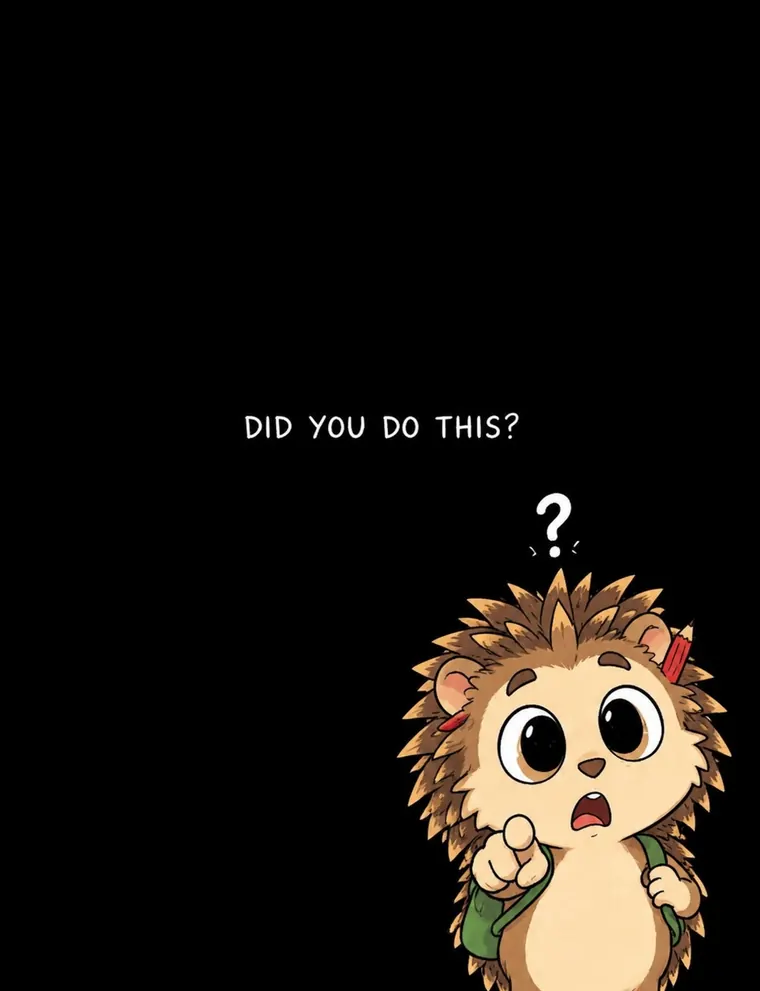
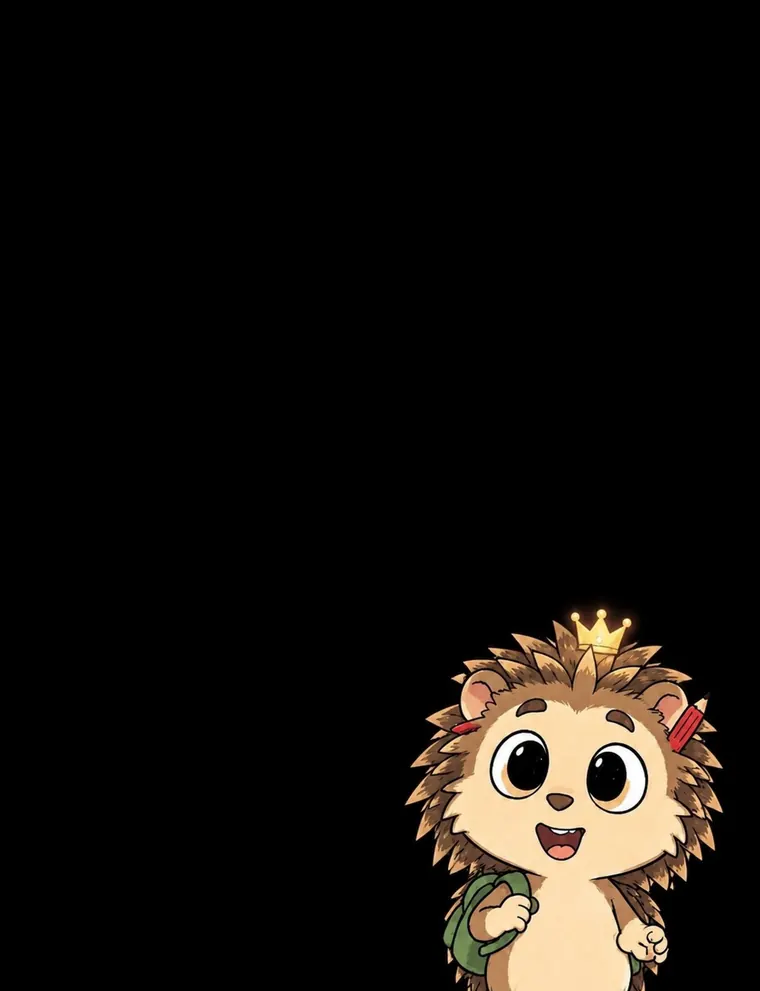
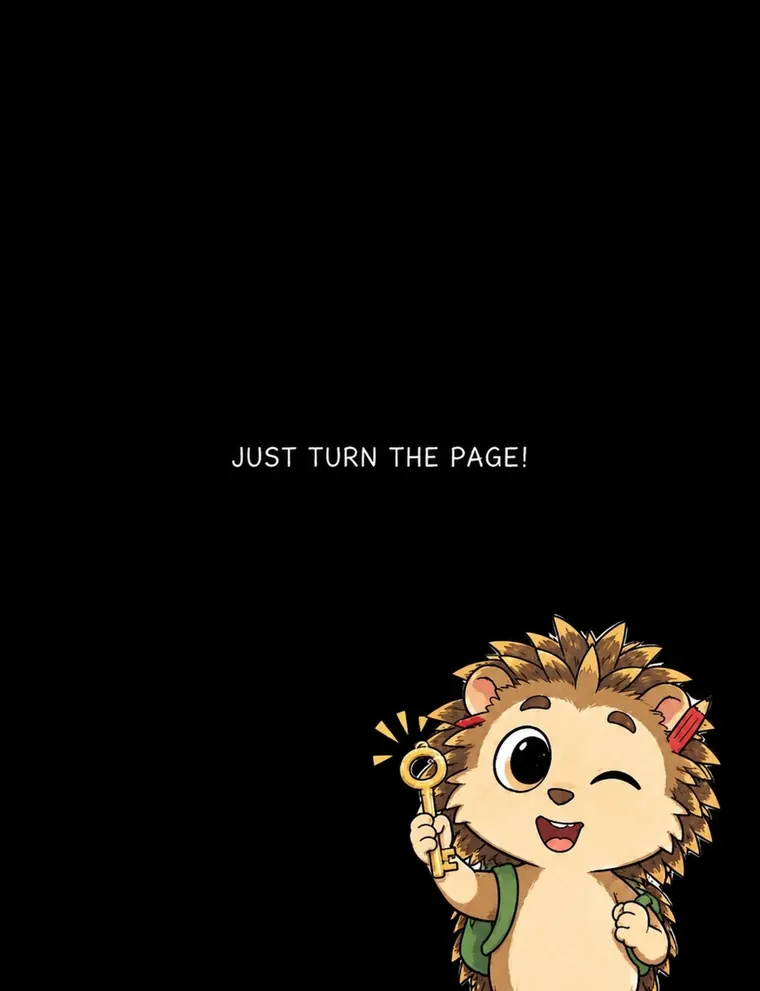
Page 2 of “The Little Hedgehog in Your Book”
Page 2
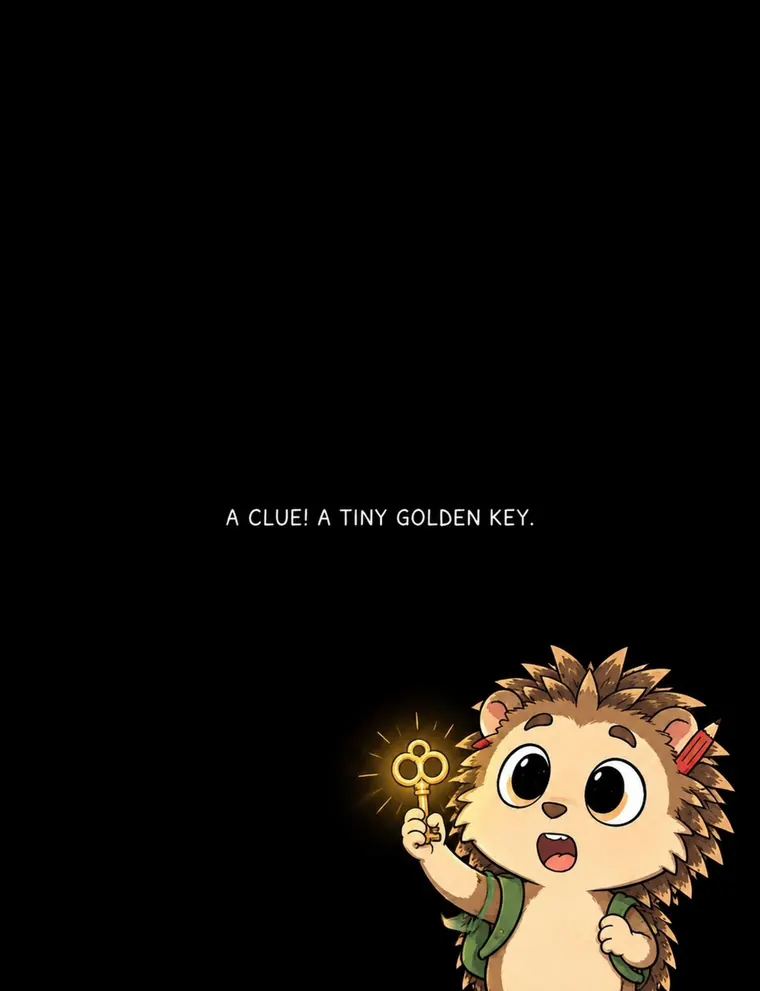
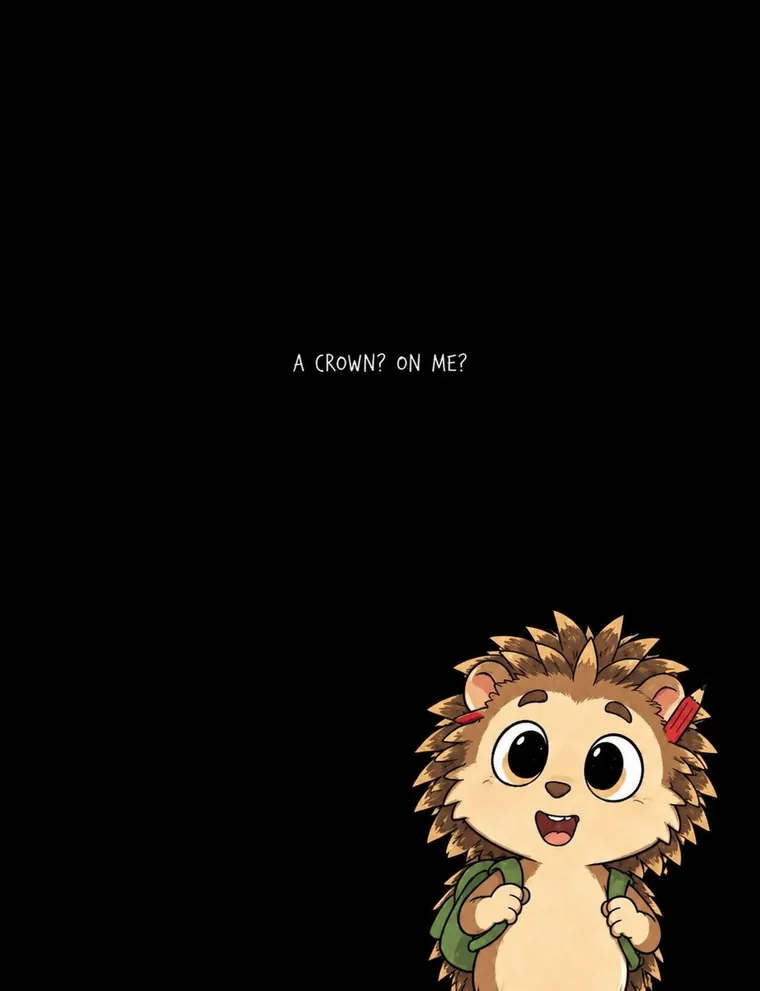
Page 3 of “The Little Hedgehog in Your Book”
Page 3
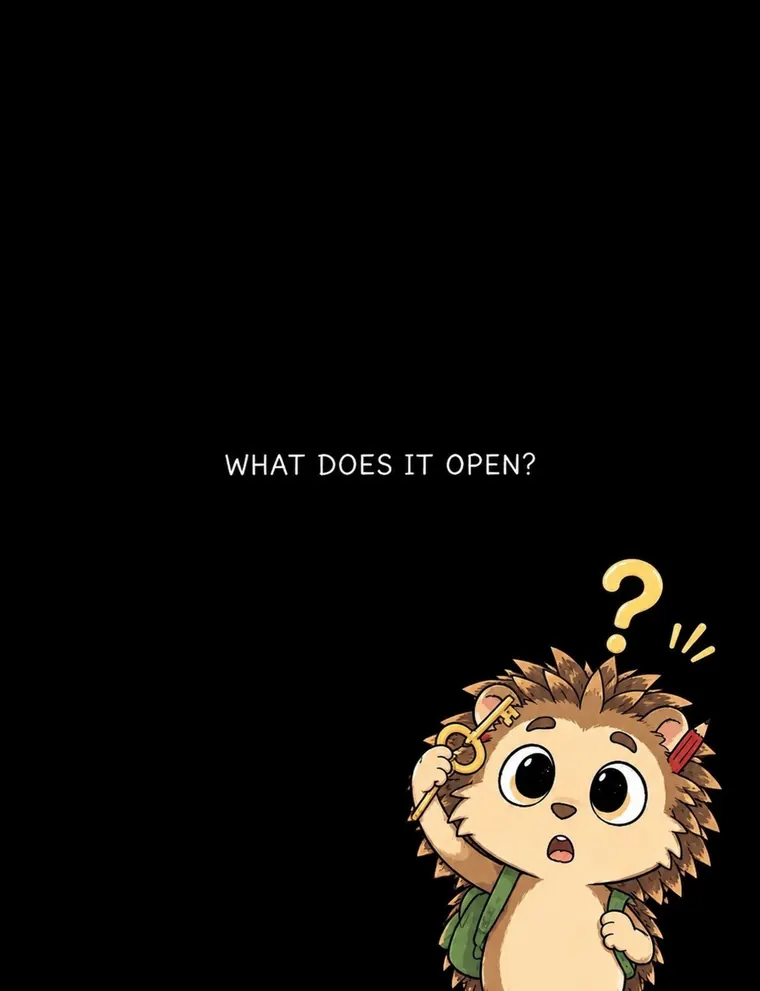
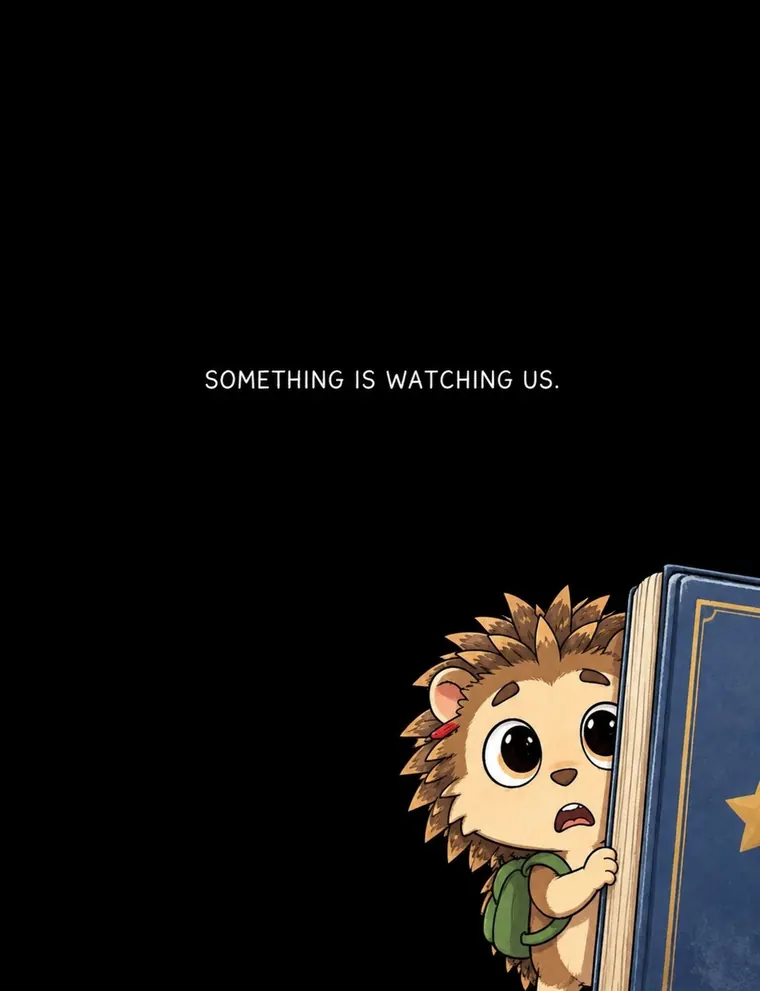
Page 4 of “The Little Hedgehog in Your Book”
Page 4
Page 5 of “The Little Hedgehog in Your Book”
Page 5
Page 6 of “The Little Hedgehog in Your Book”
Page 6
Page 7 of “The Little Hedgehog in Your Book”
Page 7
Page 8 of “The Little Hedgehog in Your Book”
Page 8
Page 9 of “The Little Hedgehog in Your Book”
Page 9
Page 10 of “The Little Hedgehog in Your Book”
Page 10
Page 11 of “The Little Hedgehog in Your Book”
Page 11
Page 12 of “The Little Hedgehog in Your Book”
Page 12
Page 13 of “The Little Hedgehog in Your Book”
Page 13
Page 14 of “The Little Hedgehog in Your Book”
Page 14
Page 15 of “The Little Hedgehog in Your Book”
Page 15
Page 16 of “The Little Hedgehog in Your Book”
Page 16
Page 17 of “The Little Hedgehog in Your Book”
Page 17
Page 18 of “The Little Hedgehog in Your Book”
Page 18
Page 19 of “The Little Hedgehog in Your Book”
Page 19
Page 20 of “The Little Hedgehog in Your Book”
Page 20
Page 21 of “The Little Hedgehog in Your Book”
Page 21
Page 22 of “The Little Hedgehog in Your Book”
Page 22
Page 23 of “The Little Hedgehog in Your Book”
Page 23
Page 24 of “The Little Hedgehog in Your Book”
Page 24
1 / 25All 24 pages are here
The new book the Studio made with it as a referenceThe Little Hedgehog in Your Book
What it takes from that book
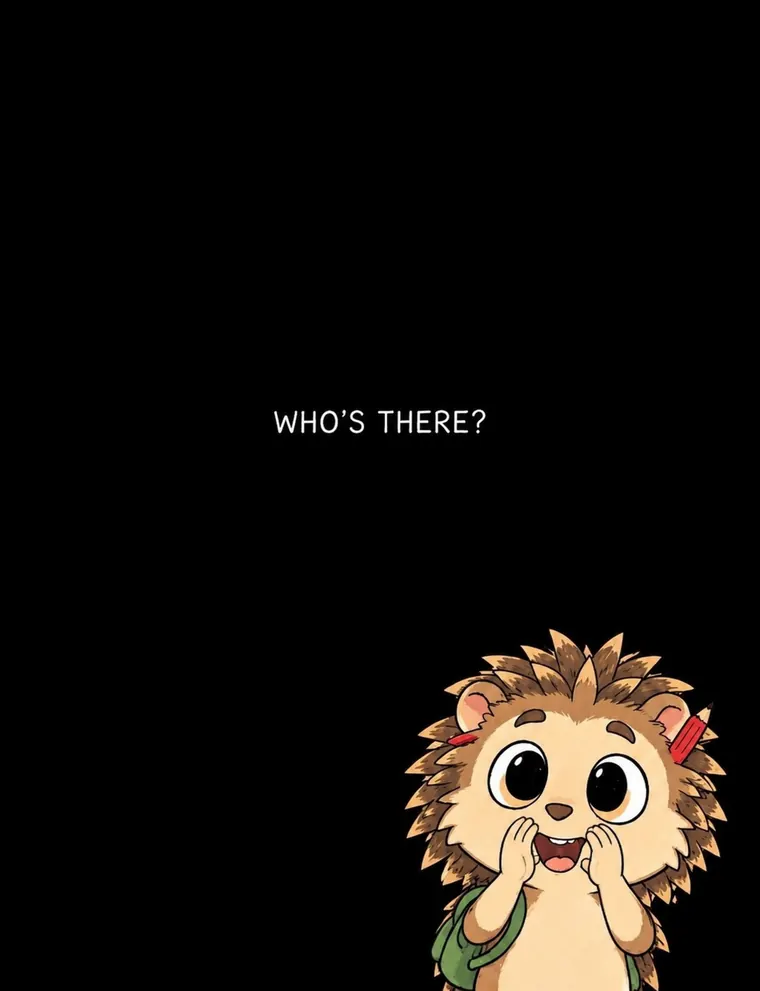
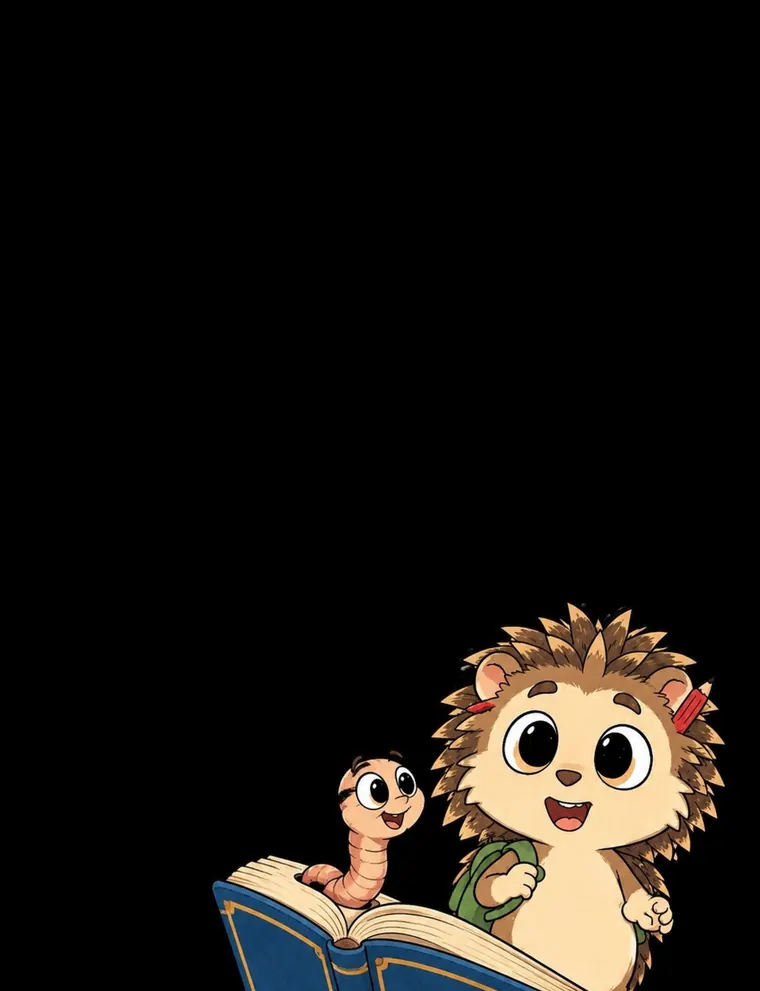
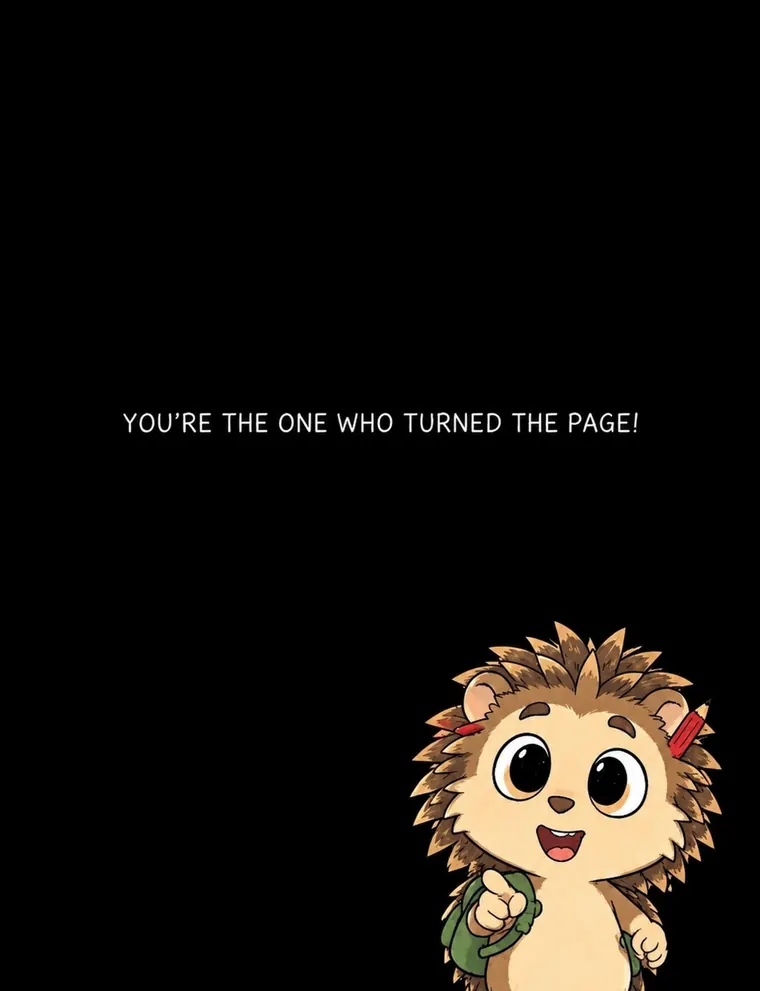
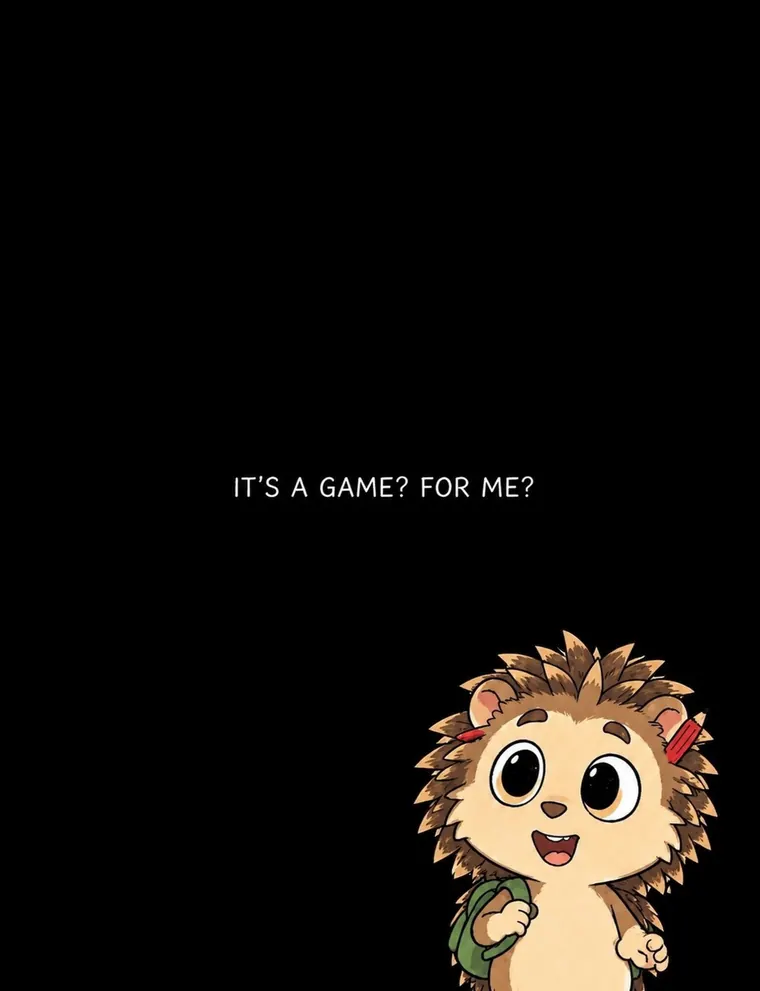
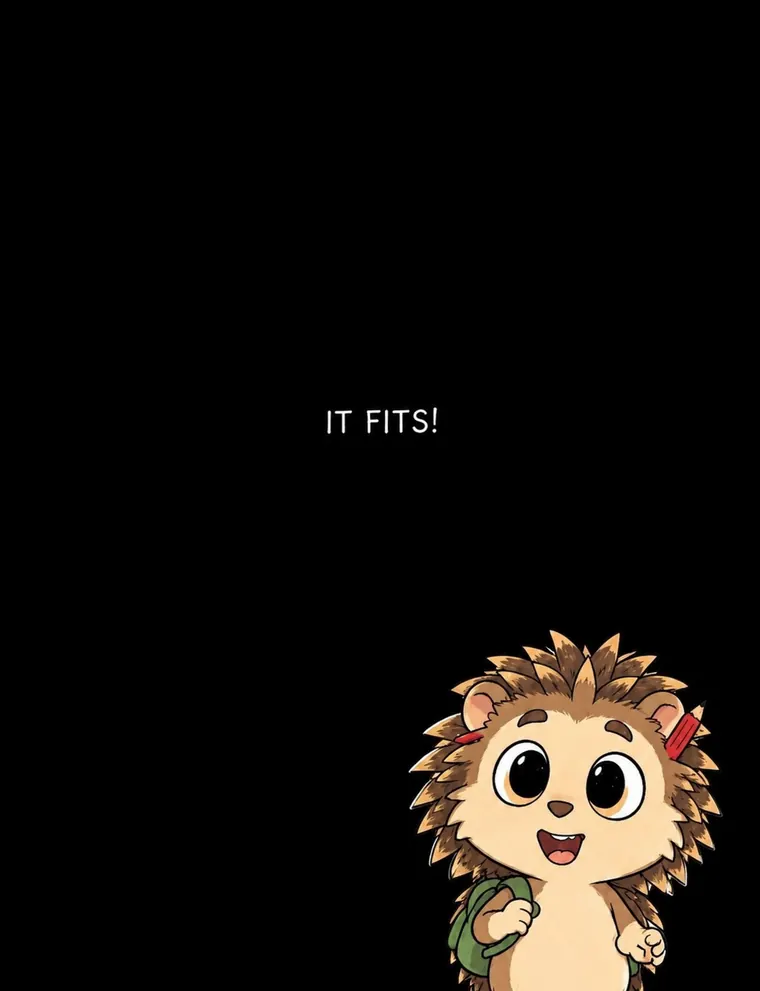
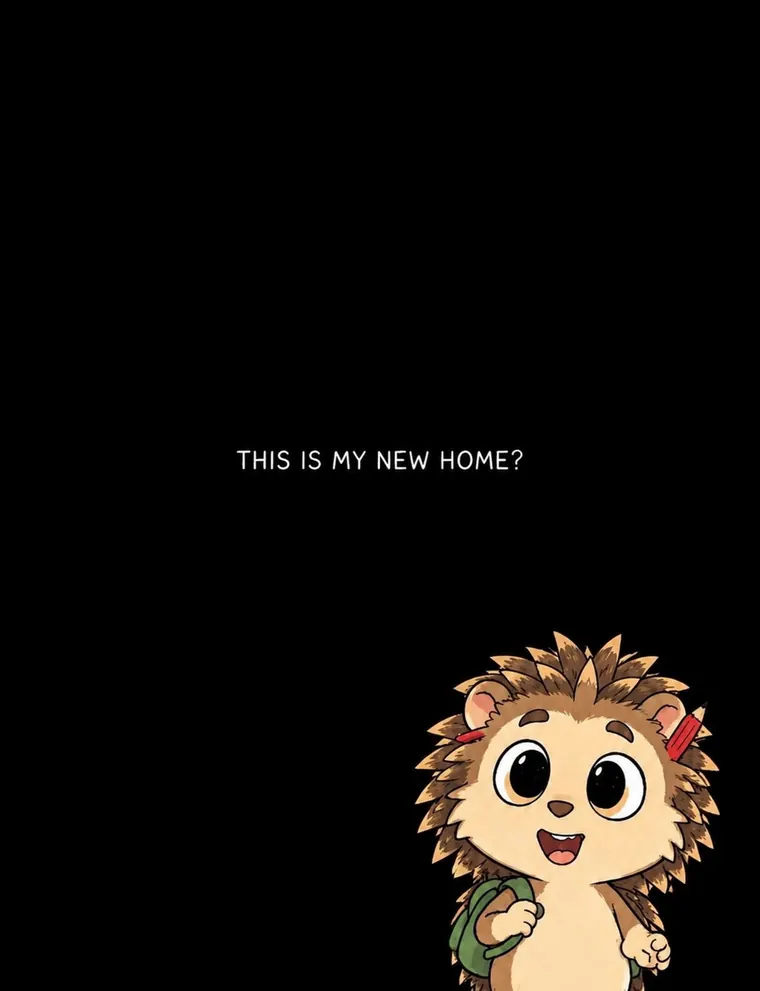
The idea the whole book runs on is kept: a small animal wakes up inside the book the child is holding, talks to the reader page after page, and the reader turning the page is part of the story. The pages are built the way the original builds them, as read off three pages of its public sample: a plain black page, one small figure in the lower right cut off by the bottom edge, one short line of small white capitals above it, and nothing else. The cover follows the source cover: one big-headed figure, large, in a blue glow on a dark ground under a stacked golden title.
Replaced with its own
The character is a brown hedgehog with a green backpack and a red pencil behind his ear, not a white cat with a red ribbon. What he finds (a golden key, a tiny crown, a trail of sparkles) and how it ends are new, like the title and every line: none of the sentences on the original's pages is used. The words are drawn into each picture by the image model and read back for spelling.

On the left is a book on sale on Amazon.com. Its cover and title belong to its author and are shown for comparison only; monthly sales are KDPTop's estimate on 2026-11-24. On the right is the new book the Studio made after reading that book's page, which you can leaf through from cover to last page: real output, only made smaller.

Sample books made to what buyers search for

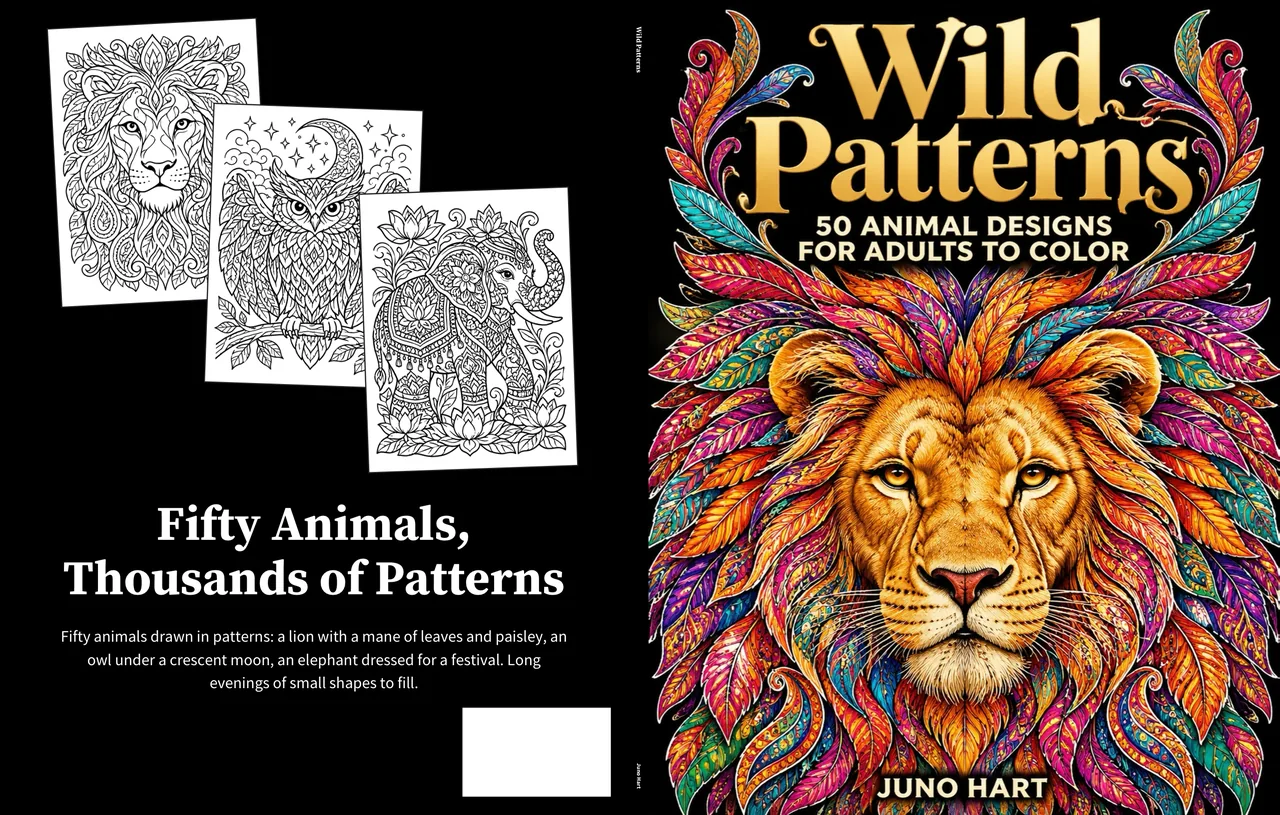
Each one starts from a phrase in the keyword library that people are searching, and its title, cover, pages and back cover follow that phrase. The large picture is the whole cover sheet as the Studio exports it. The back uses one of 26 templates, and the pages on it are the book's own.

The whole cover sheet of Wild Patterns as the Studio exports it: back cover with inside pages, spine and front cover
Back coverSpineCover
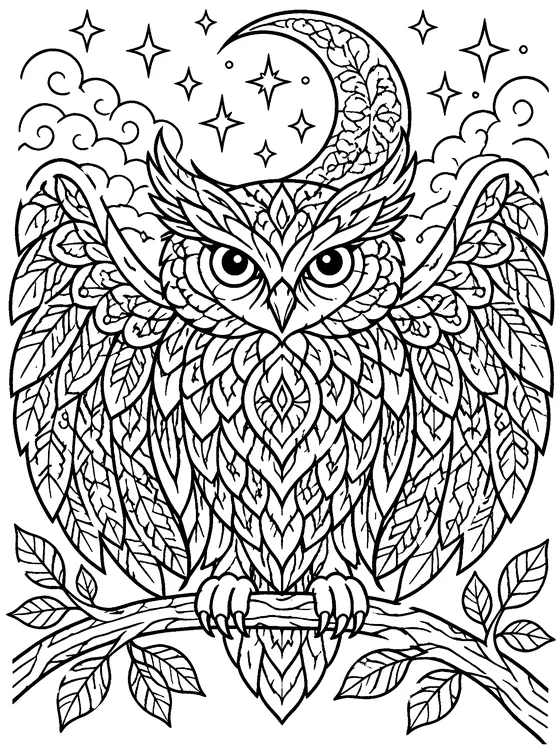
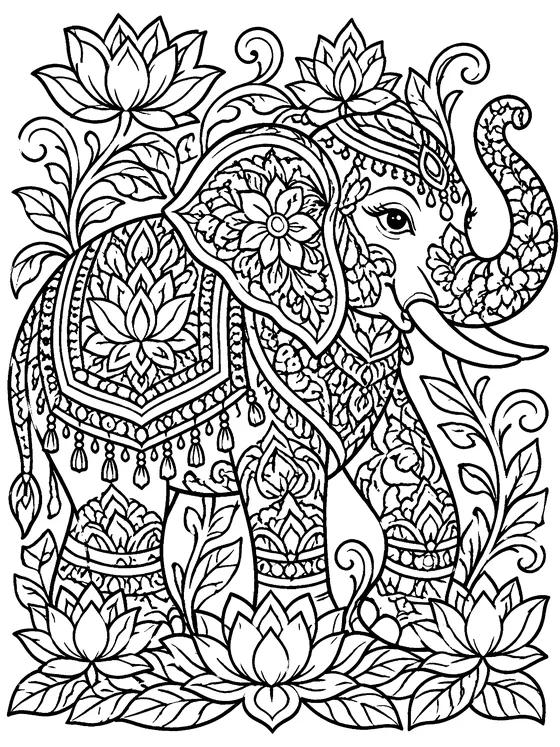
Coloring page: a lion seen from the front, its mane made of leaves and paisley patternsColoring page: an owl with patterned feathers on a branch under a crescent moonColoring page: an elephant in a patterned festival blanket among lotus flowers

Adult coloring book, 8.5 × 11 in

Wild Patterns

50 Animal Designs for Adults to Color

Buyers search "animal coloring book"
11,450searches a monthup 16% on a year ago
Buyers search "adult coloring book"
346,420searches a month

The hook is the cover: a lion in every color on solid black, which stops the eye in a row of pale covers. Inside, each animal is filled with patterns, so one page is an evening of coloring.

Back cover: the "Stairs" template with its own headline

Search volumes are estimates from KDPTop's keyword library for Amazon US, 2026-11; they are not sales. The pictures are real Studio output and exported covers, resized only.

What it makes today

Children's picture books

A story written page by page, a sheet for every character so that each looks the same from the first page to the last, and full-color pictures with the words drawn in and read back for spelling, or set by code. Out come a full-bleed interior PDF, the cover PDF and a fixed-layout EPUB for Kindle.

How a picture book is made
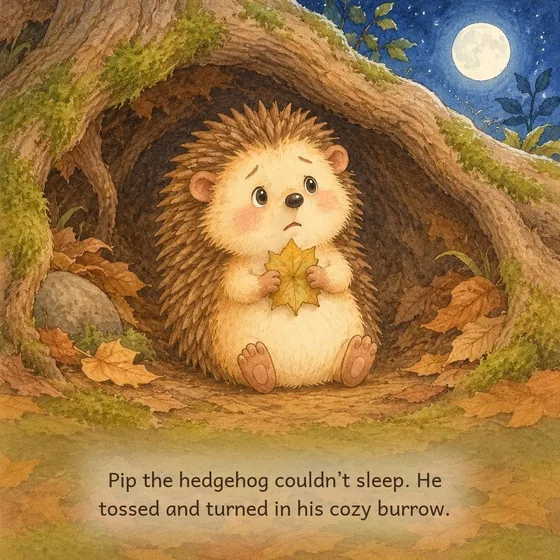
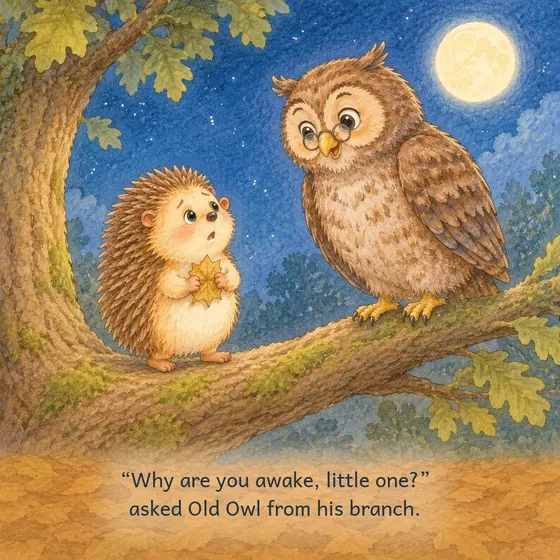
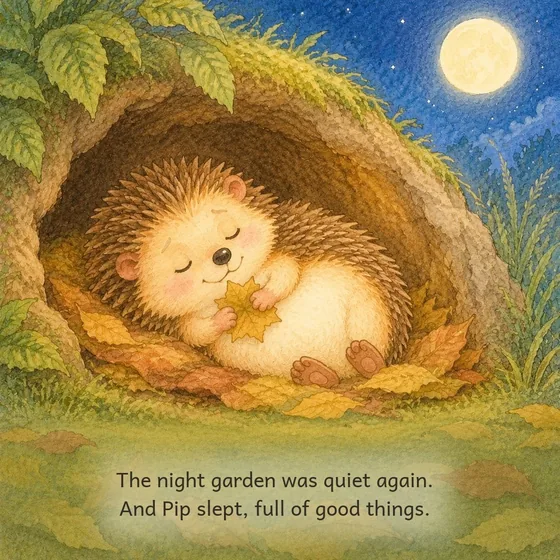
Front cover made in the Studio: Pip the Hedgehog's Goodnight GardenPicture book page: Pip the hedgehog in his nest under the moon, the words of the page set along the bottomPicture book page: Old Owl on a low branch talking to Pip, the same two characters as on every other page

Comic books

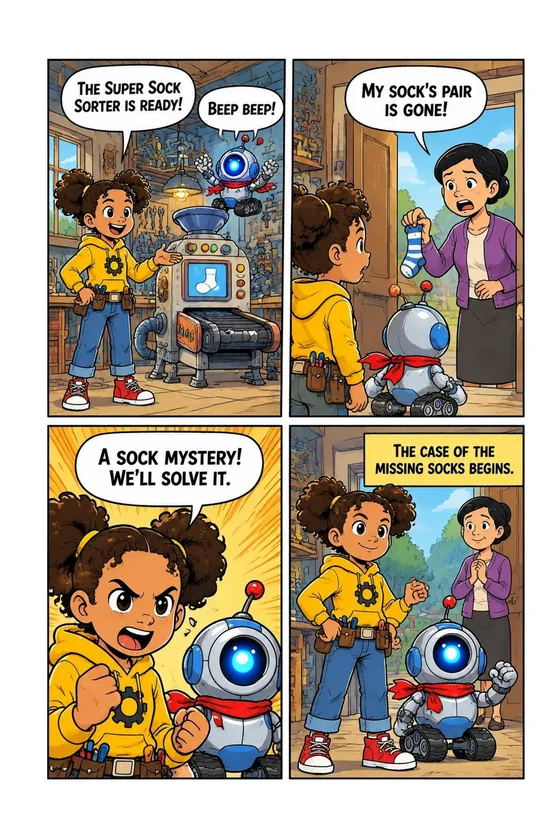
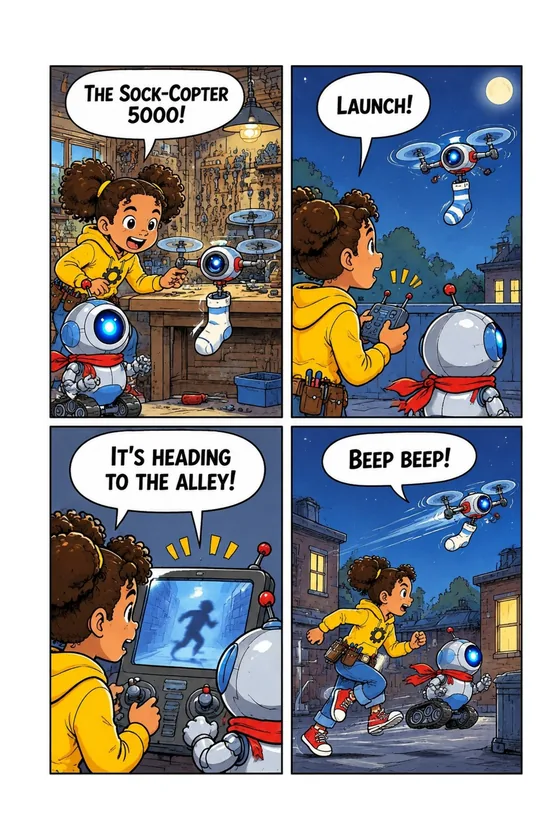
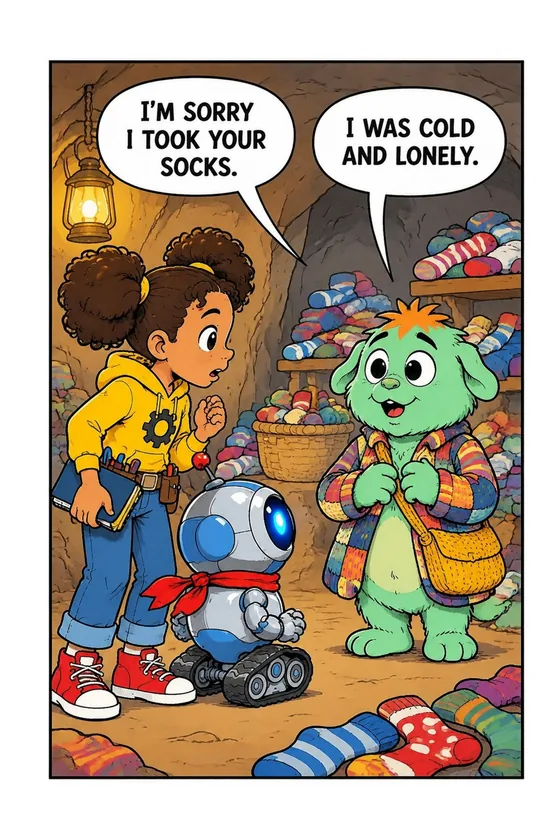
The script is written panel by panel, then each page is drawn whole: panels, speech balloons and captions. A second model reads every balloon back against the script, and a page that differs is redrawn at no charge. Eight looks, in color or in black and white.

How a comic book is made
Front cover made in the Studio: The Sock Snatcher of Sunbeam StreetComic page with four panels: a girl and her robot find that socks have gone missingComic page with one large panel: the sock snatcher says sorry

Illustrated chapter books

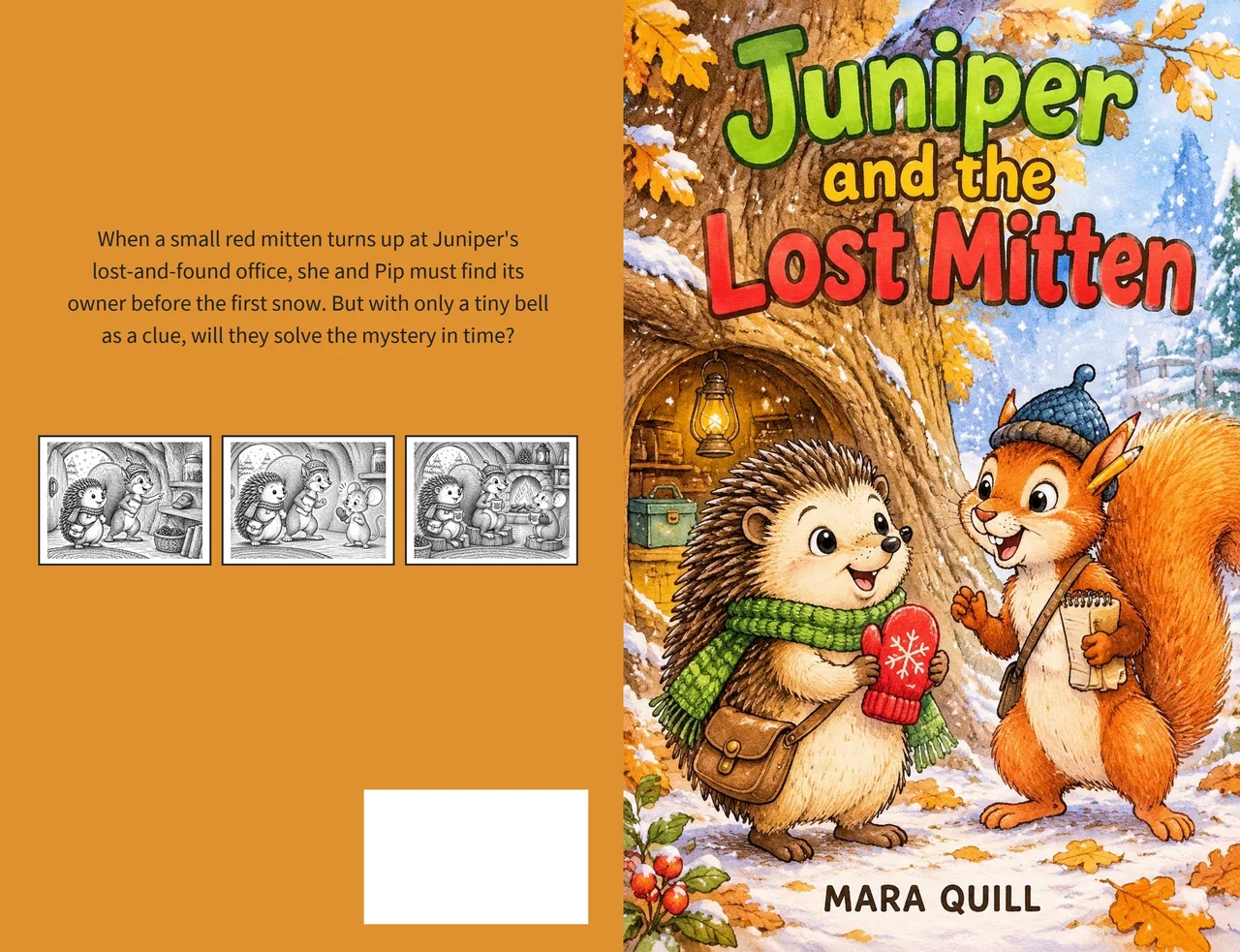
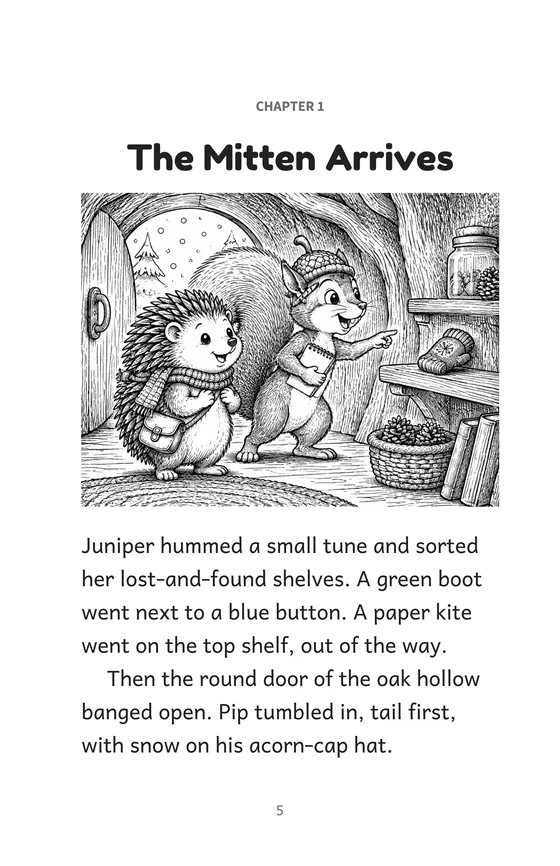
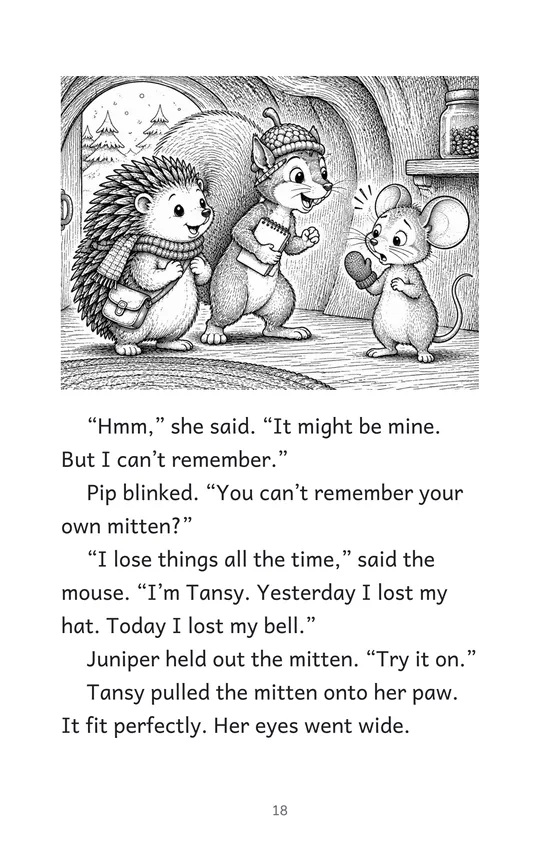
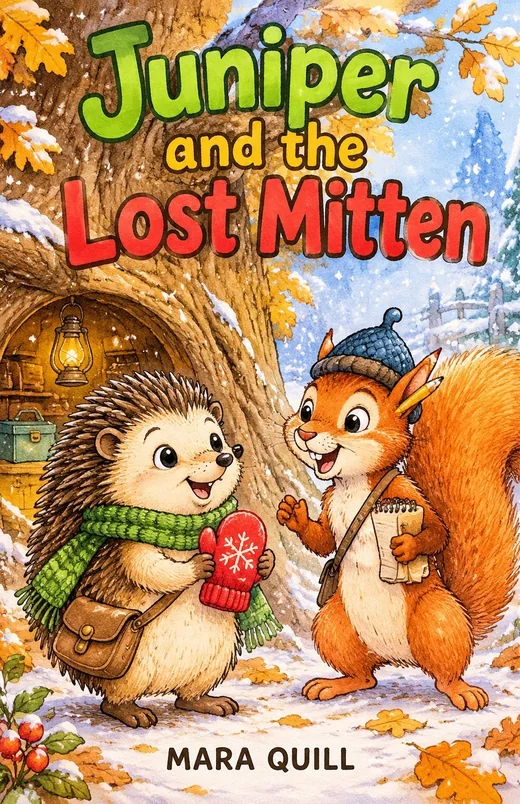
The books a child reads alone after picture books. The outline comes first, then the chapters one by one, each counted against the reading level: words a chapter, sentence length. The pictures follow the character sheets and carry no words. Contents, chapter openings and page numbers are set by code, and the Kindle edition is a reflowable EPUB.

How a chapter book is made
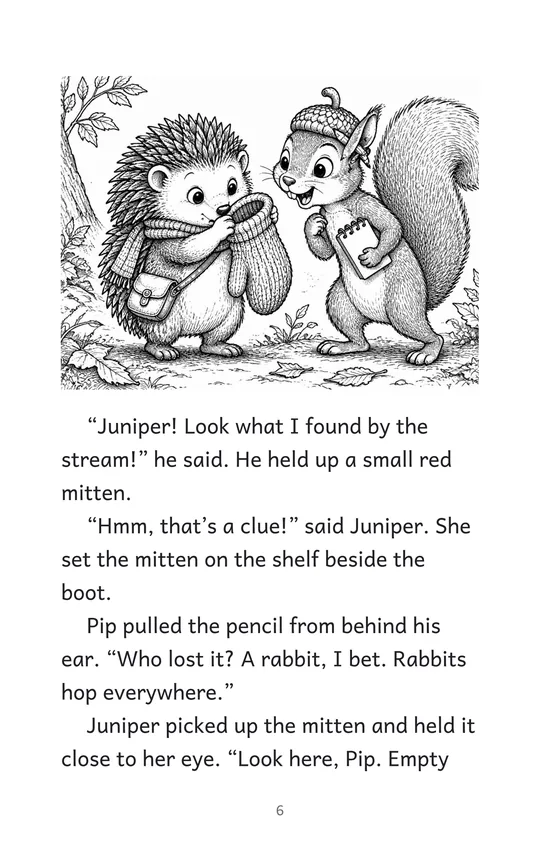
Front cover made in the Studio: Juniper and the Lost MittenFirst page of chapter 1: the chapter title, a half-page ink drawing of a hedgehog and a squirrel in an oak hollow, and the text in large typeText page with a half-page ink drawing on top: the hedgehog holds up a small mitten

Coloring books

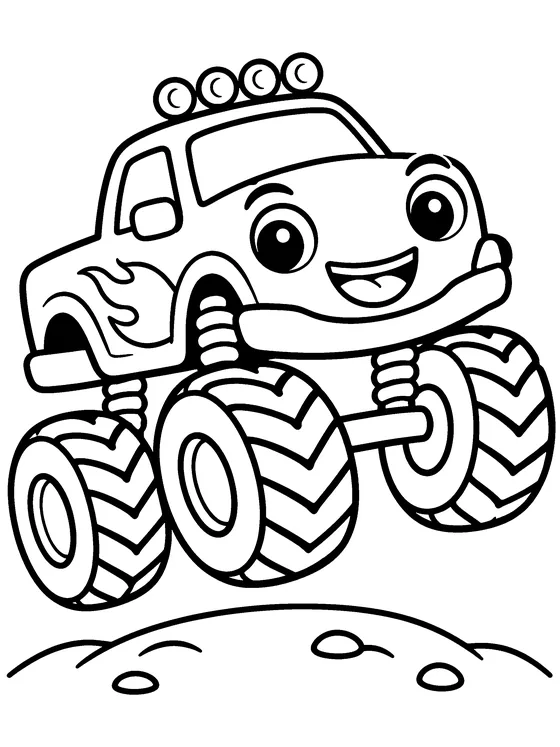
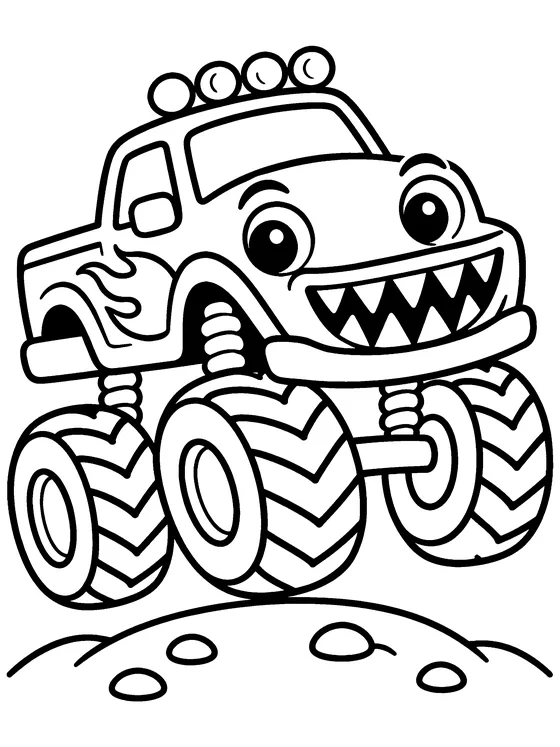
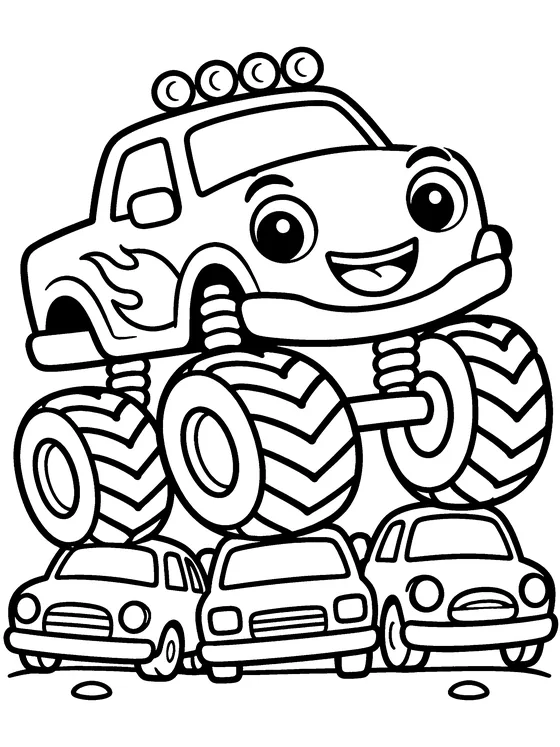
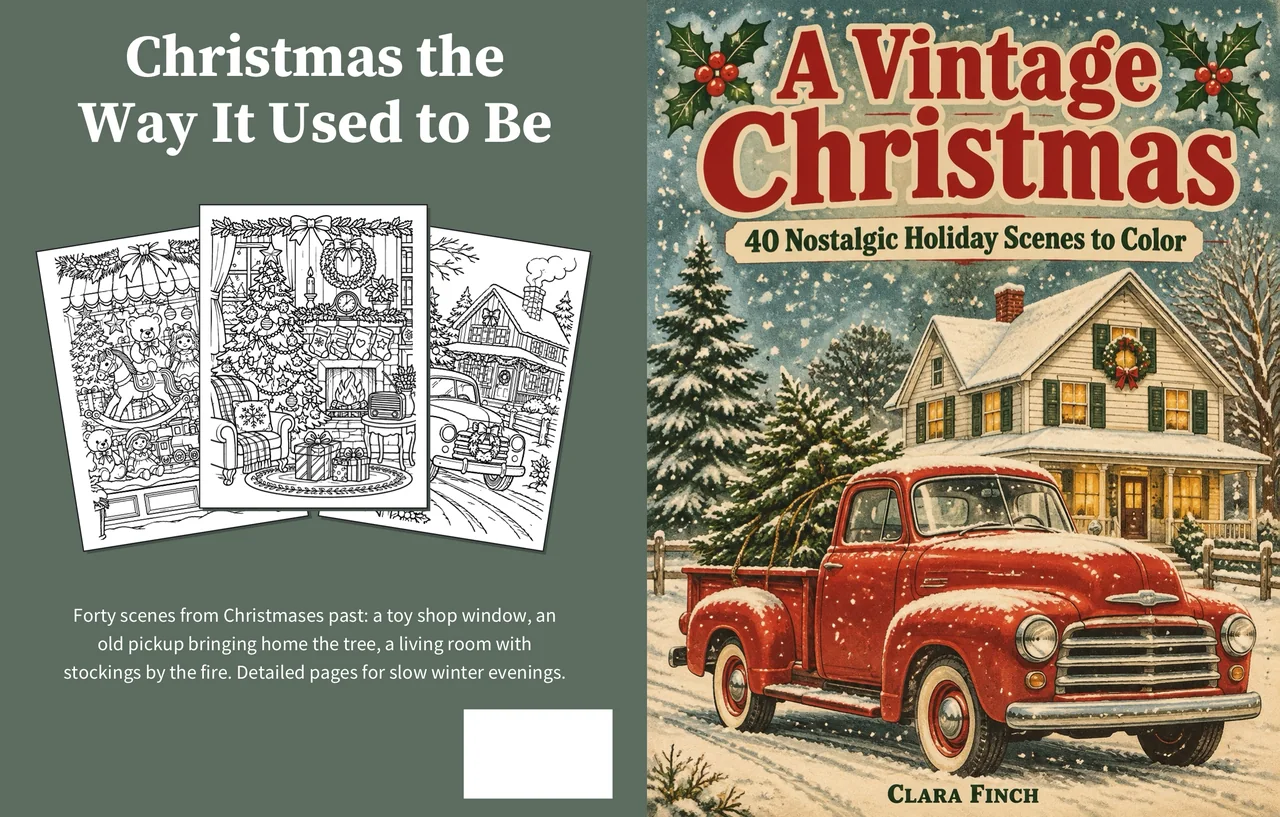
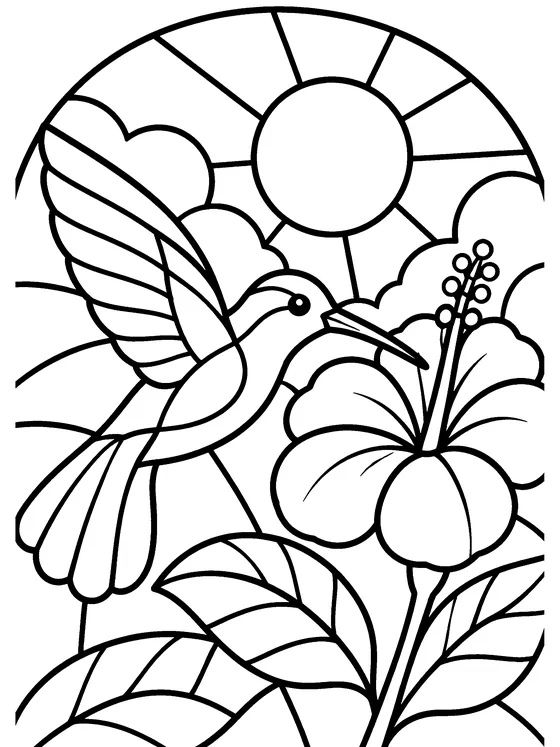
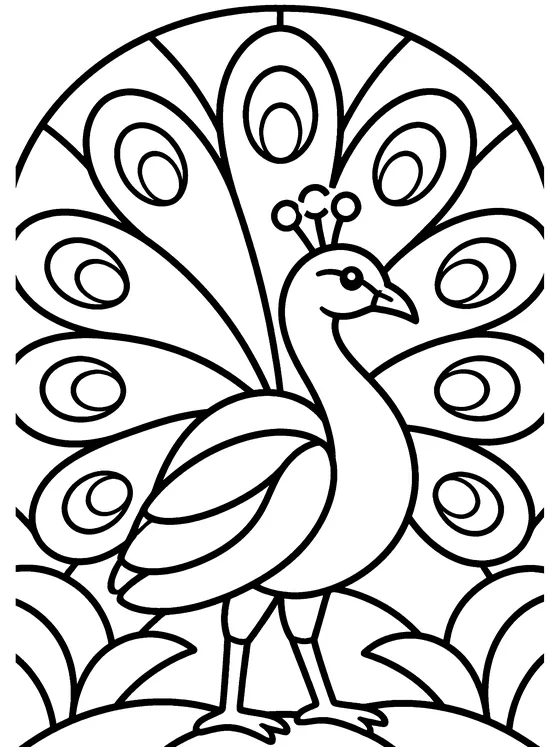
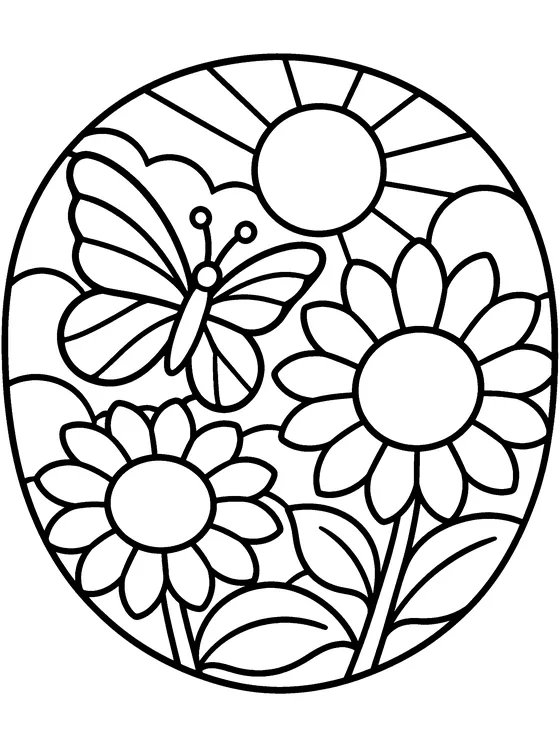
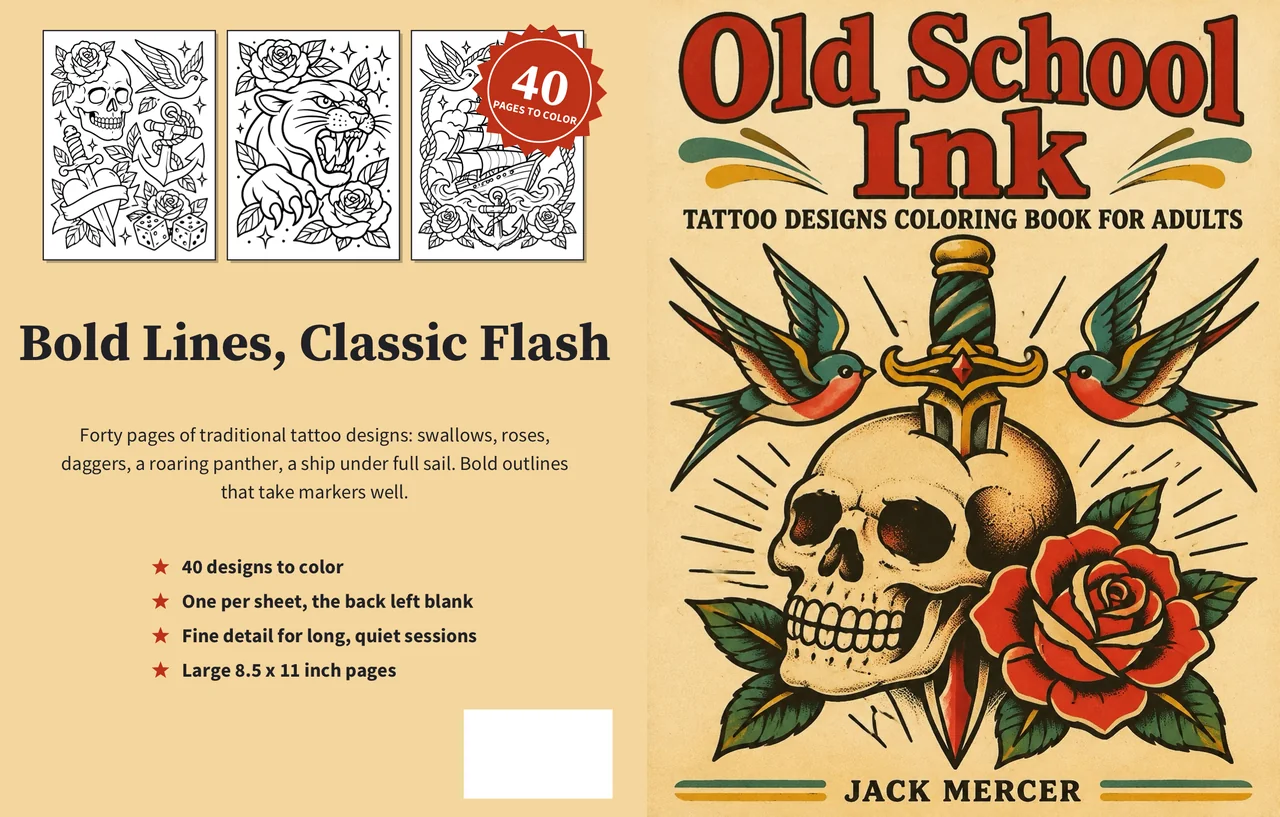
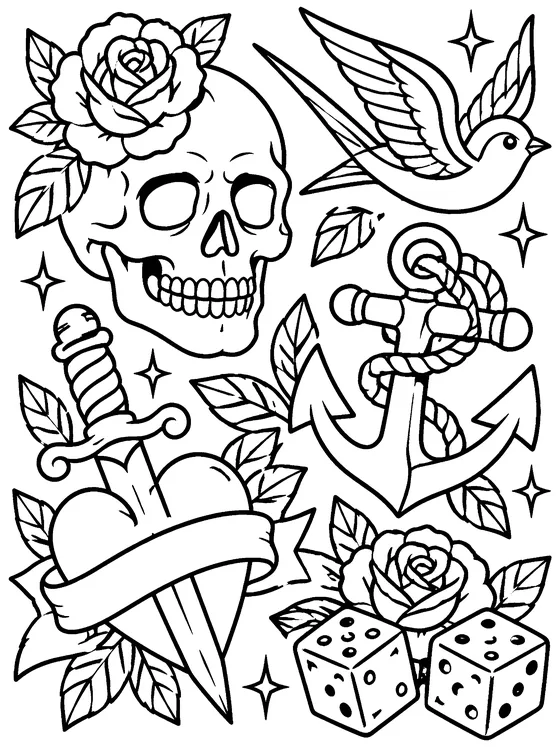
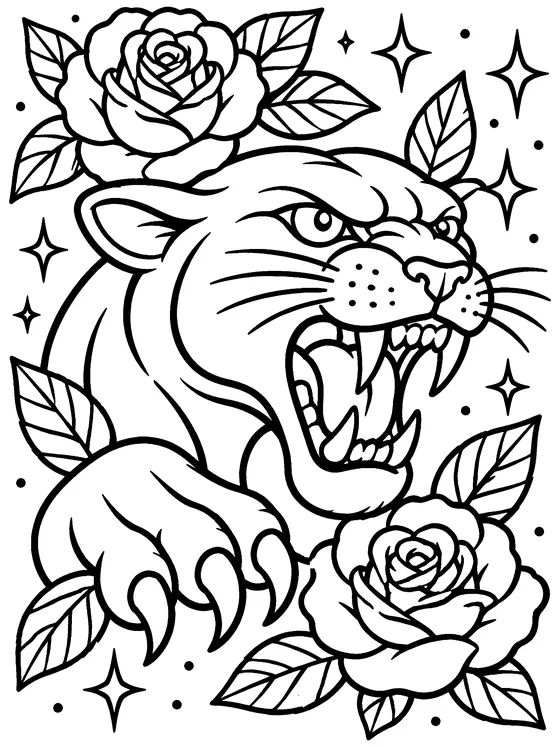
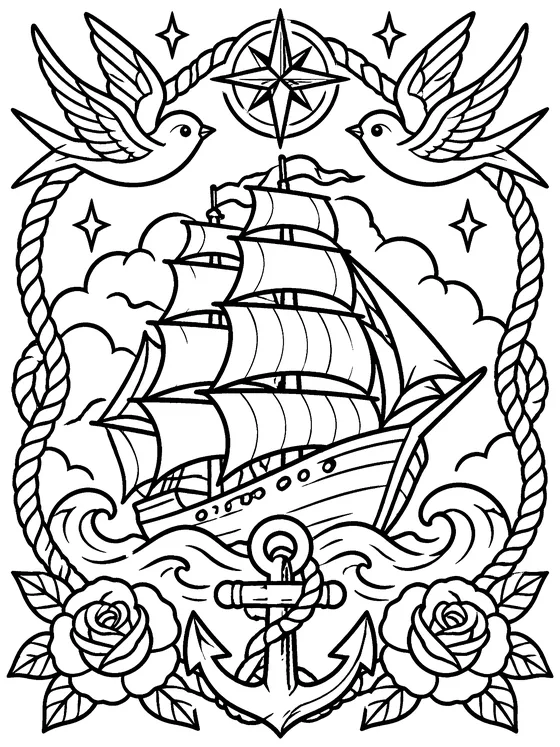
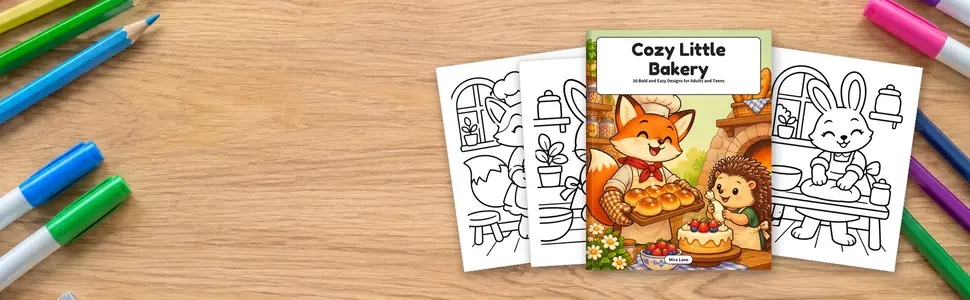
Write a topic and pick one of fourteen line styles, each shown with a real page, for adults, teens or children. The Studio writes what each page shows, you edit it, three sample pages are drawn first, and the rest follow the first page so the whole book looks like one hand drew it. Every page is checked: no gray shading, no large black fills, no lines too thin to print.

How a coloring book is made
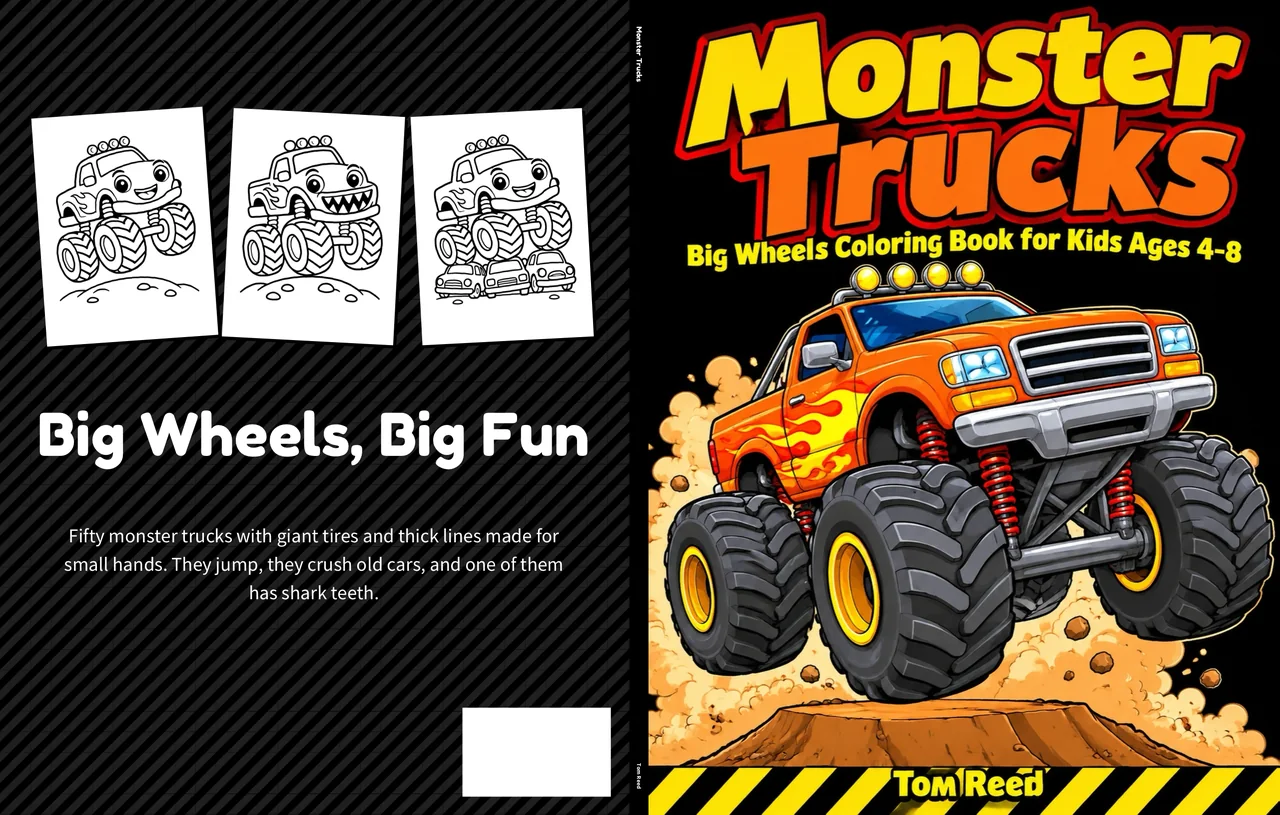
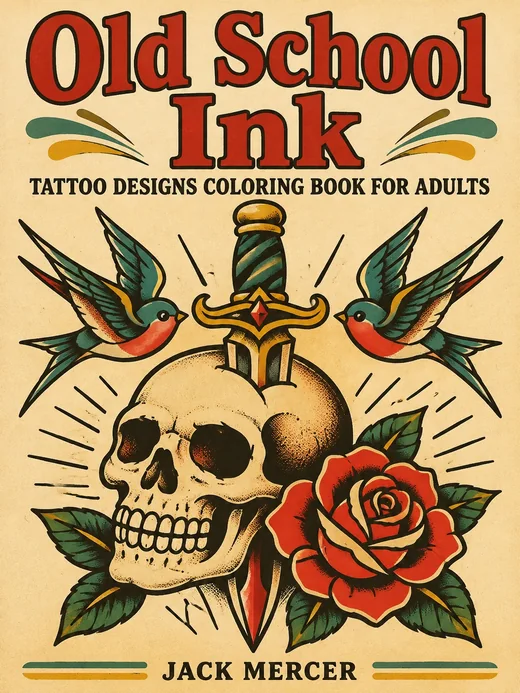
Front cover made in the Studio: Old School InkColoring page: an owl with patterned feathers on a branch under a crescent moonColoring page: a monster truck with shark teeth painted on its front

Color by number books

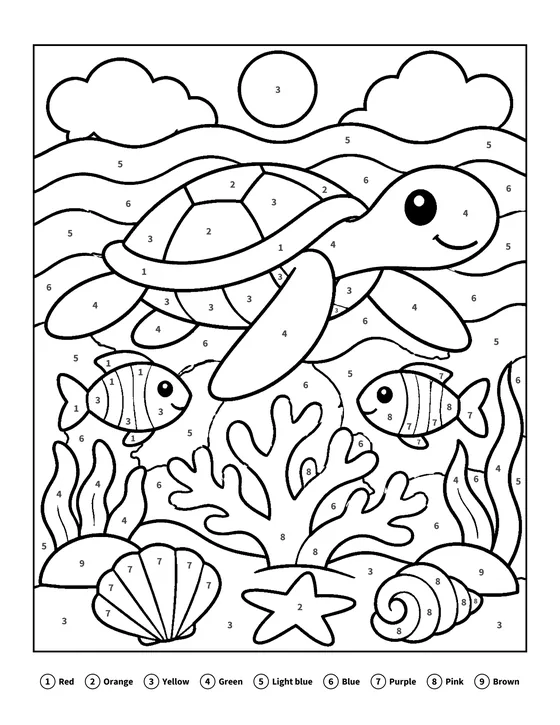
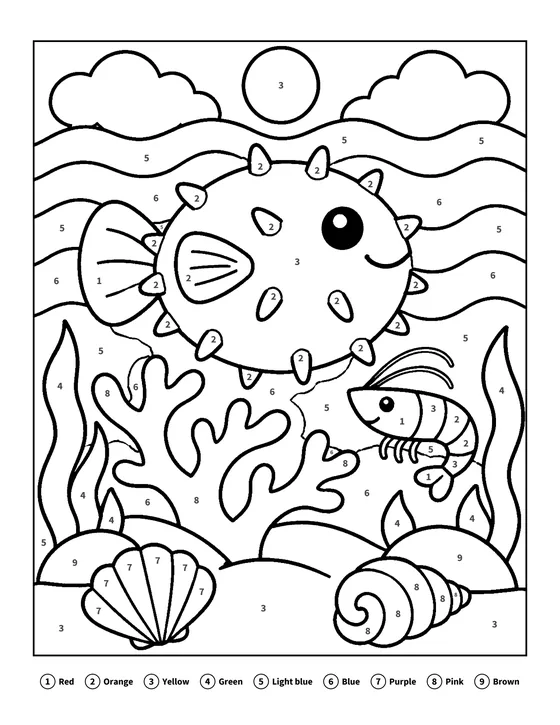
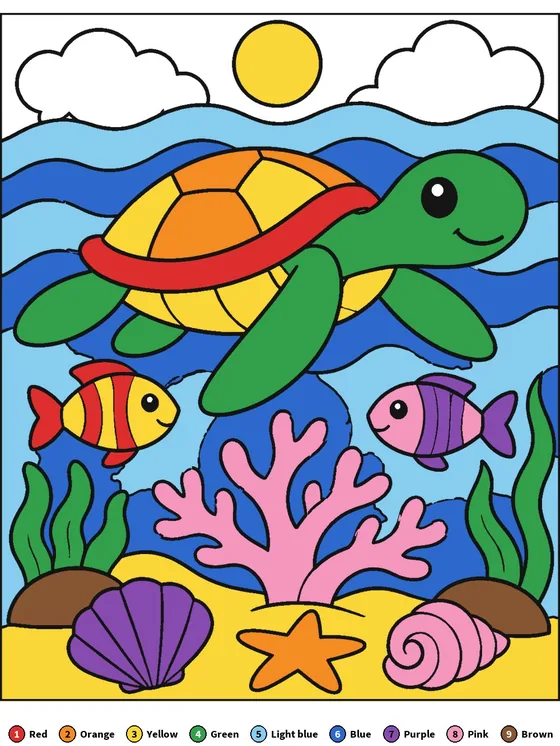
The model paints the finished picture; code reads the outlines, the numbered areas and the color key from it, so a number always stands for the color the area really has. Sets of 6, 9 or 12 colors hold through the whole book, and every page has a colored version to show buyers.

How a color by number book is made
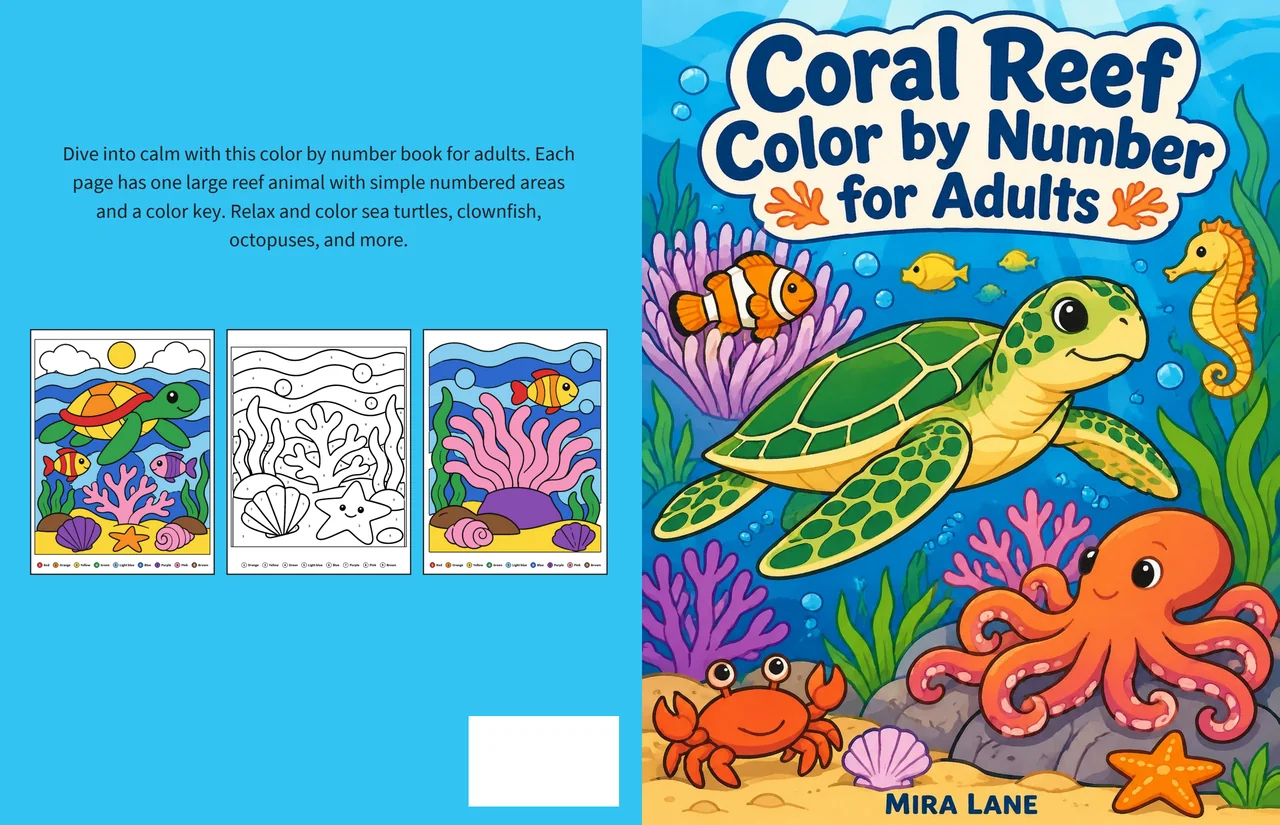
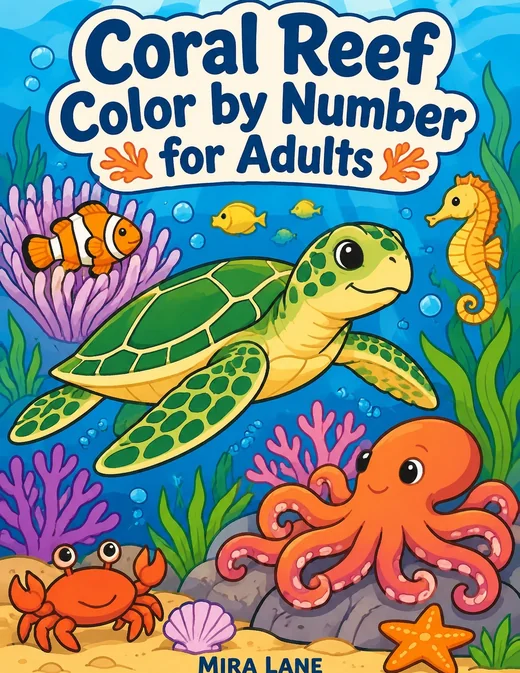
Front cover made in the Studio: Coral Reef Color by Number for AdultsColor by number page: a sea turtle over a reef, every area numbered, the color key under the pictureThe same sea turtle page with every area filled in the color of its number

Word search books

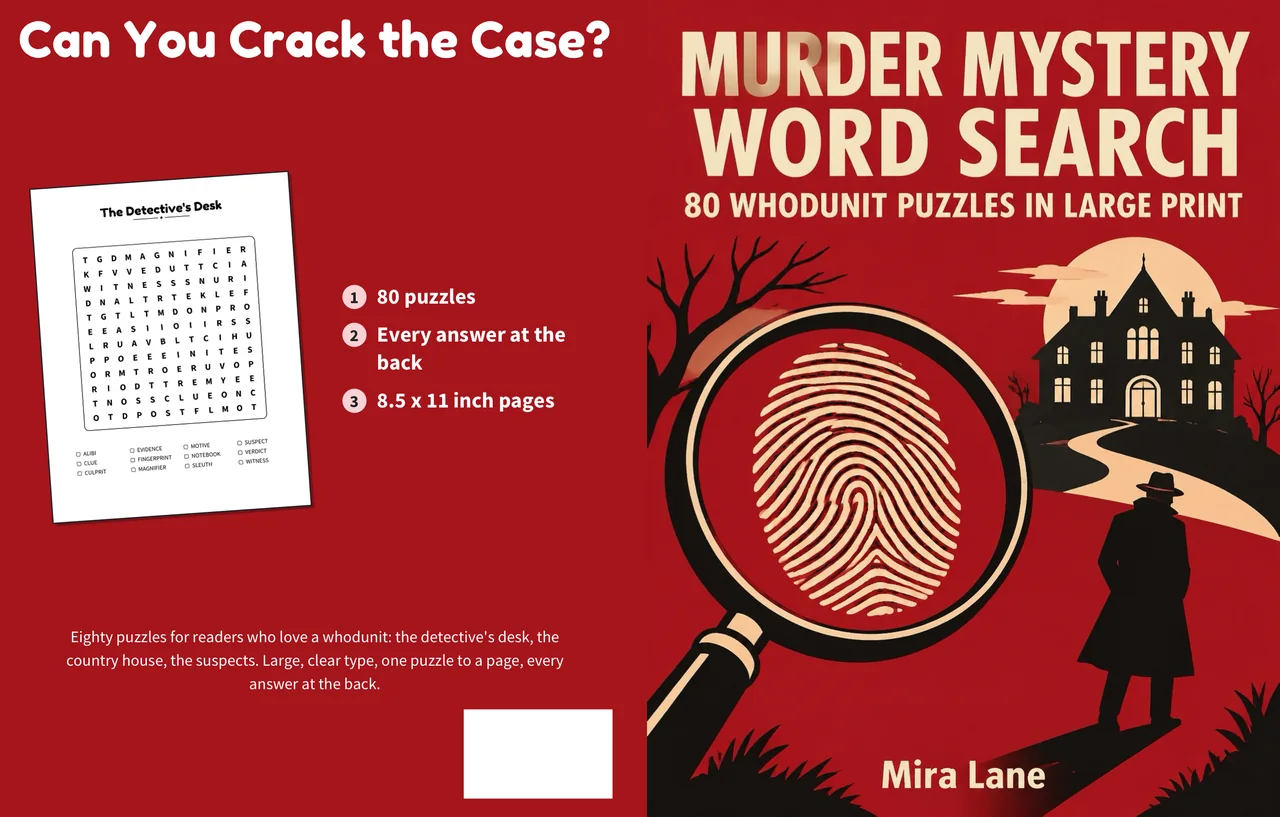
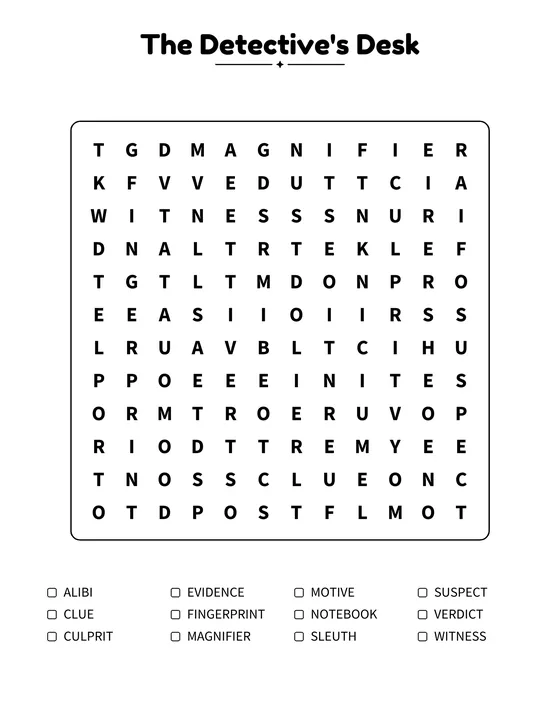
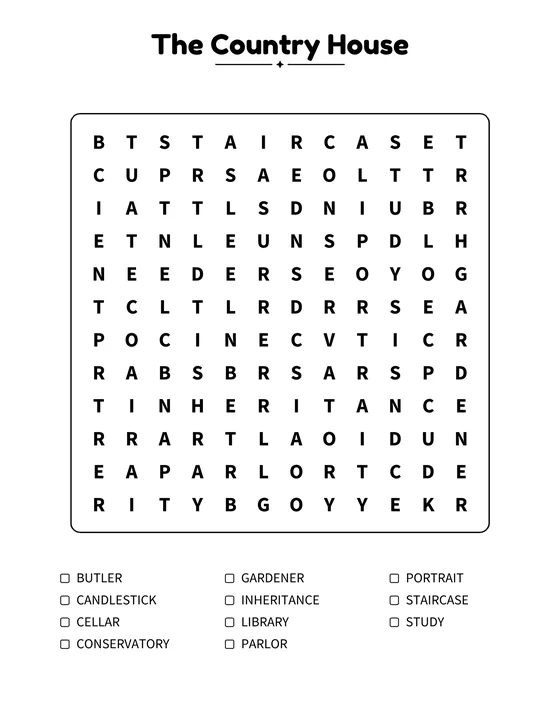
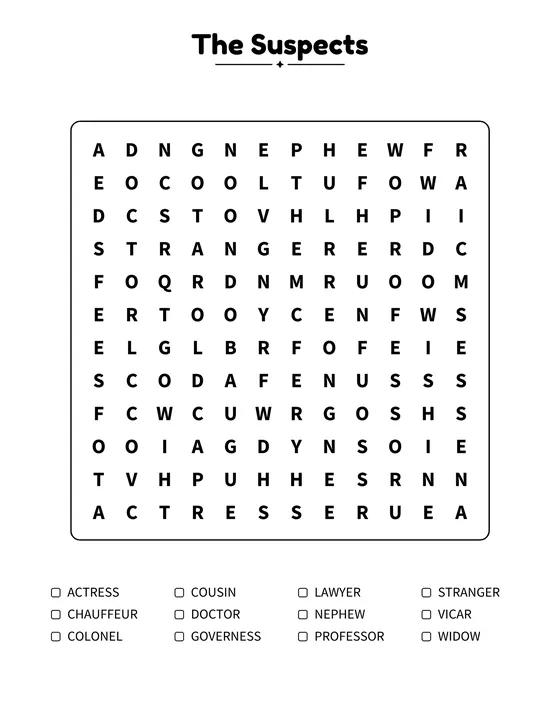
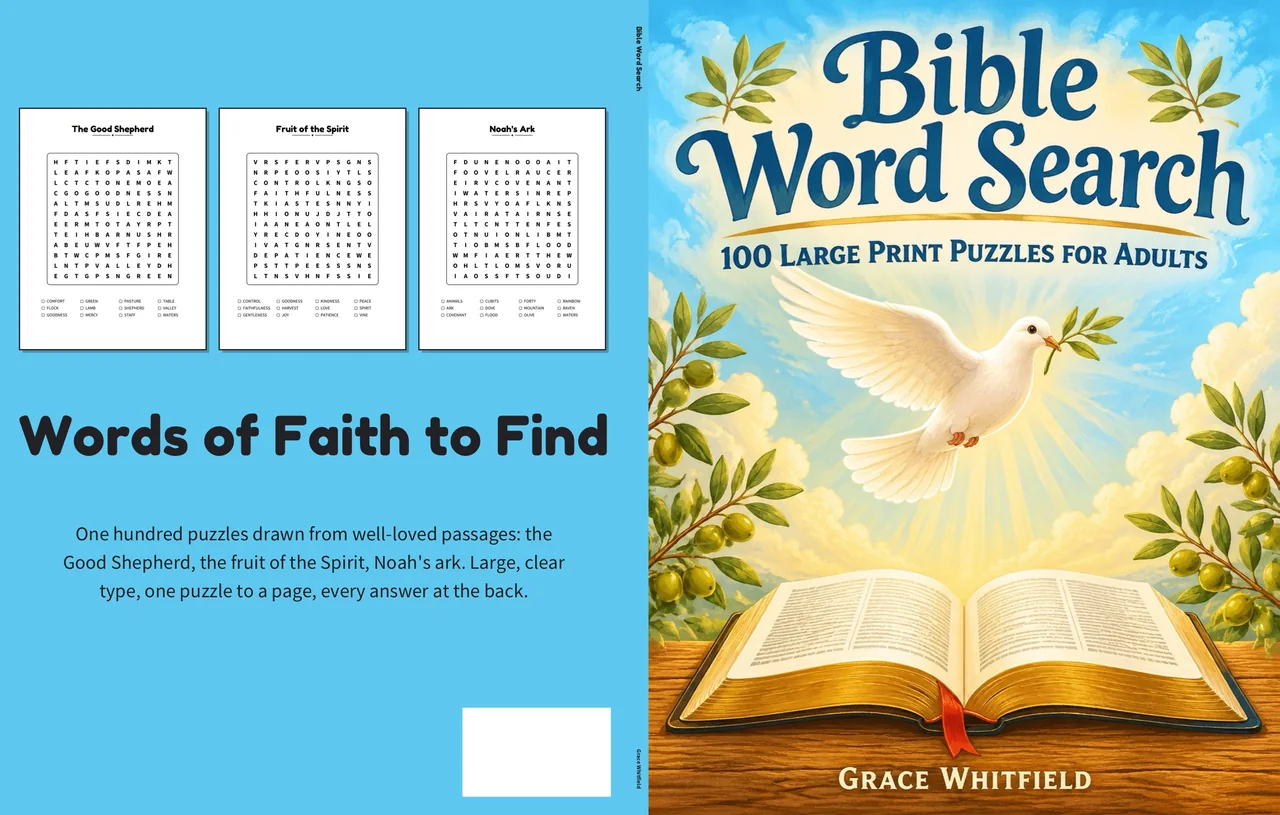
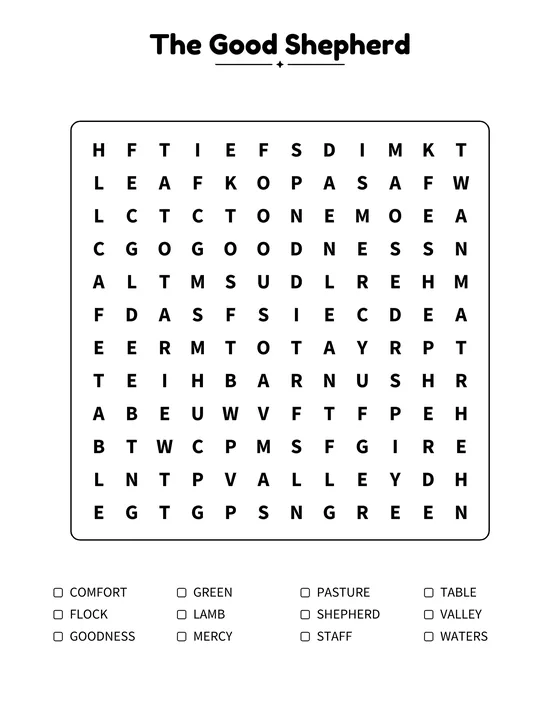
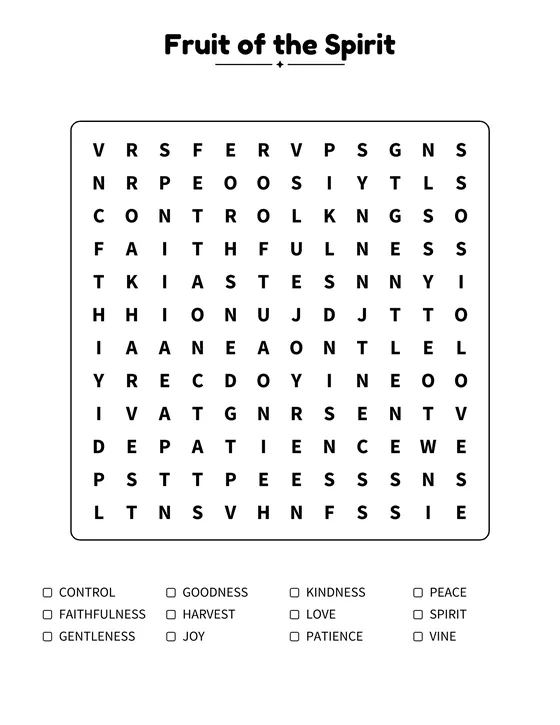
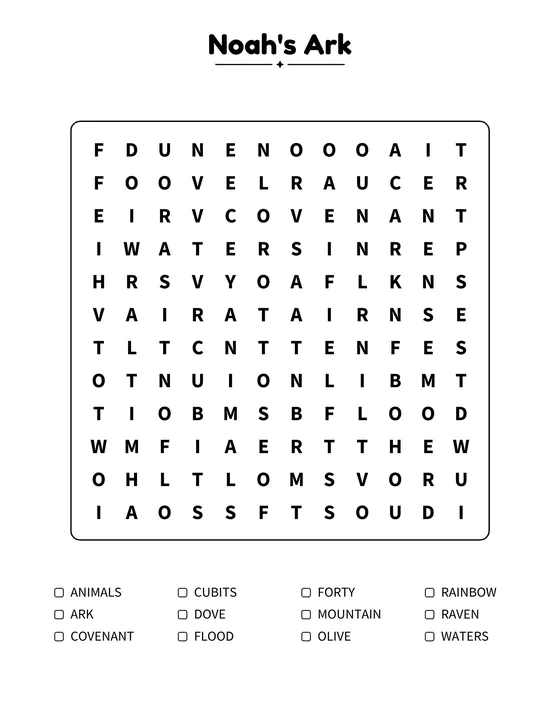
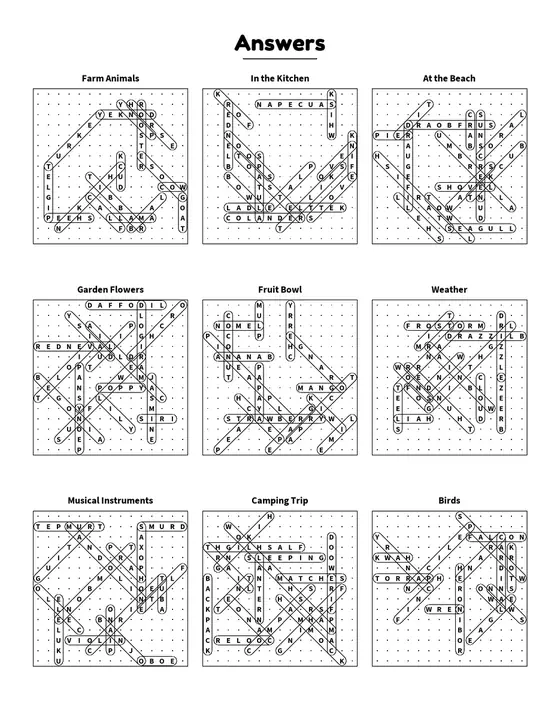
The model only drafts the puzzle titles and word lists. Grids, layout and answer pages are set by code, so the interior PDF is vector and sharp at any size. Every word is checked against an English dictionary, and every grid is solved again by a second program before it goes in the book.

How a word search book is made
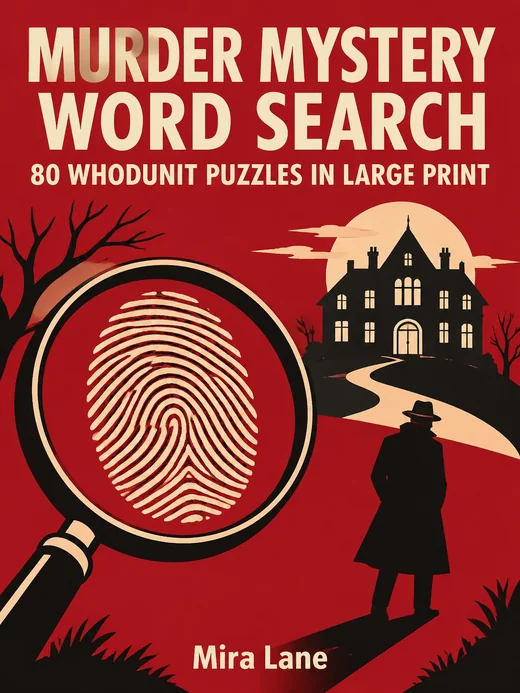
Front cover made in the Studio: Murder Mystery Word SearchLarge print word search page set by the Studio, theme The Detective's DeskAnswer page of a word search book, several solved grids to a page

Hidden object books

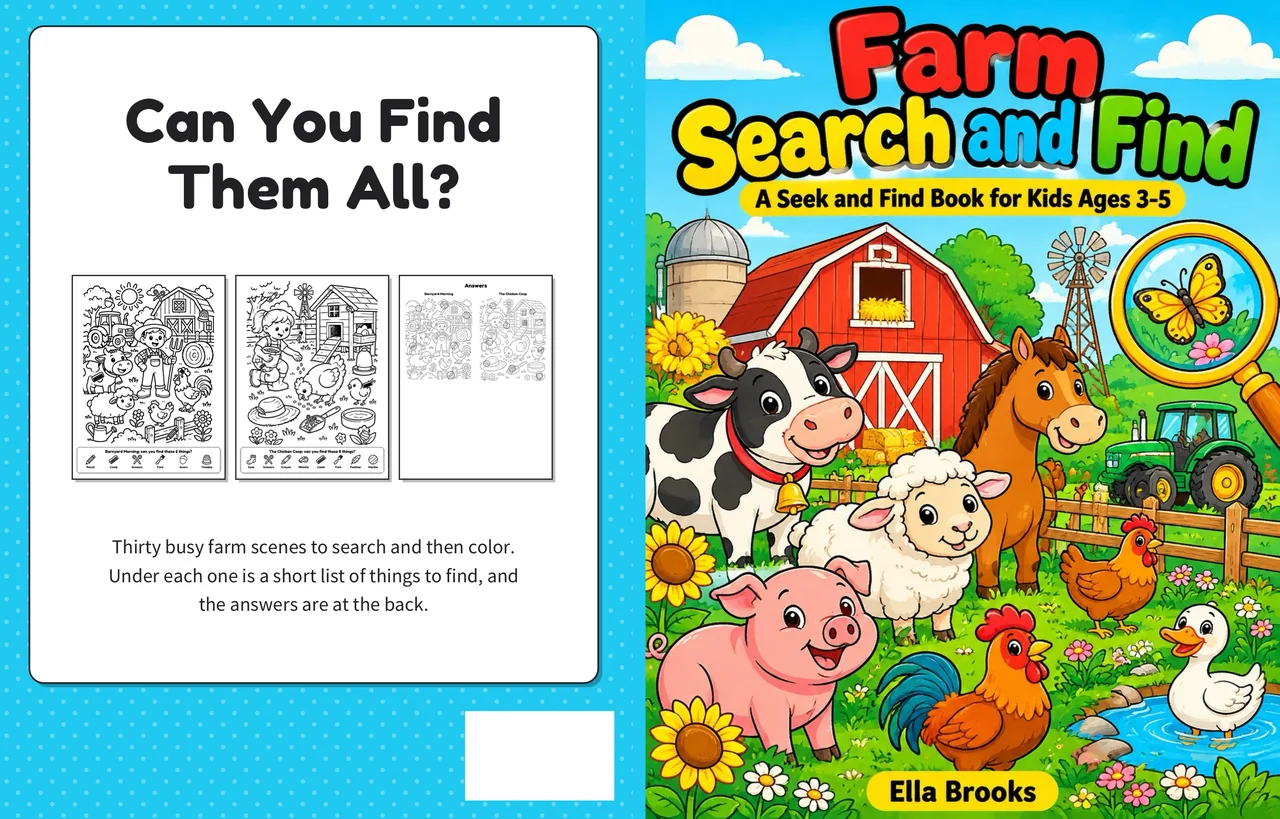
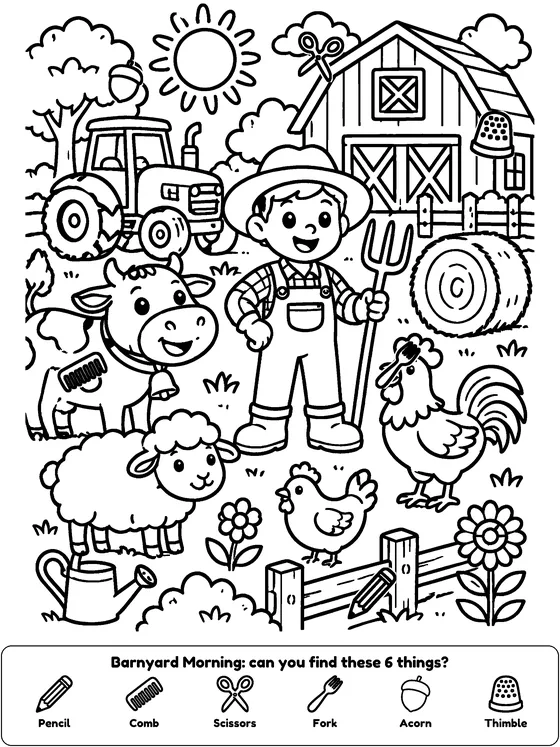
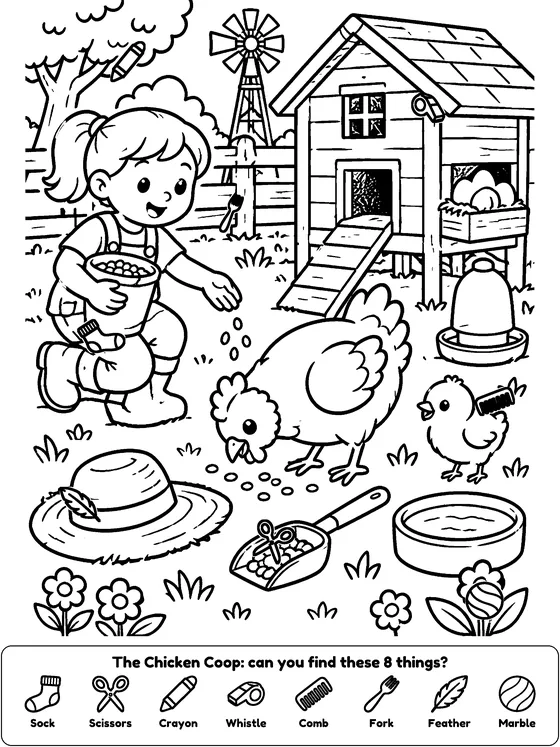
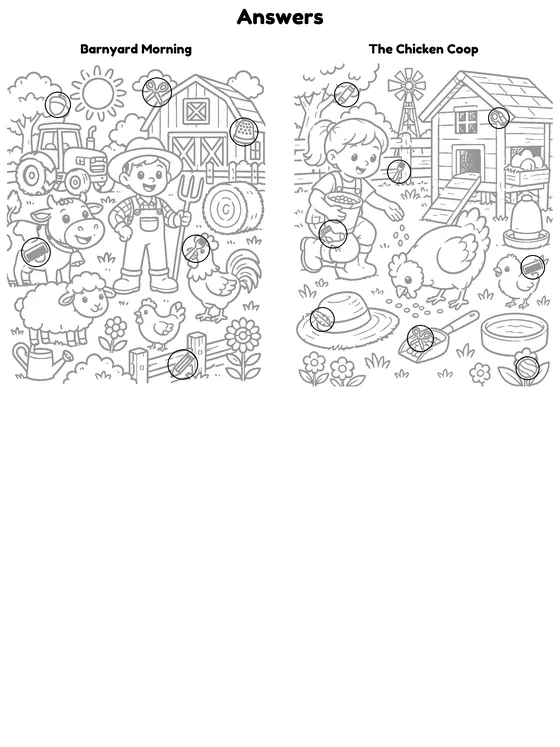
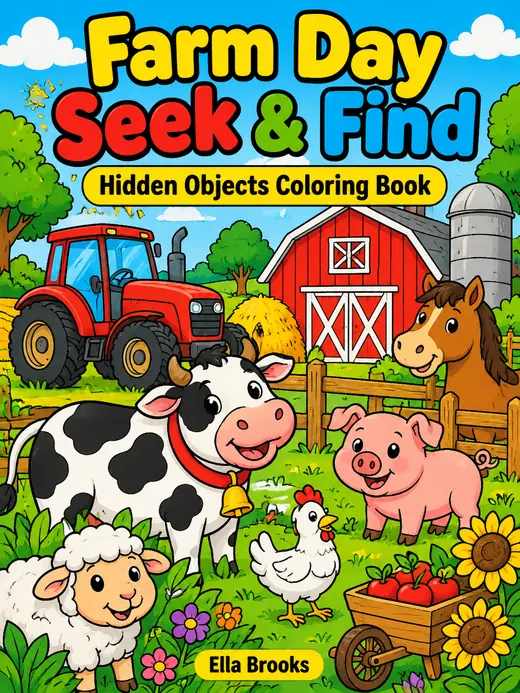
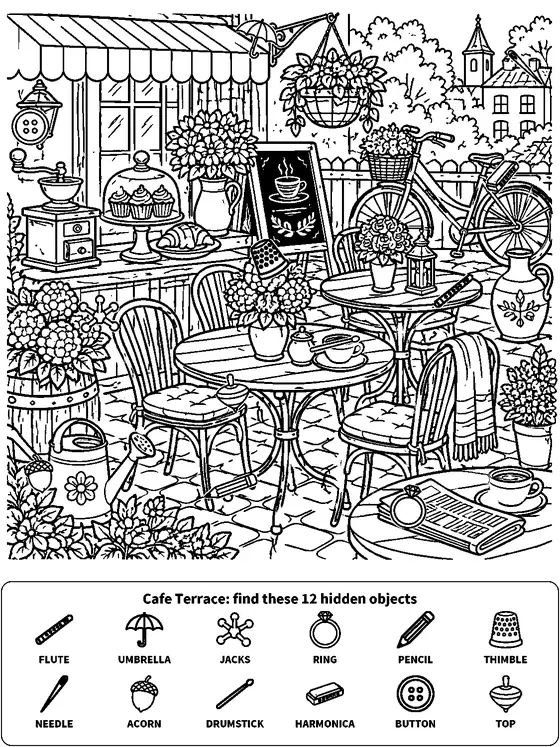
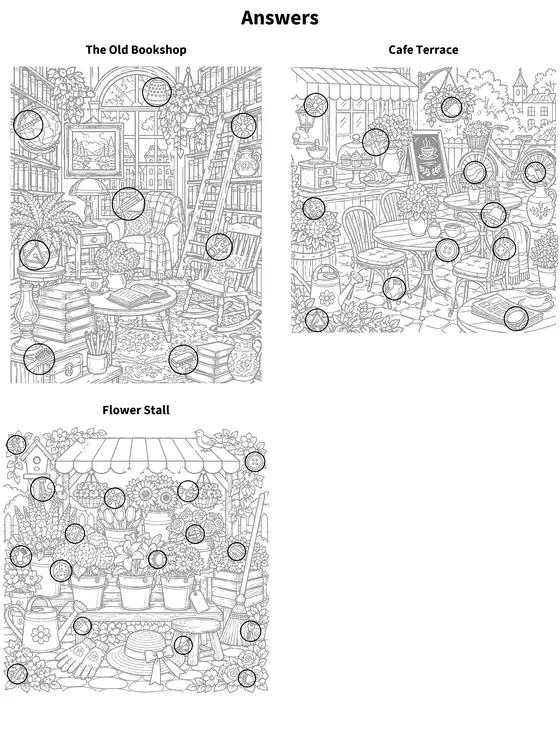
Each page is a scene to color with small objects hidden in it and a find list underneath. The model draws the scene and the objects; code places them and writes down where, so the answer pages at the back always match the puzzle pages.

How a hidden object book is made
Cover of a hidden object book made in the Studio: Farm Day Seek and FindHidden object page: a cafe terrace scene with the list of objects to find under itAnswer page of a hidden object book: each scene small, the hidden objects circled

Sudoku books

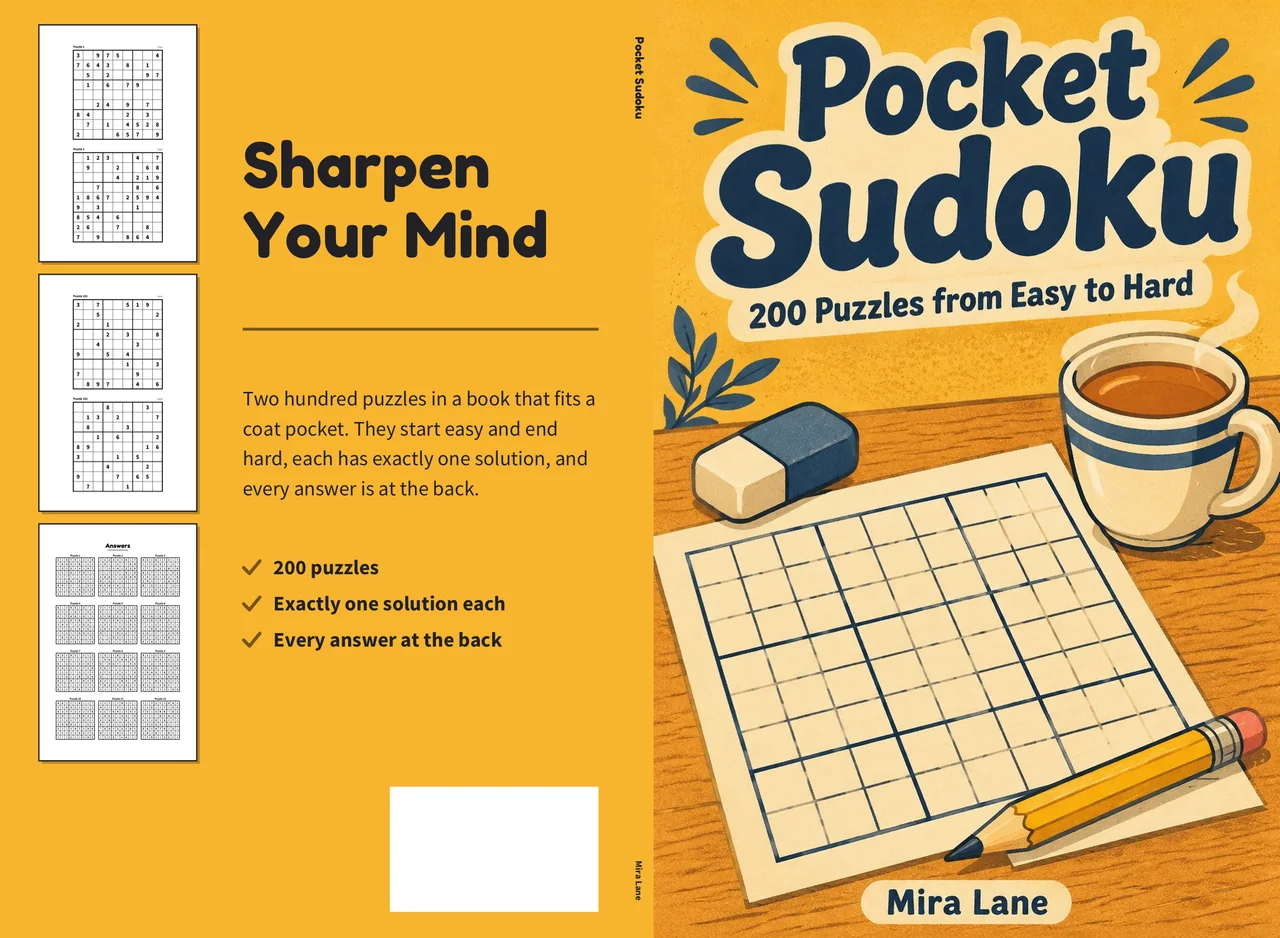
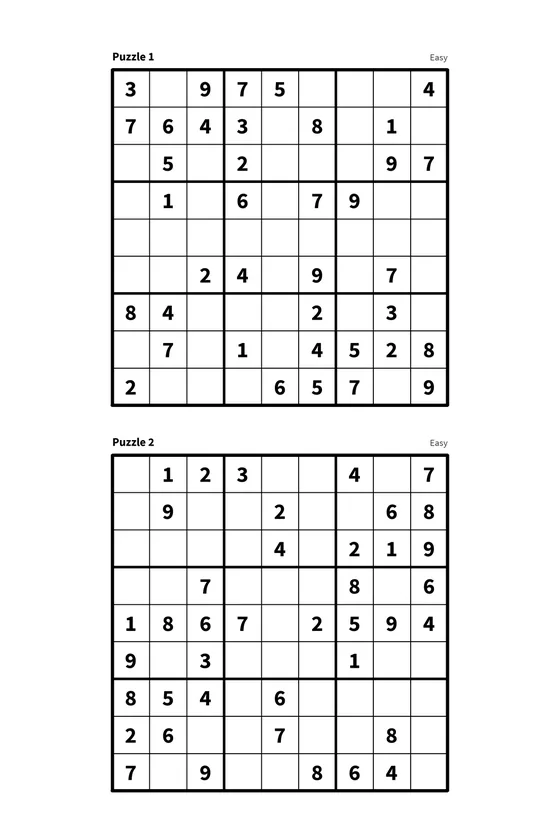
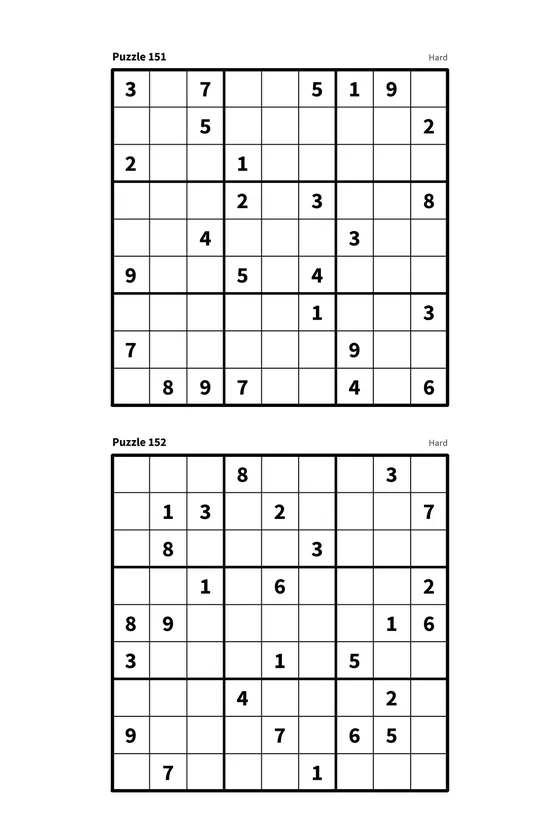
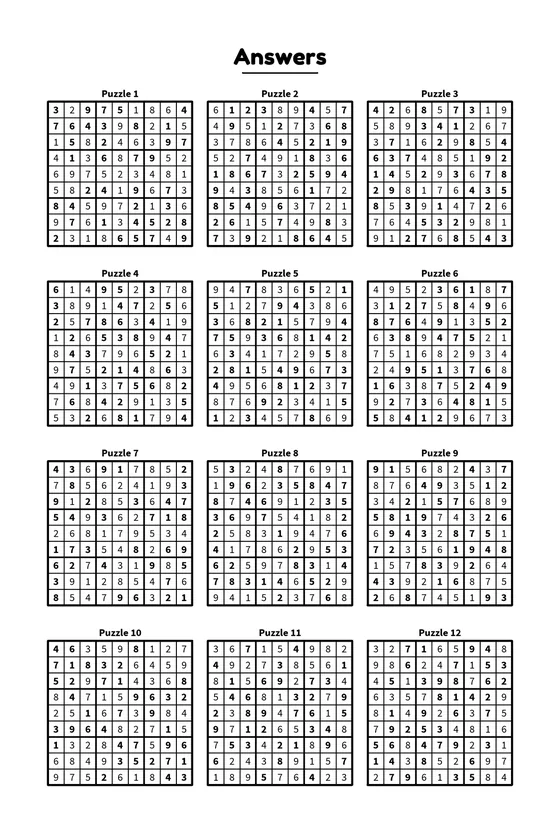
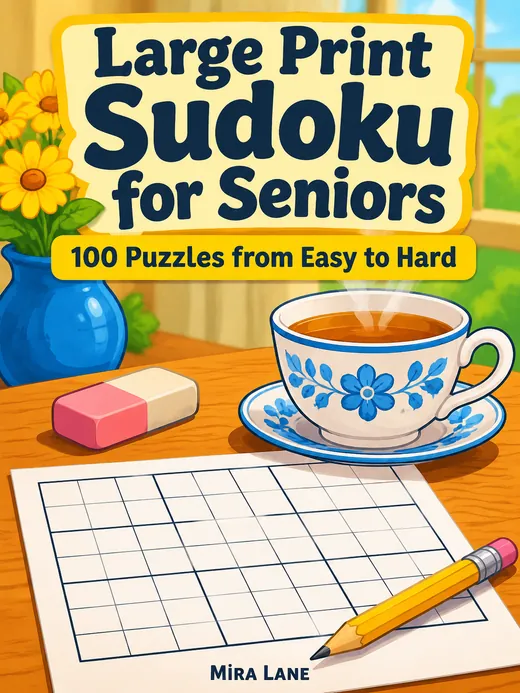
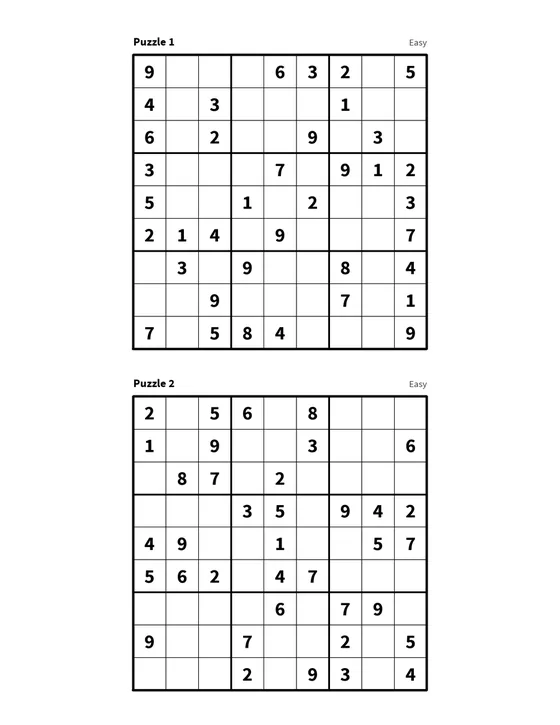
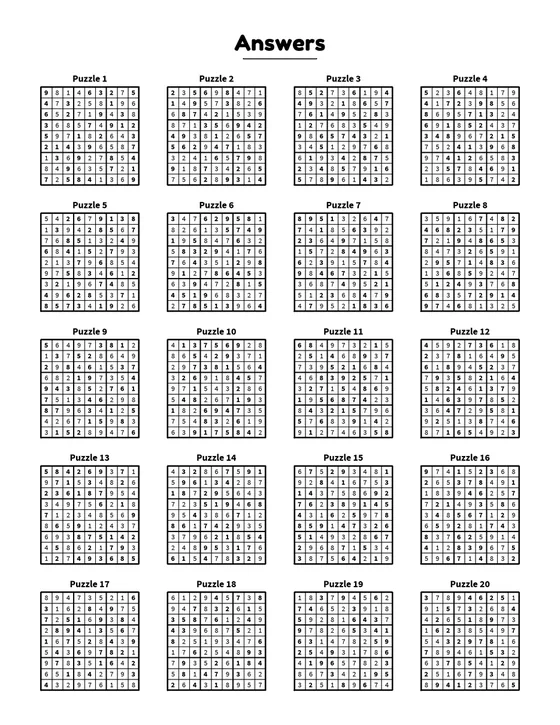
No model is asked to make a puzzle. Code builds each grid so that it has exactly one solution and can be solved by logic alone, then a second program solves it again before it goes in the book. 9 x 9 for adults, 6 x 6 and 4 x 4 for children, numbered through the book with the answers at the back.

How a sudoku book is made
Cover of a sudoku book made in the Studio: Large Print Sudoku for SeniorsSudoku page: two 9 x 9 puzzles numbered Puzzle 1 and Puzzle 2Answer page of a sudoku book: twenty solved grids, each under its puzzle number

Maze books

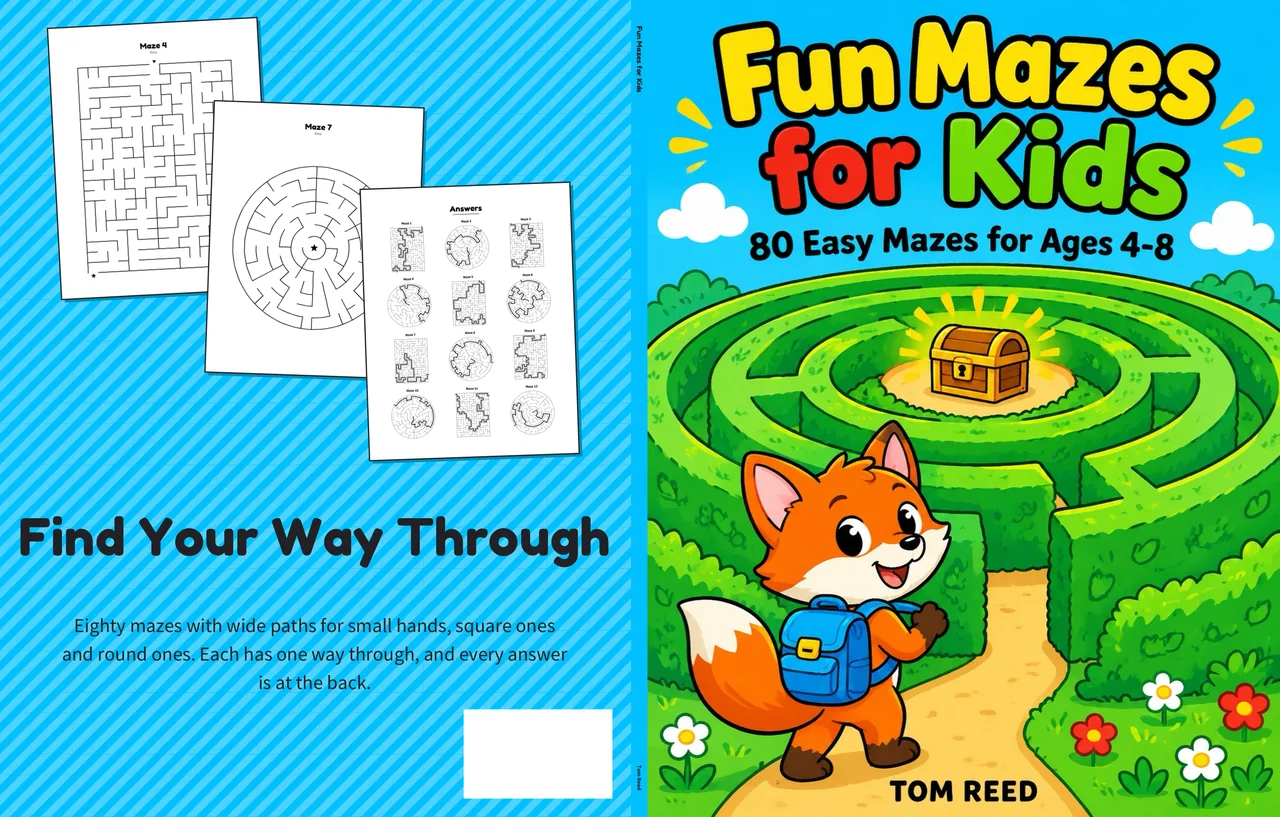
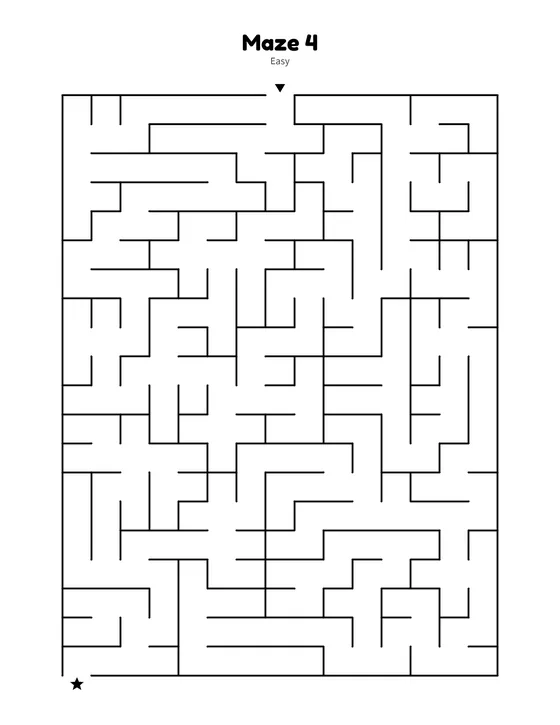
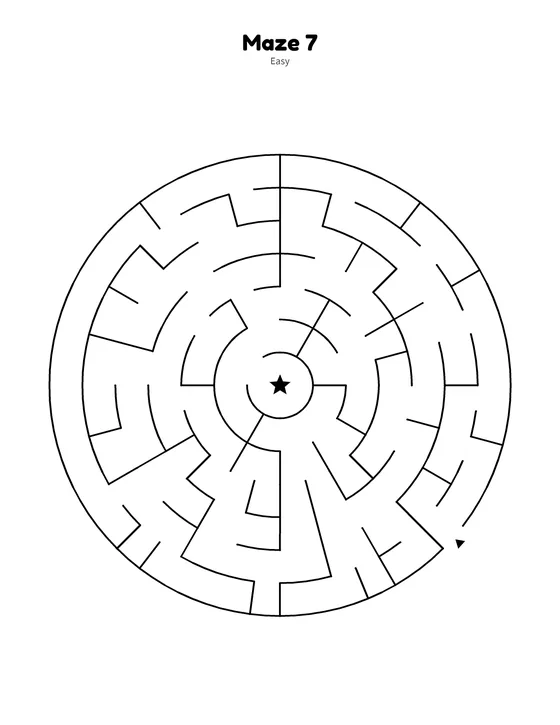
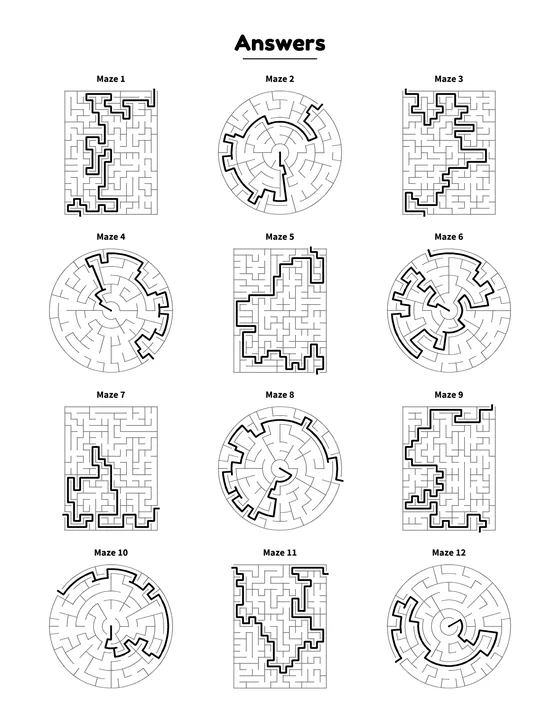
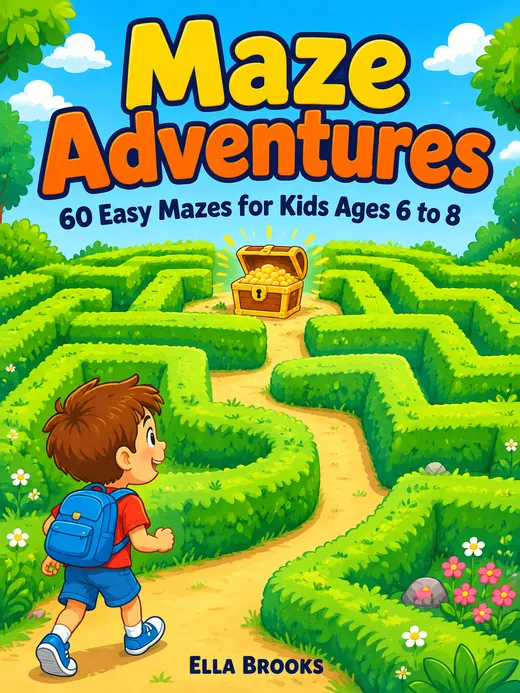
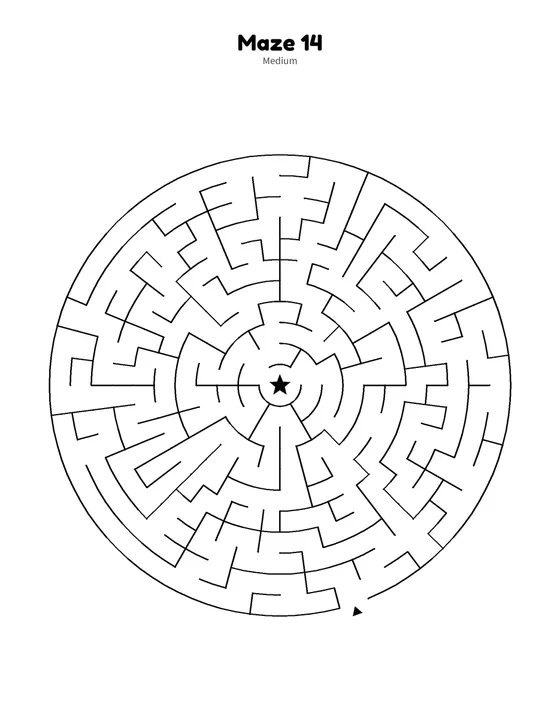
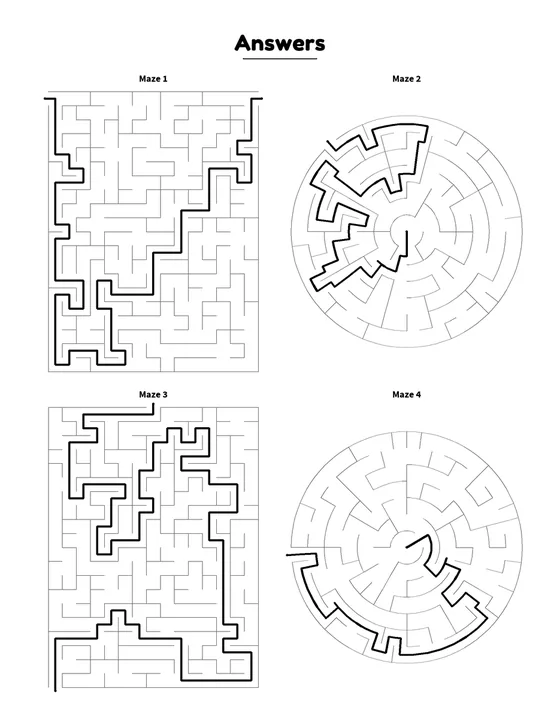
Square and round mazes drawn by code as vector lines. Every maze has exactly one way through, which a second program walks again before export, and the answer pages show that way drawn in. Four levels, from very simple for small children to hard.

How a maze book is made
Cover of a kids maze book made in the Studio: Maze AdventuresMaze page: a round maze walked from the outer ring to the star in the middleAnswer page of a maze book: four mazes small, each with its way through drawn in

Crossword books

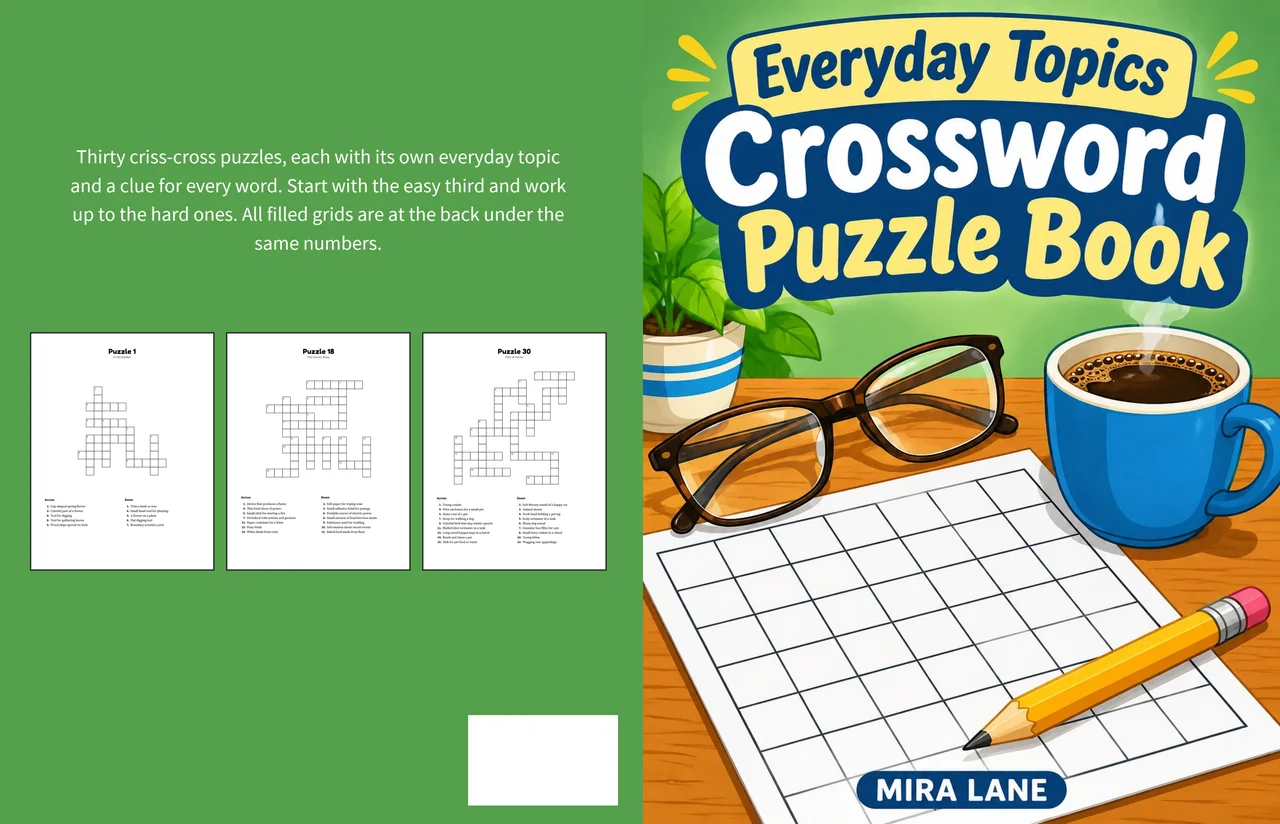
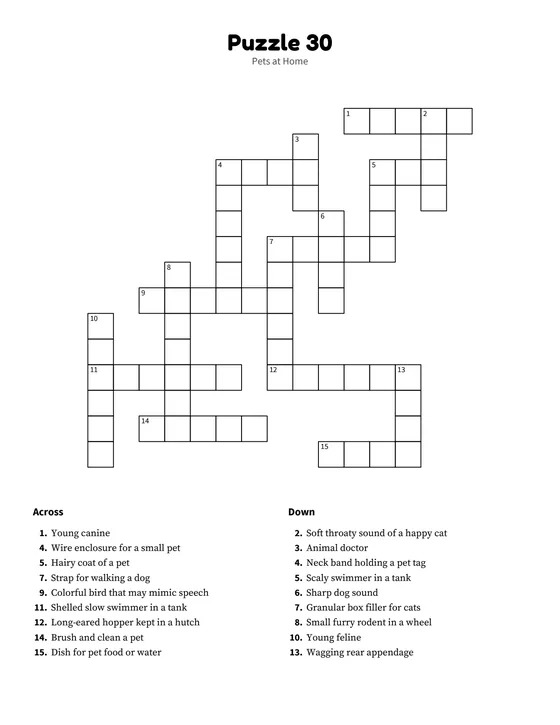
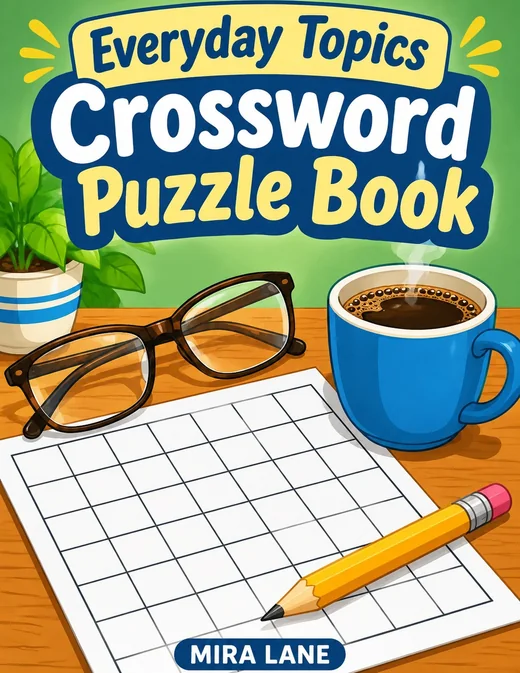
Criss-cross crosswords on a subject you choose. A model drafts the words and the clues; code builds, numbers and checks the grids, and any clue is rewritten with a click. The dense newspaper grid with symmetric black squares is not made.

How a crossword book is made
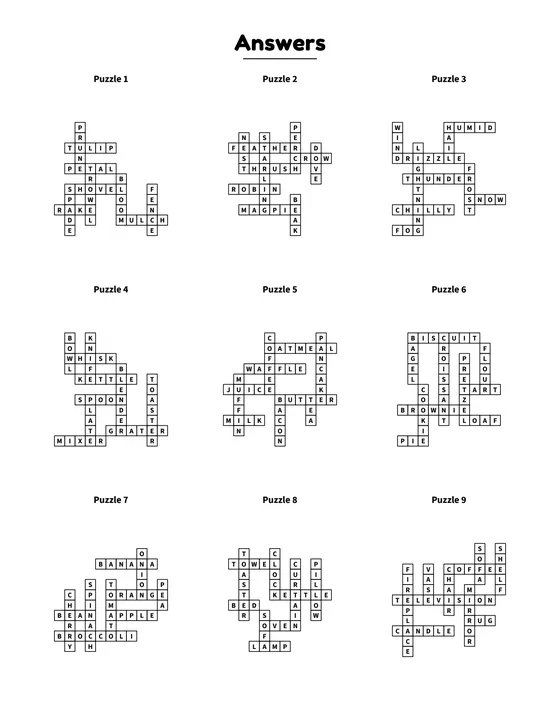
Front cover made in the Studio: Everyday Topics Crossword Puzzle BookCrossword page: an easy criss-cross grid with its clues across and downAnswer page of the crossword book: nine filled grids under their puzzle numbers

Number search, Kakuro, Calcudoku and cryptograms

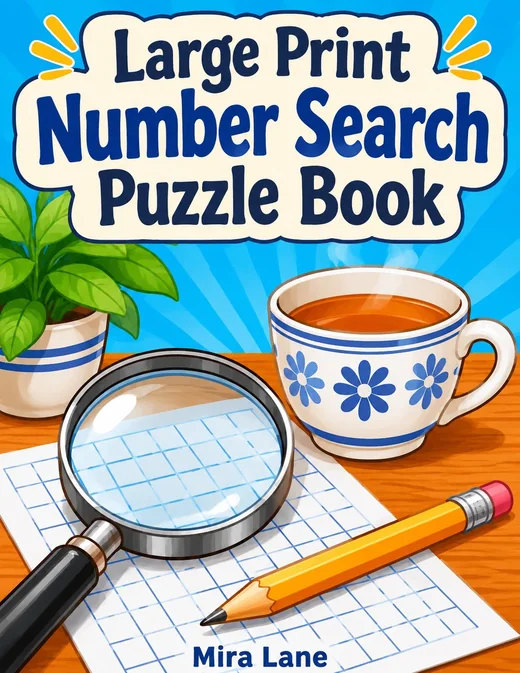
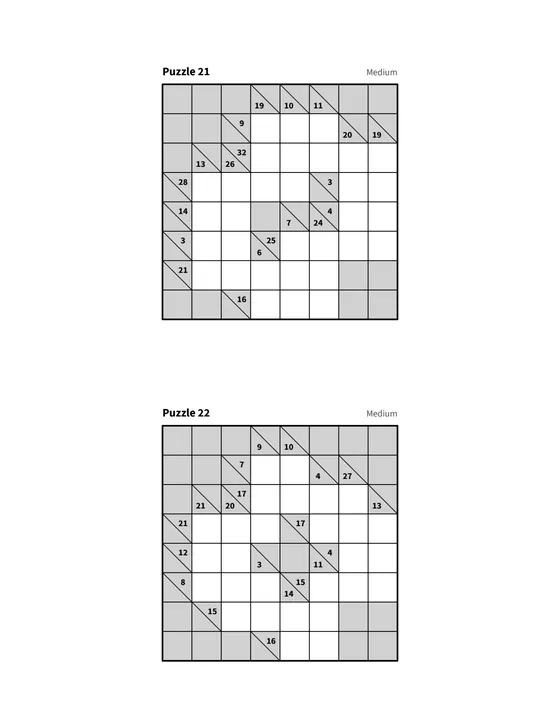
Four more puzzle books made and checked by code alone: every puzzle is solved again by a second program before it goes in the book. One price for a whole book, however many puzzles it holds.

How these puzzle books are made
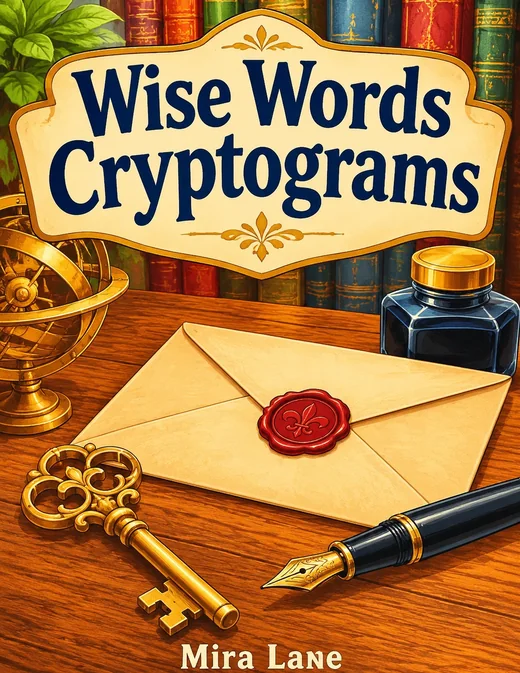
Front cover made in the Studio: Large Print Number Search Puzzle BookKakuro page: two medium puzzlesFront cover made in the Studio: Wise Words Cryptograms

Notebooks, journals, planners and log books

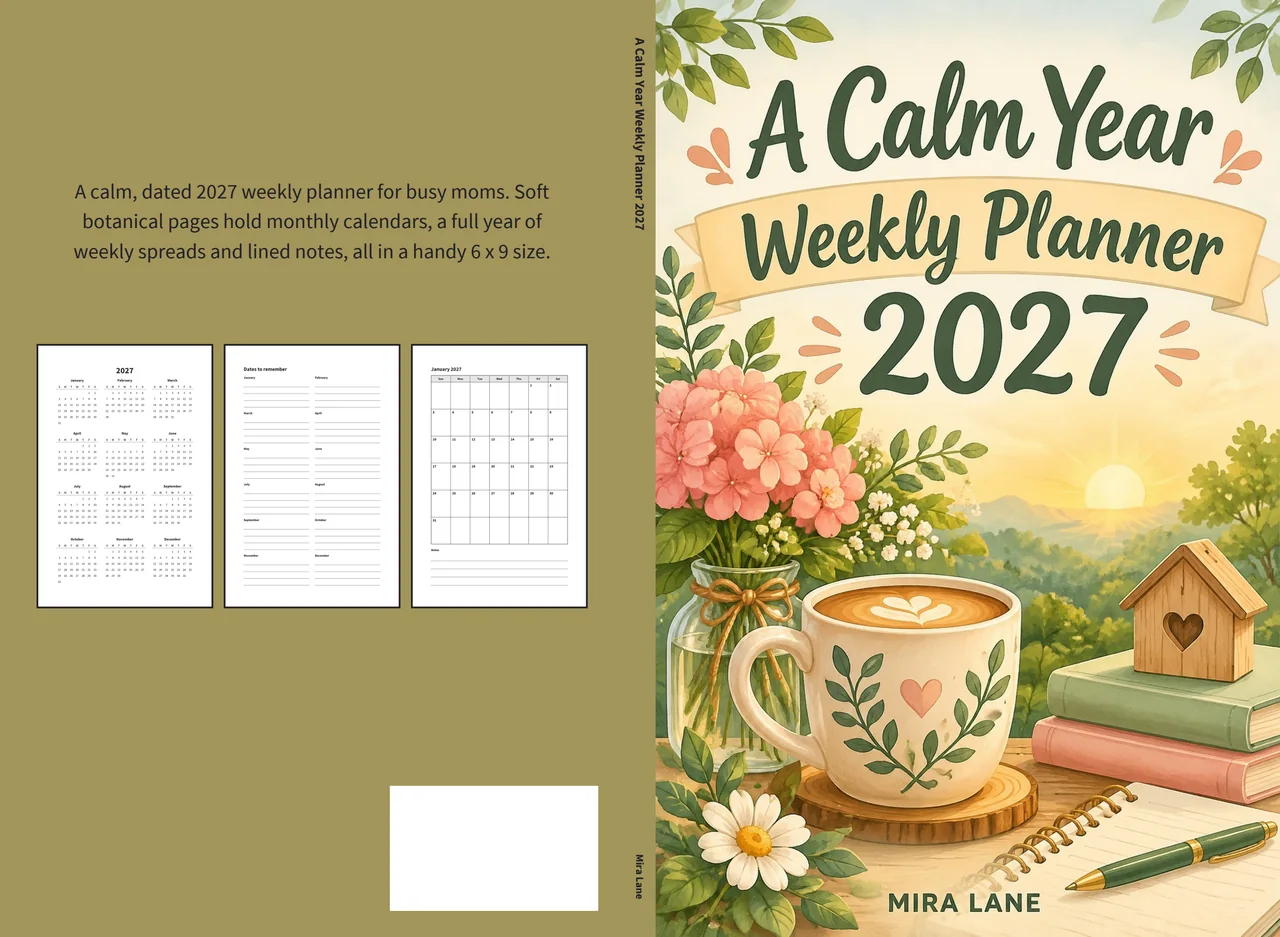
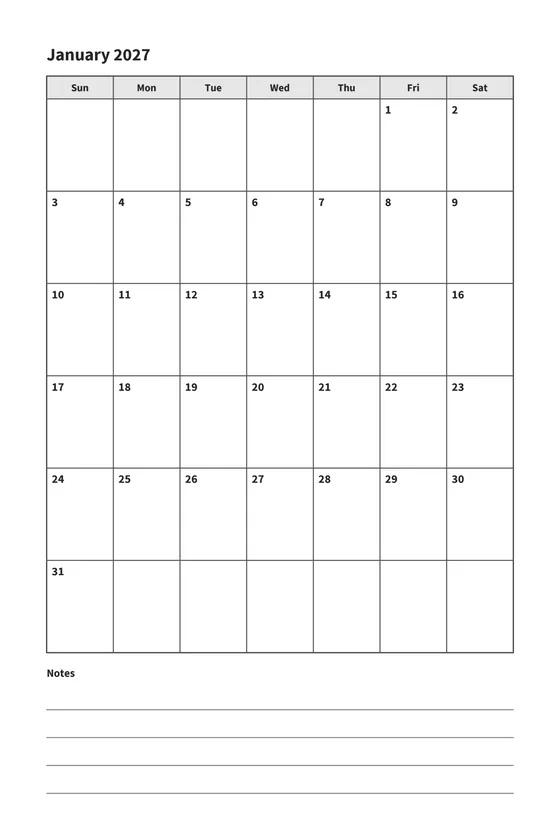
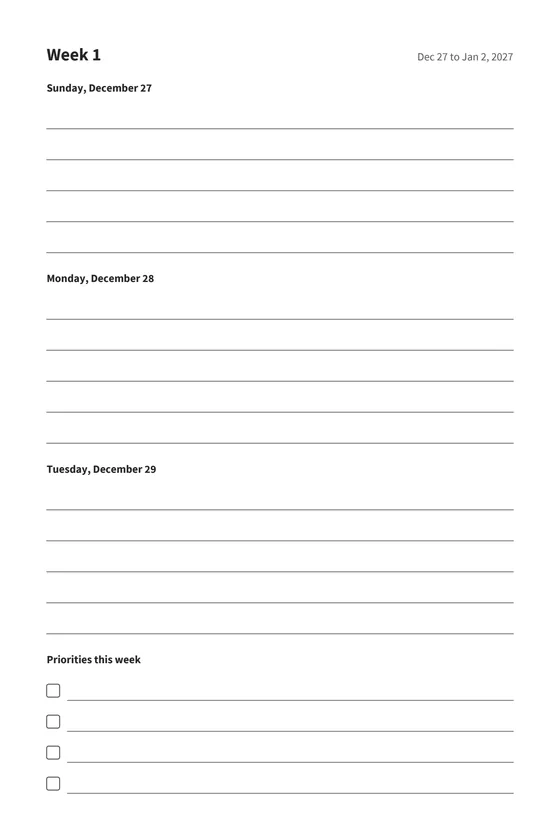
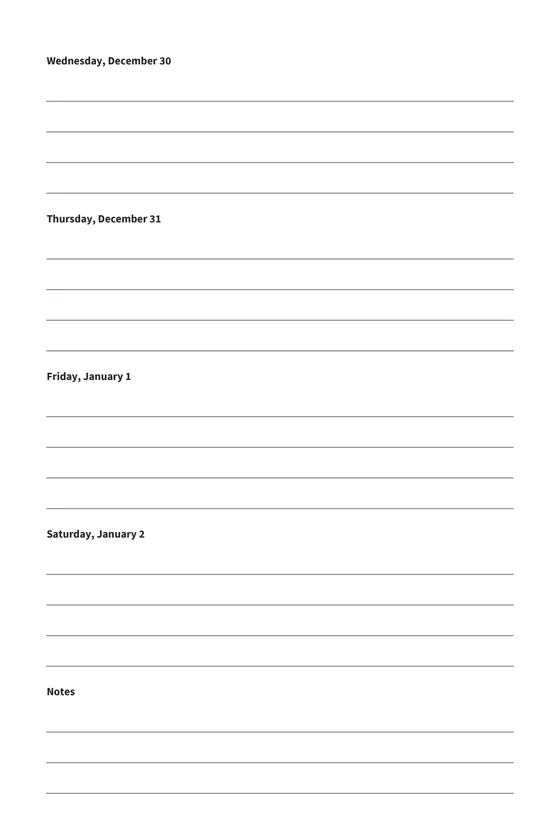
46 page templates set by code as a vector PDF: ruled pages, planners with the real dates of 2026 to 2030, journals with a question on every page, trackers and logs. You build the book from sections and see every page before you pay. Only the cover is drawn.

How notebooks and planners are made
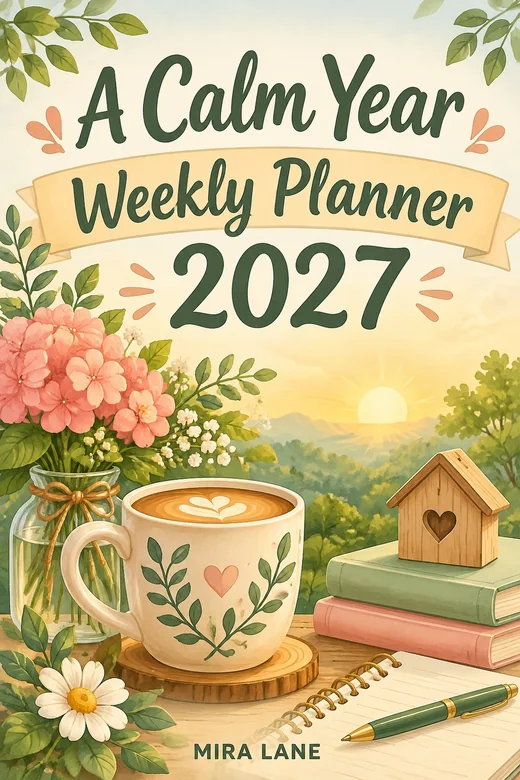
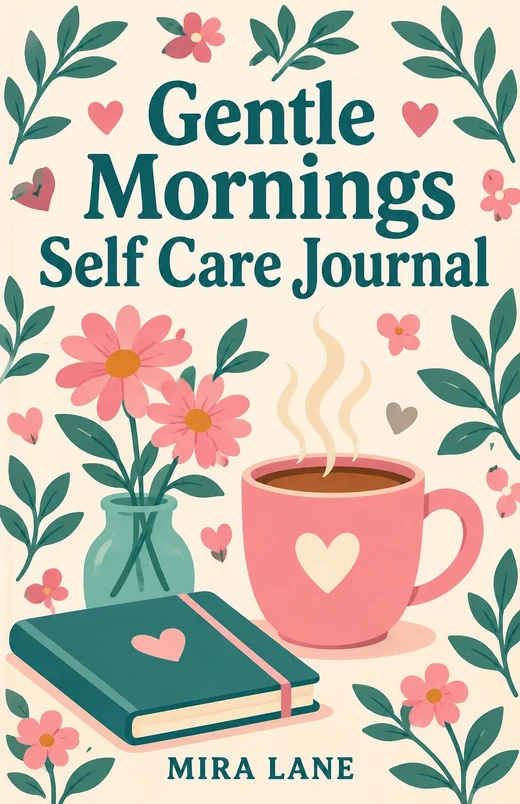
Front cover made in the Studio: A Calm Year Weekly Planner 2027Planner page: the calendar of January 2027 with room for notesFront cover made in the Studio: Gentle Mornings Self Care Journal

A cover and page designer

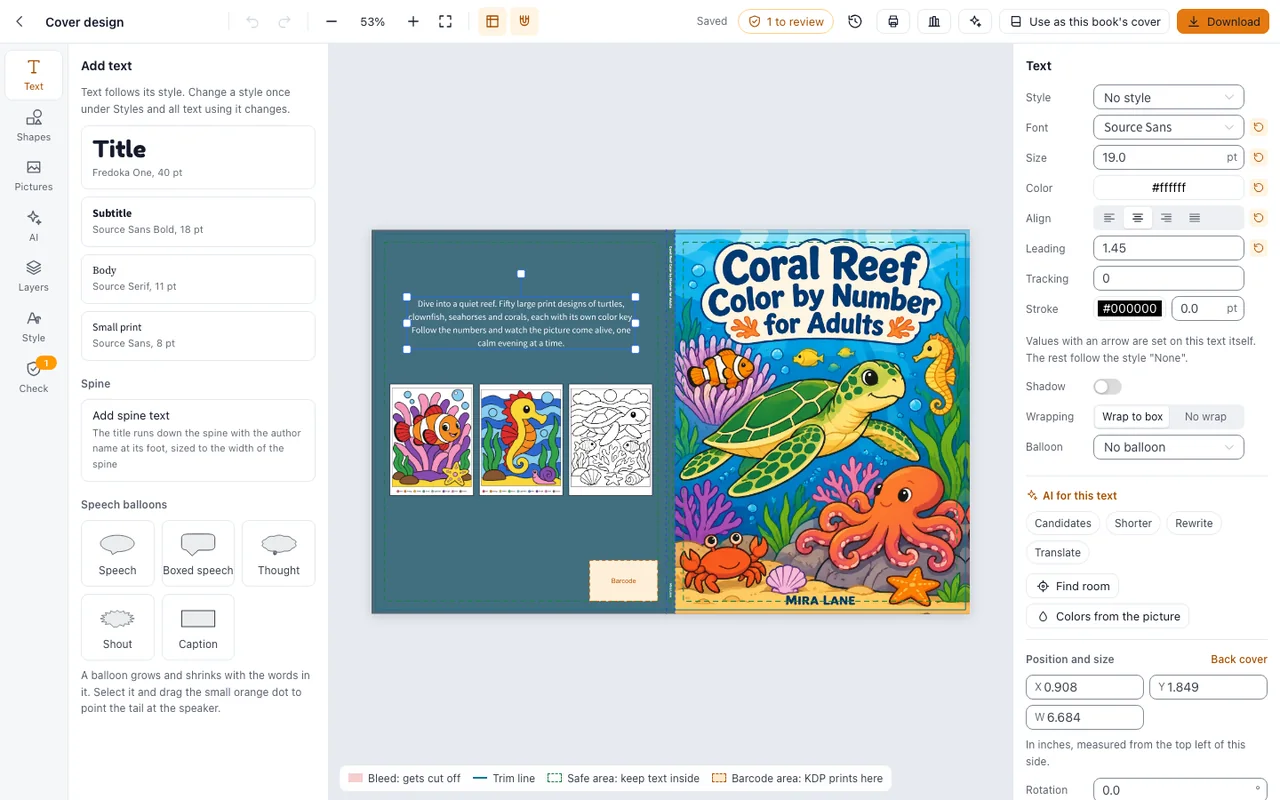
Open a cover or the pages of a book as a design and change text, pictures and shapes on a canvas that knows KDP's numbers: the spine follows the page count, the barcode area stays marked, and a print check runs after every save. The preview before export is cut from the print PDF itself.

How the designer works
The designer with a book's cover open: back cover, spine and front on one sheet

A+ content: a free check and a ready kit

Paste an ASIN and get the A+ content on that product page read, scored and criticized module by module. If it needs redoing, the kit makes the images in the sizes A+ Content Manager asks for, with English copy, alt text and a guide to paste from.

How the A+ check and kit work
A+ banner image composed from the real cover and pages of the book

From niche to listing, in one place

KDPTop used to cover the first half only: read the data, pick the niche. The Studio adds the second half.

  1. Find a niche worth making

    A category decision card shows the price band, the review barrier, estimated daily sales of the Top 100 and whether new books get in. New-release breakouts show what just worked.

    See the research side
  2. Start from a book that sells

    "Make my version" on a book carries over its topic, audience, structure, selling points and what readers praised or complained about, as the same kind of book or another, and you choose what to keep. It does not carry the title, the text or the characters. The book's public pictures are looked at only for style and layout.

  3. Make the book

    Pages, cover, front and back matter in one workbench. Drawing runs in the background, so you can leave and come back. Page through the whole book spread by spread, then export: interior PDF, cover PDF with the spine sized to the real page count, and a preflight report against KDP's print rules.

  4. List it

    The listing tab writes the description and seven keywords and suggests which KDP category paths to pick, matched against Amazon's category tree. In KDP, the browser extension fills the title, subtitle, author and keywords into the form and hands you the files. Uploading and publishing stay your clicks.

    About the extension

Price

The Studio is paid for with credits, apart from the plans. You pay for what is made; what fails is not charged.

From $0.96A 30-page coloring book with its covers, plus an A+ kit: 48 credits in all. That is what a member on a paid plan pays with the largest credit pack. From $1.20 on a free account.

WhatCreditsAbout
A coloring page or a hidden object scene1$0.02 to $0.04
A page of a picture book or comic1$0.02 to $0.04
The sheet of one character1$0.02 to $0.04
A set of 3 cover candidates10$0.25 to $0.40
A 30-page coloring book with its covers40$1.00 to $1.60
A whole word search book, classic layout20$0.50 to $0.80
A whole word search book, border or kids layout40$1.00 to $1.60
A whole sudoku book20$0.50 to $0.80
A whole maze book20$0.50 to $0.80
A whole crossword book20$0.50 to $0.80
A whole number search, Kakuro, Calcudoku or cryptogram book20$0.50 to $0.80
The inside of a whole notebook, journal, planner or log book10$0.25 to $0.40
A picture drawn or changed by AI in the designer1$0.02 to $0.04
An A+ kit for a published book10 (was 20)$0.25 to $0.40
A+ checkFree, 10 a day

Never charged: writing and editing what each page shows, reordering, uploading your own pictures, front and back matter, AI polish of your texts, KDP category suggestions, the whole-book preview, automatic redraws after a failed check, exporting and downloading again.

Credit packs

  • 100 credits$3.99$7.99Members $3.19
  • 300 credits$9.99$19.99Members $7.99
  • 800 credits$22.49$44.99Members $17.99
  • 2,000 credits$49.99$99.99Members $39.99

Every credit pack is 50% off now. Members on a paid plan pay 20% less for every pack. Paid plans include credits every month: Creator 30, Pro 300, Team 600. See the plans

Know this before you start

  • Whether a book passes review and how it sells is decided by Amazon and the market. Sales figures on KDPTop are estimates from sales rank.
  • The pictures are drawn by an AI model. How far copyright protects AI-generated work is unsettled in most countries, and KDP asks at upload whether the content is AI-generated: answer truthfully.
  • Read every page before you publish, above all in a book for children.
  • No trademarks, brand names, film or game characters, or real people. A word list stops the common ones; what it misses is still yours to catch.
  • The files are for KDP paperbacks; picture books and comics also come with a fixed-layout EPUB for Kindle, chapter books with a reflowable one. Books meant to be written or drawn in do not suit Kindle according to KDP's content guidelines, and the larger cover file a hardcover needs is not exported.
  • You upload to KDP, set the price and publish yourself. KDPTop does not publish for you.

Common questions

Can I sell the books I make here?

Yes. The pictures you generate and pay for and the files you export are yours to publish and sell; KDPTop claims no rights in them. Keep in mind that copyright protection for AI-generated work is unsettled: in the United States the Copyright Office currently holds that work made entirely by AI without human authorship is not protected. The more of the choosing, editing and arranging is yours, the stronger your claim. This is not legal advice.

Does Amazon KDP allow AI-generated books?

KDP accepts them and asks you to say so: when you set up a title it asks whether the text, images or translation are AI-generated. Answer truthfully. The production record in every export lists where each page came from, which makes that easy.

What does a book cost?

A coloring page or hidden object scene is 1 credit, a set of 3 cover candidates is 10 credits, a whole word search book is 20 credits, a whole sudoku book 20 credits and a whole maze book 20 credits. A page of a picture book or comic is 1 credit too, and the sheet of a character 1 credit. The inside of a notebook, journal, planner or log book is 10 credits whatever its length, and a whole crossword, number search, Kakuro, Calcudoku or cryptogram book 20 credits. A 30-page coloring book with its covers comes to 40 credits, about $1.00 to $1.60 depending on the credit pack.

Do members on a paid plan pay less for credits?

Yes. On a paid plan every credit pack costs 20% less than on a free account, on top of any sale that is running, and the plan brings credits every month. A 30-page coloring book with its covers and its A+ kit is 48 credits: from $0.96 for a member who buys the largest pack, from $1.20 on a free account.

Do I need a paid plan?

No. Credits are bought separately and a free account can use the Studio. Paid plans include credits every month (Creator 30, Pro 300, Team 600), and a paying member's first visit adds 50 more.

How is this different from drawing pages in an image generator myself?

Drawing is one step of many. Here the pages of a book follow one reference page so the line weight stays the same, each page is checked and redrawn free when it fails, the finished line art is enlarged to the trim size and redrawn as pure black lines (300 DPI in the file), front and back matter and the spine are set by code, and the export is checked against KDP's print rules before you upload.

How much say do I have over the cover?

As much as you want. Let the Studio decide from the book, or describe the picture yourself, pick one of nine styles, add up to three reference pictures for the colors or for the layout as well, and draw one to six candidates at a time. A cover you like can be drawn again in the same spirit or changed in one place while its title stays. The back cover has 26 templates of its own, most of them showing pages from inside the book. References give a look and an arrangement only: characters, logos and wording from someone else's cover are not copied, and KDP rejects covers that copy an existing book.

Do I have to keep the page open while the book is drawn?

No. Pages, covers and exports are made in the background. Leave or close the page and come back later: what is finished is kept in the work, and nothing is charged for a picture that fails.

Can the same files be used for a Kindle ebook or a hardcover?

They are made for the paperback: an interior PDF and one cover PDF with back, spine and front and a clear area for the barcode. Picture books, comics and chapter books are the exception: they also come with an EPUB (fixed-layout, or reflowable for a chapter book) and a cover JPG for Kindle. KDP's content guidelines say books meant to be written or drawn in, such as coloring and puzzle books, do not suit Kindle. A hardcover takes the same interior when its trim size and page count fit (KDP offers five hardcover sizes, 75 to 550 pages), but its cover wraps around the boards and is a separate, larger file that the Studio does not export yet.

Can I use my own pictures?

Yes. Upload your own pages into a book at no charge, and upload up to four reference pictures when you start so the Studio reads the topic and line style from them. Only upload pictures you have the right to use.

Further reading: How to make a coloring or puzzle book for KDP (trim, bleed, spine)KDPTop Studio next to other book makers

Read the data, pick the niche, then make the book

A 30-page coloring book with its covers is 40 credits, about $1.00 to $1.60.

Start a book