

Magic Books on Amazon: Sales, Prices and Indie Opportunity
Magic has $635,841 in estimated monthly Top 100 revenue, but traditional publishers hold 93% of the category. See prices, reviews and indie competition.
Magic generated an estimated $635,841 in monthly revenue across Amazon's Top 100 Best Sellers, but 93% of that revenue went to the top 10 books. J. K. Rowling's Harry Potter and the Half-Blood Prince: The Illustrated Edition alone accounts for an estimated $394,590 per month. For an independent publisher, that concentration makes the headline revenue figure look much better than the actual opportunity.
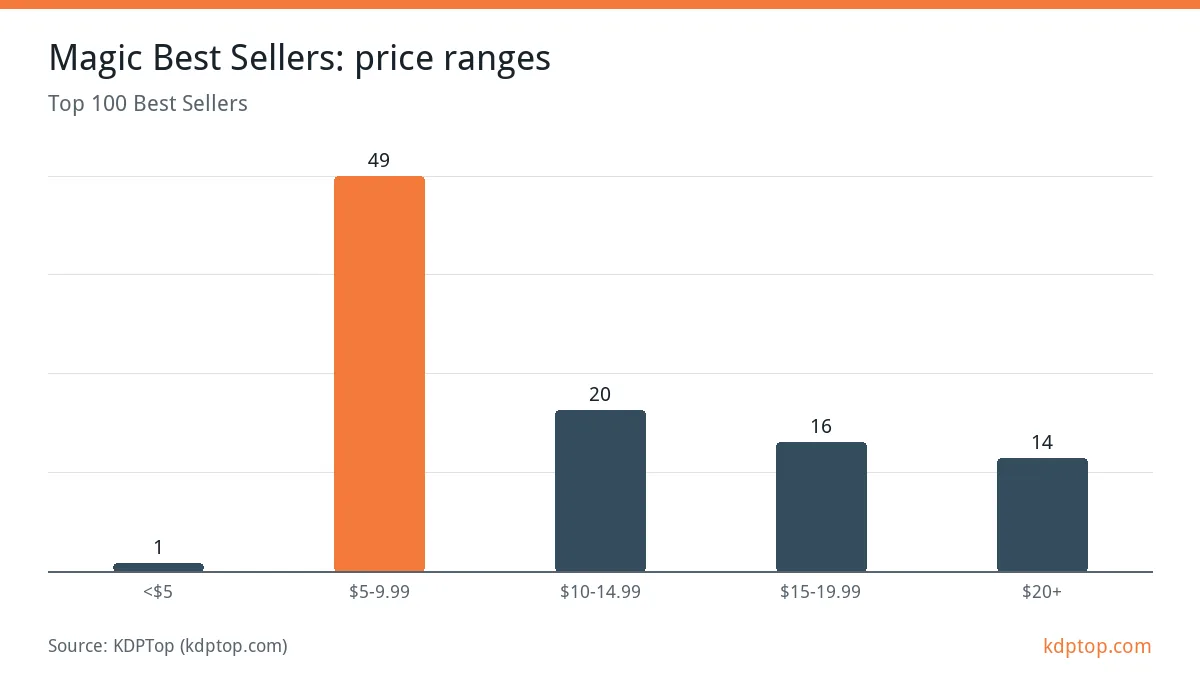
Magic books sell at several price points, but $5–$10 leads
Show the data
| Price range | Books |
|---|---|
| <$5 | 1 |
| $5-9.99 | 49 |
| $10-14.99 | 20 |
| $15-19.99 | 16 |
| $20+ | 14 |
The median price in Magic is $11.07. The middle half of the category sits between $8.03 and $17.46, which gives publishers a useful starting point when pricing a new book. Almost half the Top 100 sells for $5–$9.99: 49 books fall into that range. Another 20 books cost $10–$14.99, while 16 sit between $15 and $19.99. Only 14 cost $20 or more, and one book costs less than $5.
The expensive end of the category includes illustrated editions and established series. Harry Potter and the Half-Blood Prince: The Illustrated Edition sells for $43.99. Its estimated monthly revenue is $394,590, supported by an estimated 8,970 monthly units. Harry Potter Paperback Box Set (Books 1-7) costs $52.62 and generates an estimated $94,716 per month.
Those books demonstrate what recognizable intellectual property and premium formats can command. They are poor direct pricing comparisons for a first-time KDP publisher. A new children's fantasy book or magic-themed activity book should be evaluated against products with a similar format, audience and production quality. The $11.07 median is a more useful reference point than the prices of the leading illustrated editions.
For a standard paperback, the $8–$17 range deserves attention. A publisher can test a price within that range while accounting for page count, printing costs and the royalties available at the chosen price. The chart describes the current Best Sellers, not the prices that guarantee sales.
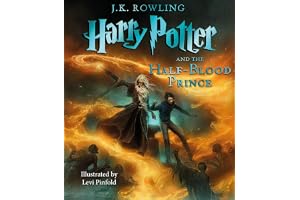
Harry Potter and the Half-Blood Prince: The Illustrated Edition (Harry Potter, Book 6) (6)
- Price$43.99
- Reviews444
- BSR#116
- Est. revenue/mo$394,590
- List rank#1
- Published2026-10
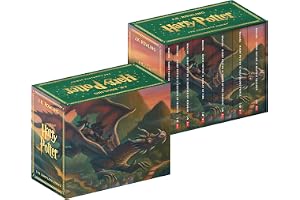
Harry Potter Paperback Box Set (Books 1-7)
- Price$52.62
- Reviews39,321
- BSR#492
- Est. revenue/mo$94,716
- List rank#2
- Published2009-07
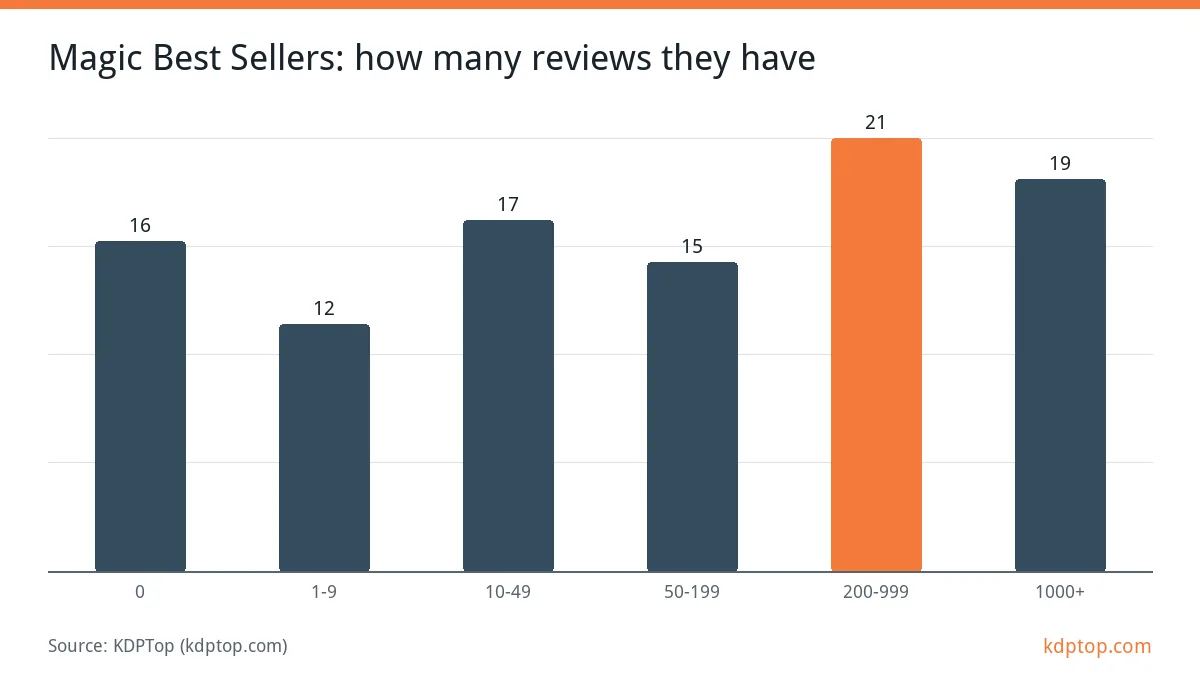
A median of 108 reviews leaves some room for new titles
Show the data
| Reviews | Books |
|---|---|
| 0 | 16 |
| 1-9 | 12 |
| 10-49 | 17 |
| 50-199 | 15 |
| 200-999 | 21 |
| 1000+ | 19 |
The median Magic Best Seller has 108 reviews, and the average rating across the category is 4.7 stars. That review median suggests an established competitive barrier, but the distribution is more encouraging than the single number implies. Forty-five of the 100 books have fewer than 50 reviews.
Sixteen books have no reviews, another 12 have between one and nine, and 17 have between 10 and 49. Together, those groups account for 45 books with fewer than 50 reviews. The remaining books are spread across the 50–199, 200–999 and 1,000-plus review brackets. The largest individual group contains 21 books with 200–999 reviews.
This matters for a publisher considering a new Magic title. A book does not necessarily need thousands of reviews to appear on this list. Some current Best Sellers have little review history. However, low review counts alone do not prove that those books sell well or that a new entrant can reproduce their results. Their actual sales estimates and positions would need separate examination.
The Harry Potter Paperback Box Set illustrates the other end of the market. It has 39,321 reviews and a 4.9-star rating. Harry Potter and the Sorcerer's Stone (MinaLima Edition) has 17,373 reviews and the same rating. A new publisher cannot reasonably treat those review totals as the minimum requirement, but they show how established franchises accumulate a substantial advantage over time.
For KDP research, the practical move is to inspect the books below 50 reviews individually. Look at their covers, subtitles, formats and intended readers. Those listings offer more relevant competitive comparisons than a long-established series with tens of thousands of reviews.
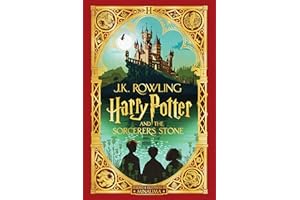
Harry Potter and the Sorcerer's Stone (Harry Potter, Book 1) (MinaLima Edition) (Interactive Illustrated Edition)
- Price$19.85
- Reviews17,373
- BSR#624
- Est. revenue/mo$30,966
- List rank#3
- Published2020-10
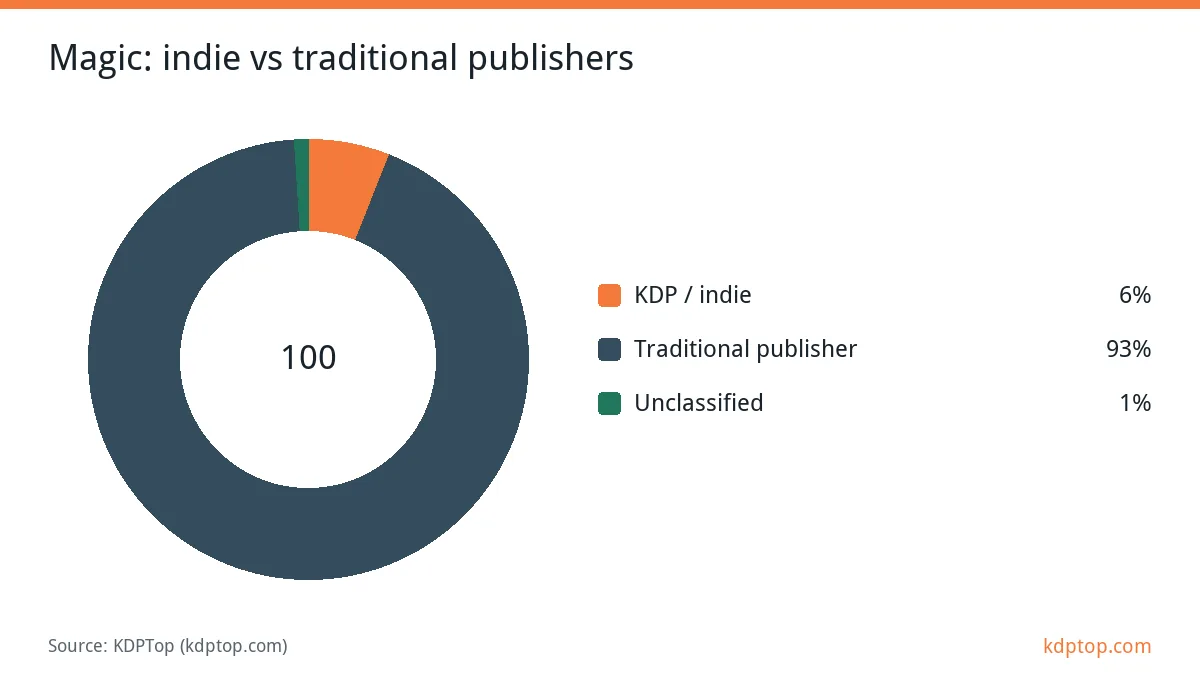
Independent publishers hold only 6% of the Magic Best Sellers
Show the data
| Publisher type | Books |
|---|---|
| KDP / indie | 6 |
| Traditional publisher | 93 |
| Unclassified | 1 |
Traditional publishers account for 93% of the Magic Top 100. Independently published KDP books account for 6%, while 1% are unclassified. That is a difficult starting position for an independent publisher entering this category.
The category path is Books > Children's Books > Science Fiction & Fantasy > Fantasy > Magic. This is a children's fantasy category, and its leading titles include established middle-grade fiction and premium illustrated editions. J. K. Rowling dominates the top of the list. Rick Riordan also appears with Camp Half-Blood: From the World of Percy Jackson: The Wild Zone.
The publisher mix helps explain why the category's revenue looks so attractive while its opportunity score is only 37 out of 100. KDPTop's opportunity score measures how much room a category leaves new indie books, with higher scores indicating more room. A score of 37 suggests limited room compared with a category where independent publishers already have a stronger presence.
There is a useful distinction between the current Best Sellers and new releases. Independent publishers account for 22% of the Magic New Releases, compared with 6% of the Best Sellers. Traditional publishers account for 78% of new releases. That gap suggests independent publishers are entering the category more frequently than their current Best Sellers share would indicate.
It does not establish that those new books will gain lasting sales. Some may disappear from the rankings quickly. Still, the difference gives publishers a reason to investigate newer indie titles rather than dismiss the category entirely. The next question is whether those books can gain visibility and retain their positions after launch.

Camp Half-Blood: From the World of Percy Jackson: The Wild Zone
by Rick Riordan
- Price$20.99
- Reviews285
- BSR#2,482
- Est. revenue/mo$11,964
- List rank#7
- Published2026-09
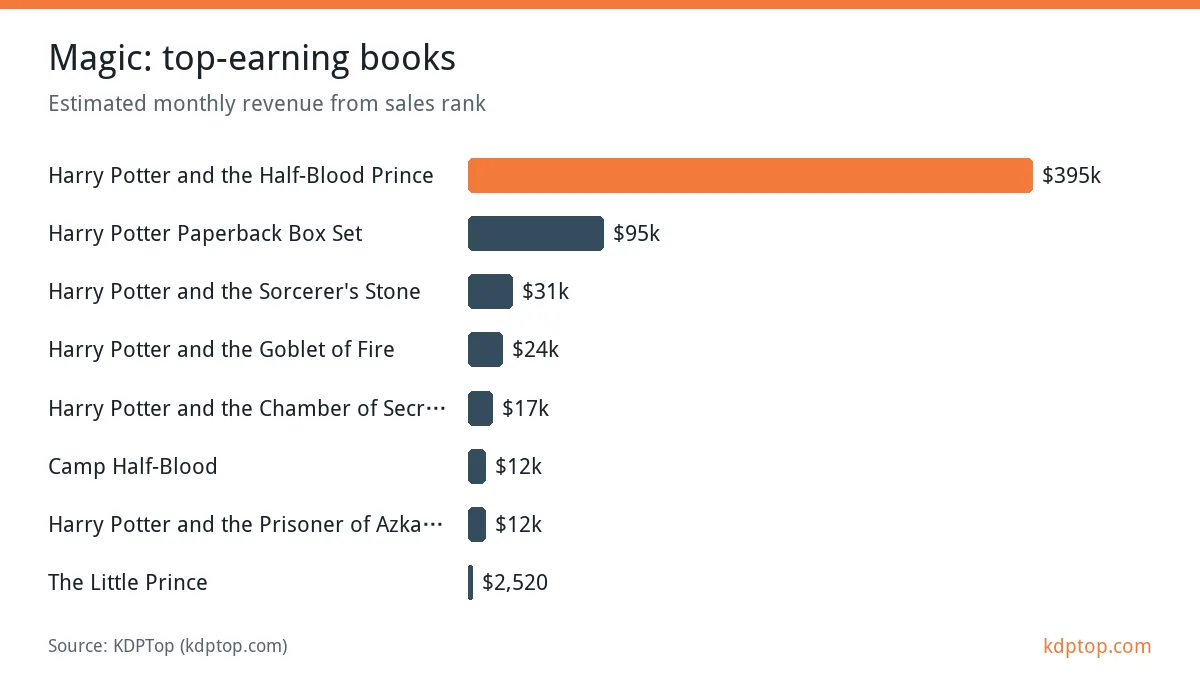
Harry Potter captures most of the estimated Magic revenue
Show the data
| Book | Est. monthly revenue |
|---|---|
| Harry Potter and the Half-Blood Prince | $395k |
| Harry Potter Paperback Box Set | $95k |
| Harry Potter and the Sorcerer's Stone | $31k |
| Harry Potter and the Goblet of Fire | $24k |
| Harry Potter and the Chamber of Secre… | $17k |
| Camp Half-Blood | $12k |
| Harry Potter and the Prisoner of Azka… | $12k |
| The Little Prince | $2,520 |
Harry Potter and the Half-Blood Prince: The Illustrated Edition generates an estimated $394,590 per month, more than four times the estimated $94,716 from Harry Potter Paperback Box Set (Books 1-7). The illustrated edition is ranked first with a Best Sellers Rank (BSR) of 116. Lower BSR numbers indicate stronger sales performance.
The illustrated edition costs $43.99 and has 444 reviews. Its estimated monthly unit sales are 8,970. That combination is worth examining: the book commands a premium price while maintaining a very strong rank. Its publication date is October 6, 2026, making it a recent entry in the category's current list.
The other leading Harry Potter editions also produce substantial estimated revenue. Harry Potter and the Sorcerer's Stone (MinaLima Edition) generates $30,966 per month at $19.85. Harry Potter and the Goblet of Fire (Interactive Illustrated Edition) generates $23,571 at $29.10. Harry Potter and the Chamber of Secrets (MinaLima Edition) generates $16,697 at $23.19.
The concentration becomes clearer when looking at the entire Top 100. The top 10 books account for 93% of estimated monthly category revenue. That leaves only 7% for the other 90 books combined. The leading illustrated edition alone generates a substantial share of the category's estimated $635,841 monthly revenue.
For a new KDP publisher, copying the visible price or format of these books is unlikely to reproduce their performance. Their established readership, recognizable characters and publisher resources are significant advantages. A more useful research exercise is to examine the smaller titles below the leading franchise and identify which reader needs remain underserved.
The estimates are modelled from BSR, not reported sales from Amazon. They provide a way to compare listings and understand the scale of the category, but they should not be treated as verified monthly orders or publisher income.
New entries and turnover show a category that moves slowly
Thirteen books entered the Magic Top 100 since the previous list, producing turnover of 13%. The new-release share is 36%, meaning more than a third of the current list consists of relatively recent releases. Those figures show that the category has some movement, even though established publishers dominate the rankings.
Turnover measures how much of the current Top 100 has changed since the previous list. At 13%, the category has a relatively stable group of Best Sellers. A new publisher should not expect a single launch to push an established title out of the rankings simply because the book is newly published.
Camp Half-Blood: From the World of Percy Jackson: The Wild Zone is one recent title worth studying. Published September 29, 2026, it has a BSR of 2,482, 285 reviews and an estimated 570 monthly units. Its price is $20.99, with estimated monthly revenue of $11,964. It ranks seventh in Magic.
The Little Prince (MinaLima Edition) provides a different comparison. Published April 7, 2026, it costs $28 and has 6,006 reviews. Its BSR is 10,668, with estimated monthly sales of 90 units and revenue of $2,520. The contrast with Camp Half-Blood shows why publication date and premium presentation alone do not explain a book's current performance.
For a publisher researching the next launch, 13 new entries are enough to justify tracking category movement over successive lists. Record which new books enter, how their BSR changes and whether they remain visible. A single snapshot cannot show whether an entrant is building momentum or experiencing a temporary sales spike.
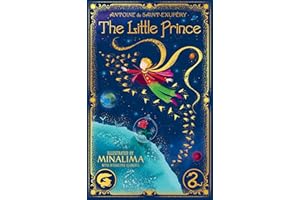
The Little Prince (MinaLima Edition): Includes 8 Pop-Off-the-Page Interactive Elements and Full-Color Illustrations
by Antoine de Saint-Exupéry
- Price$28
- Reviews6,006
- BSR#10,668
- Est. revenue/mo$2,520
- List rank#13
- Published2026-04
The new-release mix offers a better lead than the revenue total
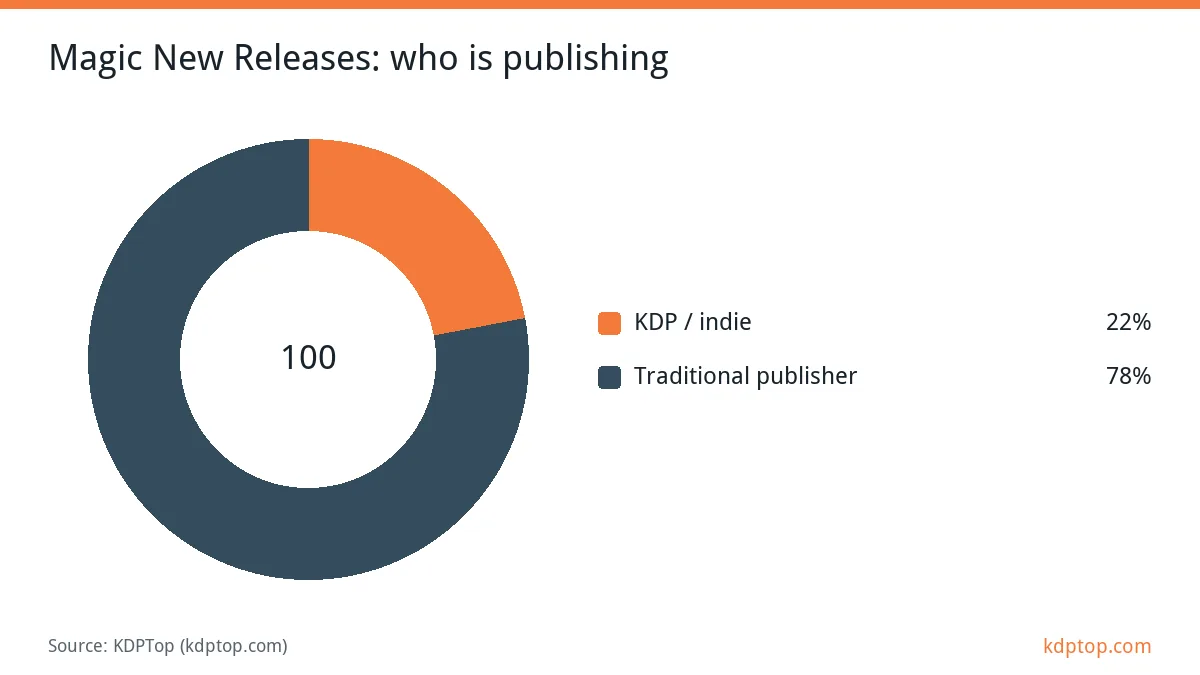
Show the data
| Publisher type | Books |
|---|---|
| KDP / indie | 22 |
| Traditional publisher | 78 |
Independent publishers account for 22% of Magic New Releases, while traditional publishers account for 78%. Compare that with the current Best Sellers, where the indie share is only 6%. The difference suggests that independent publishers are finding ways into the category's release pipeline, although relatively few currently occupy the leading positions.
This is the most useful signal for someone deciding whether to publish in Magic. There is evidence of indie participation at the new-release stage, but the established Best Sellers remain heavily controlled by traditional publishers. The 37 opportunity score reflects that competitive difficulty. A publisher should approach this category with a specific audience and product concept rather than a generic fantasy title.
The category also has a format challenge. Its visible leaders include interactive illustrated editions, boxed sets and established middle-grade series. These products have advantages in presentation and brand recognition. A small KDP operation may have a better chance with a tightly defined reader need and a format it can produce economically.
The current numbers do not identify the keywords responsible for individual sales, and they cannot tell us how much of the revenue comes from advertising, organic search or existing franchise demand. They also cannot establish the actual profitability of a book. Estimated revenue is not the same as royalties after printing, advertising and other costs.
My reading is that Magic is worth monitoring, but it would not be my first choice for a broad, untested indie launch. The 22% new-release indie share gives publishers something to investigate. The 6% Best Sellers share and 93% top-10 revenue concentration are stronger warnings. Before committing to a manuscript or print run, I would examine the independent titles already entering the category and look for a subject or reader group that the established series do not cover.
Key takeaways
- Use $11.07 as the category's median price reference, with $8.03–$17.46 covering the middle half of current Best Sellers.
- Research books with fewer than 50 reviews because 45 current Best Sellers fall below that threshold.
- Treat the 6% indie share as a warning about competition from established traditional publishers.
- Track the 22% indie share among New Releases to identify independent titles that might eventually enter the Best Sellers.
- Avoid building a revenue forecast around the category's $635,841 monthly estimate when the top 10 books capture 93% of it.
Books in this analysis
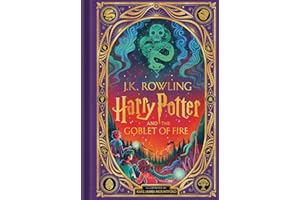
Harry Potter and the Goblet of Fire (Harry Potter, Book 4) (Interactive Illustrated Edition)
- Price$29.10
- Reviews1,509
- BSR#1,122
- Est. revenue/mo$23,571
- List rank#4
- Published2025-10

Harry Potter and the Chamber of Secrets (Harry Potter, Book 2) (MinaLima Edition) (Interactive Illustrated Edition)
- Price$23.19
- Reviews13,899
- BSR#1,262
- Est. revenue/mo$16,697
- List rank#6
- Published2021-10
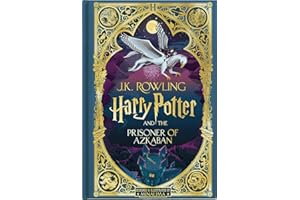
Harry Potter and the Prisoner of Azkaban (Harry Potter, Book 3) (MinaLima Edition) (Interactive Illustrated Edition)
- Price$17.96
- Reviews5,989
- BSR#1,154
- Est. revenue/mo$11,854
- List rank#5
- Published2023-10
Common questions
Is Magic a good KDP category to publish in?
Magic has an opportunity score of 37 out of 100, and independent publishers hold only 6% of the Top 100. That makes it a challenging category for a new KDP publisher, although the 22% indie share among New Releases suggests there is some activity worth researching.
How much do Magic books sell for on Amazon?
The median price is $11.07, and the middle half of the Top 100 costs between $8.03 and $17.46. The largest price group is $5–$9.99, containing 49 books.
How many reviews do Magic Best Sellers need?
The median review count is 108, but 45 books have fewer than 50 reviews. Sixteen have no reviews at all, showing that high review counts are not a requirement for every book currently appearing on the list.
How much revenue does the Amazon Magic category generate?
KDPTop estimates $635,841 in monthly revenue across the Top 100 Magic Best Sellers. The top 10 account for 93% of that estimate, and Harry Potter and the Half-Blood Prince: The Illustrated Edition alone accounts for an estimated $394,590. These figures are modelled from BSR rather than reported by Amazon.
How we got these numbers
Data comes from KDPTop's continuous crawl of Amazon Best Sellers, New Releases, Movers & Shakers and book pages, plus each book's sales-rank history. Monthly units and revenue are estimated from sales rank (BSR); a single book can be off by ±30%, so use them to compare books, not as exact income. About our data
Explore KDPTop
- Studio: make the bookTurn the niche into a coloring or puzzle book ready for KDP, cover included
- Free category finderDescribe your book and get the KDP categories to pick
- Chrome extensionSee estimated sales and BSR right on Amazon
- User guideHow to read decision cards, scores and sales estimates
- PricingWhat the free plan covers and what paid plans add
Related analysis
-
Science Studies: 70 New Books Broke Into Best Sellers
Science Studies recorded 70 new Best Sellers in 7 days. See which subjects, prices, review counts and publishing approaches gave new KDP books an edge.
-
Amazon Reference Best Sellers: A $208K Category With Little Indie Room
Amazon's Reference category generates an estimated $208,813 monthly across 100 best sellers. Indie books hold just 10% of the list, with a 33 opportunity score.
-
Amazon Chemical Best Sellers: Prices, Publishers and Opportunity
Chemical has 100 Amazon Best Sellers, a $29.97 median price and 24% indie share. See review barriers, top earners, publisher turnover and KDP opportunities.